3 min read
Homocysteine: Role, Complexity, Analyses, Standards, Diet, Modulators, and Risk Factors


1 photo
870
Smart Voice
AI
0:00
0:00
Listen to the article content live
Table of Contents 6
Known as the cholesterol of the 21st century, it can kill in childhood by causing an incredibly early atherosclerosis. However, that is not the end of its negative consequences. Learn more about homocysteine.
01 / 06
The role and harmfulness of homocysteine
It is an endogenous amino acid produced in virtually every cell. Unfortunately, a number of studies have shown that this amino acid in excess of homocysteine is also capable of protein depletion in the human body. It is produced from methionine supplied in food (meat and its metabolites) and is converted into cysteine. Basically, it is a kind of metabolic compound that occurs in almost every cell in the body. However, numerous studies have demonstrated that this excess amino acid is also able to deplete protein in humans.
02 / 06
Quantitative homocysteine assessment with methionine challenge testing – metabolic disorder screening and atherosclerotic risk evaluation
Homocysteine concentration is measured in the patient’s blood serum under fasting conditions, serving as a primary screening tool. To identify latent hyperhomocysteinemia—a condition characterized by elevated metabolite levels only following metabolic provocation—a specialized methionine challenge test must be performed. Heterozygous individuals with a genetic predisposition to atherosclerotic development exhibit an abnormal response to this test. Their genetic profile includes one functionally normal allele and one mutated allele in a gene encoding an enzyme involved in the methionine–cysteine conversion cycle, resulting in disrupted sulfur amino acid metabolism. Preparation for the test requires a 48-hour restriction of methionine-rich foods, primarily meat and meat products. The diagnostic procedure consists of two phases: an initial fasting blood draw, followed by oral administration of a methionine dose calculated individually at 100 milligrams per kilogram of the patient’s body weight. A subsequent homocysteine measurement is taken six hours post-challenge. The congenital form of hyperhomocysteinemia, observed in recessive homozygotes, is detectable even in the baseline fasting test and presents with severe clinical manifestations, including skeletal abnormalities, visual impairments, psychomotor developmental delays, and accelerated atherosclerosis progression, which often leads to premature mortality.
03 / 06
Blood homocysteine reference levels: guidelines and modifying factors
Current clinical guidelines designate a fasting blood homocysteine concentration below 10 micromoles per liter (µmol/l) as the optimal threshold for minimizing adverse health outcomes, particularly those affecting vascular integrity. While conventional laboratory reference ranges often extend to 15 µmol/l, a substantial body of epidemiological and mechanistic research demonstrates that even concentrations below this cutoff may exert deleterious effects on endothelial function, thereby contributing to the pathogenesis of cardiovascular disorders. Leading authorities in laboratory medicine and cardiology advocate for the establishment of population-specific reference intervals that account for multifaceted variables, including but not limited to: biological sex, chronological age, physiological states (with particular emphasis on pregnancy), dietary patterns (notably intake of folate, B-vitamin complexes, and methionine-rich proteins), physical activity levels, pre-existing medical conditions (e.g, atherosclerosis, type 2 diabetes, hypertension), and ethnogenetic backgrounds. It is critical to note that while analytical methodologies—such as high-performance liquid chromatography (HPLC) or enzyme-linked immunosorbent assays (ELISA)—may vary, the clinical interpretation of results should remain consistent provided that the assay has undergone rigorous standardization and validation in accordance with internationally recognized protocols.
04 / 06
Elevated homocysteine concentrations: Primary risk determinants and predisposing factors in the development of hyperhomocysteinemia
The pathological elevation of homocysteine in blood plasma arises from the interplay of multiple intricate factors, which may be categorized as follows:
**Genetic and congenital determinants** – primary enzymatic deficiencies (e.g, *MTHFR* gene mutations) that disrupt homocysteine metabolism, leading to its excessive physiological accumulation;
**Physiological predispositions** – male sex (inherently higher baseline levels), advanced age, and the postmenopausal state in women (hormonal shifts affecting metabolic pathways);
**Dietary deficiencies** – chronic insufficiency of B-complex vitamins (notably **vitamin B6 (pyridoxine)**, **folic acid (vitamin B9)**, and **vitamin B12 (cobalamin)**), which serve as critical cofactors in homocysteine conversion;
**Lifestyle-related influences** – nicotine dependence (tobacco smoking), alcohol abuse, and excessive caffeine intake (due to interference with vitamin and enzyme metabolism);
**Disease states and pharmacological interventions** –
- **Malignant neoplasms** (associated with malnutrition and secondary vitamin deficiencies), particularly during **methotrexate therapy** (a folic acid antagonist);
- **Diabetes mellitus** (treatment with **metformin**, which may impair vitamin B12 absorption);
- **Renal failure** (impaired homocysteine clearance and vitamin losses during hemodialysis);
- **Hepatic dysfunction** (reduced synthesis of metabolic enzymes, e.g, *cystathionine β-synthase*);
- **Epilepsy** (use of **phenytoin**, which induces vitamin deficiencies);
- **Thyroid disorders**, especially **hypothyroidism** (diminished activity of enzymes involved in the methionine-homocysteine cycle).
05 / 06
Homocysteine metabolism regulators: Essential B-complex vitamins in remethylation and transsulfuration pathways
The term "homocysteine modulators" refers to a group of B-complex vitamins that actively participate in its metabolic transformations through two primary pathways: **remethylation** and **transsulfuration**. Among these, **folacine** (commonly known as **folic acid**) plays the most critical role by facilitating the conversion of homocysteine back into methionine—a process governed by remethylation, wherein folic acid serves as a **quantitative methyl group donor**, enabling the synthesis of an essential co-substrate. Equally significant is the involvement of **vitamin B12**, which functions as a coenzyme for **methionine synthase**, the enzyme catalyzing this conversion. Notably, vitamin B12 deficiency is rare due to the body’s capacity to store it in hepatic tissue—reserves that, even in the absence of supplementation, may last for **five to ten years**. Conversely, **vitamin B6** engages in the alternative metabolic route, assisting the conversion of homocysteine into cysteine via the transsulfuration reaction, where it acts as an **enzymatic cofactor**. Clinical research has demonstrated that combined supplementation (folic acid + vitamin B12 + vitamin B6) yields effects comparable to folic acid monotherapy, reinforcing its **pivotal role** in homocysteine metabolism regulation. Below is a **schematic diagram** (original compilation) illustrating the intricacies of these metabolic pathways and the respective contributions of each modulator within the homocysteine cycle.
06 / 06
Nutritional management of elevated homocysteine levels – essential dietary sources and evidence-based guidelines
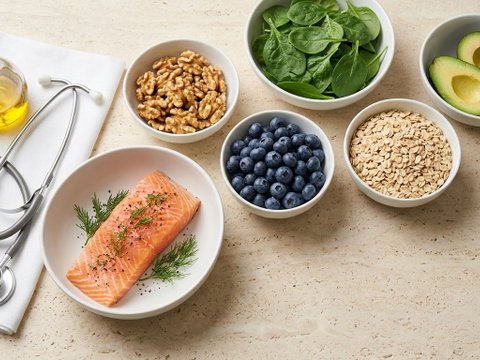
The identification of hyperhomocysteinemia necessitates a multifaceted dietary approach that extends beyond supplementation to include deliberate selection of nutrient-dense foods capable of modulating homocysteine metabolism. Central to this strategy is ensuring adequate intake of the coenzymes critical to homocysteine conversion—namely vitamins B6, B12, and folate (B9)—all of which exhibit varying degrees of thermolability and photosensitivity, rendering them susceptible to significant degradation during food storage and culinary processing. Furthermore, in individuals with genetically determined enzymatic deficiencies affecting homocysteine pathways, a prudent reduction in methionine-rich foods—primarily meat and meat derivatives—may be warranted, provided that serum vitamin B12 levels are consistently monitored and any deficiencies are promptly corrected via supplementation. While public health discourse continues to emphasize cholesterol as the predominant determinant of atherosclerotic risk, homocysteine represents an equally hazardous—yet frequently overlooked—biomarker whose clinical relevance in cardiovascular disease prevention merits greater recognition and proactive management.
Meal Plan
Want to apply these guidelines in your daily diet?
Our smart diet generator creates a tailored meal plan in 3 minutes based on the recommendations in this article.
Tags

Scientifically reviewed by a clinical dietitian
• 23.10.2026
Literatura: Bednarek-Tupikowska G., Tupikowski K. (2004): Homocysteina- niedoceniany czynnik ryzyka miażdżycy. Czy hormony płciowe wpływają na stężenie homocysteiny? Postepy Hig Med Dosw. (online). 58: 381-389. Jewsiewicka A., Korzeniowska K., Jabłecka A. (2011): Ocena stężenia homocysteiny u chorych z niewydolnością serca. Farmacja Współczesna. 4: 48-58 Łubińska M., Kazimierska E., Sworczak K. (2006): Hyperhomocysteinemia as a New Risk Factor for Different Diseases. Hiperhomocyteinemia jako nowy czynnik ryzyka wielu chorób. Adv Clin Exp Med. 15, 5: 897–903. Maluśkiewicz E., Korzeniowska K., Jabłecka A. (2009): Ocena stężenia homocysteiny u chorych ze świeżo zdiagnozowanym pierwotnym nadciśnieniem tętniczym. Farmacja Współczesna. 2: 128-134. Marszałł M. (2007): Ekspozycja na dym tytoniowy a poziom homocysteiny i jej kofaktorów we krwi i moczu u osób palących i niepalących. Rozprawa na stopień doktora nauk farmaceutycznych. Academia Medica Gedanensis Facultas Pharmaceutica. Gdańsk Wichlińska-Lipka M., Nyka W.M. (2008): Rola homocysteiny w patogenezie chorób układu nerwowego. Forum Medycyny Rodzinnej. 2, 4: 292–297.
Diets Premium Expert
Diets Premium team expert. Specializes in nutrition plans, strength sports, and training plans.
USDA FoodData Central
EFSA
PubMed Clinical Guidelines