Fat-soluble vitamins (A, D, E, K) – properties, sources, and role in the body


Table of Contents 4
Medical & Editorial Disclaimer (§3 Terms): This article is for informational and educational purposes only, does not constitute medical advice, diagnosis, or treatment, and is used at your own risk. Consult a qualified physician for medical conditions.
Across various chapters, these micronutrients are shown to orchestrate discrete biological processes, ranging from visual adaptation and skeletal integrity to cellular protection against oxidative stress. However, protractor adherence to severe low-fat diets significantly compromises the uptake of these lipophilic compounds, as they require dietary fats, bile acids, and pancreatic enzymes to form mixed micelles for systemic transport. Clinical malabsorption conditions can further impair this delicate pathway.
Practical guidance involves combining healthy plant oils, seeds, nuts, and oily fish with colorful vegetables to maximize nutrient bioavailability. Because fat-soluble vitamins accumulate within bodily tissues, avoiding excessive exogenous intake is crucial for safe wellness routines. Embracing a diverse, whole-food approach supports long-term health objectives without relying on extreme dietary restrictions.
This article is professional premium content (PRO) provided in its entirety.
Fat-soluble vitamins—A, D, E, and K—form a distinct class of micronutrients whose gastrointestinal absorption depends fundamentally on dietary lipids. They can be stored in the liver and adipose reserves, buffering against acute shortages while necessitating caution with supplementation.
Characteristics of ADEK vitamins and absorption mechanisms
Unlike water-soluble micronutrients, vitamins A, D, E, and K are distinctly hydrophobic (lipophilic). Efficient digestion and mucosal absorption in the small intestine require bile acids secreted by the liver and pancreatic lipase enzymes.
These vitamins are incorporated into mixed lipid micelles, absorbed across enterocytes, and packaged into chylomicrons for lymphatic transport into the systemic circulation. Hepatic and adipose storage capacity allows tissue levels to be maintained during transient dietary shortfalls.
Individual functions: vision, bone health, antioxidant defense, and coagulation
Each member of the ADEK group orchestrates discrete physiological processes. Vitamin A (retinol and provitamin beta-carotene) is vital for retinal rhodopsin synthesis, dark adaptation, and epithelial differentiation. Vitamin D stimulates active intestinal absorption of calcium and phosphate, ensuring skeletal integrity and immune competence.
Vitamin E (tocopherols) acts as a premier lipid-soluble antioxidant, protecting membrane polyunsaturated fatty acids from peroxidative damage. Vitamin K (K1 phylloquinone and K2 menaquinone) mediates post-translational gamma-carboxylation of clotting factors (prothrombin) and activates osteocalcin for bone mineralization.
Pitfalls of ultra-low-fat diets and malabsorption factors
Protracted adherence to severe low-fat or fat-free weight loss diets severely compromises fat-soluble vitamin uptake, regardless of dietary presence. Consuming a raw carrot salad without added fat (such as extra virgin olive oil) yields only a minuscule fraction of its potential beta-carotene bioavailability.
Malabsorption syndromes also arise in clinical conditions: celiac disease, Crohn's disease, cystic fibrosis, exocrine pancreatic insufficiency, and post-cholecystectomy bile alterations. Affected patients require careful clinical oversight and targeted nutritional strategies.
Top dietary sources and guidelines for safe supplementation
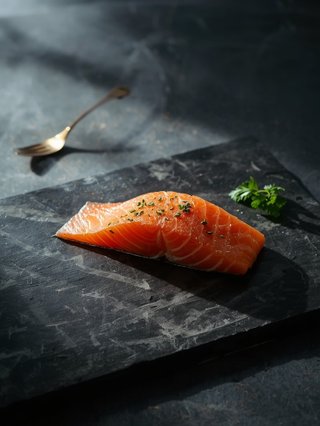
Premier sources of vitamin A include organ meats, egg yolks, butter, and orange/dark green produce (as carotenoids). Vitamin D is obtained via cutaneous UVB photobiogenesis and oily ocean fish (salmon, herring, mackerel); vitamin E from cold-pressed seed oils, almonds, and sunflower seeds; and vitamin K from leafy greens and fermented foods (especially natto).
Because fat-soluble vitamins accumulate tissue-wide, excessive exogenous intake of vitamins A and D risks toxic hypervitaminosis. Vitamin D supplementation should therefore be tailored based on serum 25(OH)D testing, and lipid-soluble supplements must always be ingested alongside fat-containing meals.
Want to apply these guidelines in your daily diet?
Our smart diet generator creates a tailored meal plan in 3 minutes based on the recommendations in this article.

Alicja Kowalska
• 25.11.2026Diets Premium Expert
Diets Premium team expert. Specializes in nutrition plans, strength sports, and training plans.