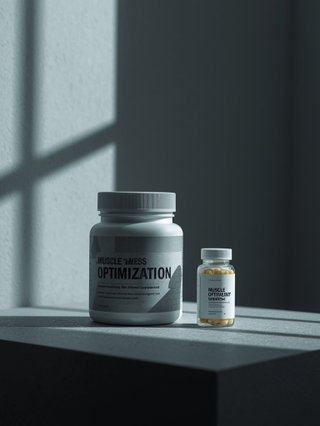
Muscle Growth Stimulator - Gainer Supplement: How to Build Mass Smartly


Table of Contents 4
Medical & Editorial Disclaimer (§3 Terms): This article is for informational and educational purposes only, does not constitute medical advice, diagnosis, or treatment, and is used at your own risk. Consult a qualified physician for medical conditions.
Unlike standard whey protein concentrate, which delivers mostly protein with minimal carbohydrates, a gainer is engineered primarily as an energy matrix featuring a dominant carbohydrate profile paired with a moderate proportion of protein. This specific ratio is designed to replenish depleted muscle glycogen reserves and support post-exercise anabolism. Classic hardgainers with ectomorphic physiques and high-volume athletes benefit most from this concentrated energy supply, whereas endomorphic individuals prone to visceral fat storage need to approach such supplements with caution. Furthermore, ingredient quality dictates the metabolic response: cheap blends relying on dextrose or glucose syrups trigger sharp insulin spikes, while superior formulations utilize ground oats, waxy maize starch, or isomaltulose alongside high-grade whey protein concentrate.
To integrate a weight gainer smartly into a daily regimen, consumers should prioritize products built on complex carbohydrate foundations rather than simple sugars. The most effective timing for consumption is immediately following resistance training to aid recovery, or between regular meals as a convenient calorie booster. Every serving mixed with water or milk should be carefully accounted for within overall daily macronutrient targets to complement a balanced whole-food diet.
Weight gainer supplements are carbohydrate-protein blends engineered for individuals struggling to achieve positive energy balances and build lean tissue from solid whole foods alone. Learn the underlying physiology of gainers, how to select premium formulations, and how to calibrate dosage effectively.
What is a Gainer and How Does It Differ from Pure Whey Protein?
While standard whey protein concentrate (WPC) comprises 75-80% protein with minimal carbohydrates, a gainer is an energy blend typically containing 65-80% carbohydrates and 15-30% protein. Gainers function as convenient, calorically dense liquid meal supplements delivering 350-700 kcal per serving.
Who Needs a Weight Gainer? Somatotypes and Energy Expenditure
Gainers excel for classic hardgainers (ectomorphic physiques with rapid basal metabolic rates and small appetites) and high-volume athletes requiring 3500-4500+ kcal daily. Conversely, individuals prone to rapid visceral fat accumulation (endomorphs) should use them cautiously.
Ingredients Matter: Complex Carbohydrates vs Cheap Simple Sugars
When choosing a gainer, avoid formulations relying solely on dextrose or glucose syrups, which provoke insulin spikes and unwanted adiposity. Seek products based on ground oats, waxy maize starch, or isomaltulose paired with high-grade whey protein concentrate.
Dosage Protocols and Optimal Nutrient Timing
The optimal window to consume a gainer is immediately following resistance training to rapidly replenish depleted muscle glycogen and stimulate anabolism, or between meals as a calorie booster. The serving (typically 70-100 g powder mixed with water or milk) must be calculated into your total daily macro targets.
Want to apply these guidelines in your daily diet?
Our smart diet generator creates a tailored meal plan in 3 minutes based on the recommendations in this article.
Tags

Kacper Nowak
Diets Premium Expert
Diets Premium team expert. Specializes in nutrition plans, strength sports, and training plans.