Culinary routine – how to diversify daily meals from your pantry without extra purchases
Table of Contents 3
Medical & Editorial Disclaimer (§3 Terms): This article is for informational and educational purposes only, does not constitute medical advice, diagnosis, or treatment, and is used at your own risk. Consult a qualified physician for medical conditions.
The insights explore evidence-based culinary improvisation, highlighting how pairing dry legumes with whole grains achieves a complete amino acid profile comparable to animal protein sources. Furthermore, the text covers prebiotic fiber benefits, spice architectures that enhance bioactive compound availability, and zero-waste techniques like utilizing vegetable scraps for nutrient-rich stocks, all contributing to physiological well-being and reduced inflammation.
For daily implementation, the guide encourages keeping a robust stock of shelf-stable essentials such as lentils, beans, and grains that can easily be transformed into wholesome one-pot dishes or spreads. By creatively experimenting with global spice combinations and adopting sustainable cooking habits, readers can effortlessly maintain a diverse, health-supporting diet while minimizing household food waste.
Dietary monotony frequently undermines adherence to healthy eating habits, predisposing individuals to ultra-processed convenience foods. However, culinary variety does not necessitate constant, expensive grocery trips; it relies on the strategic orchestration of nutrient-dense pantry staples. This practical guide presents evidence-based meal improvisation techniques: combining dry legumes and whole grains, mastering global spice architecture, and optimizing micronutrient density while minimizing food waste.
Pantry Architecture: Legumes, Whole Grains, and Seeds as Nutritional Foundations
Shelf-stable dry staples constitute the ideal nutritional architecture for fast, wholesome meals:
- Complementary Protein Pairing: Legumes (lentils, chickpeas, black beans) are rich in lysine but limited in sulfur-containing methionine. Conversely, whole grains (buckwheat, brown rice, oats) supply methionine while having lower lysine content. Consuming them together forms a complete amino acid score comparable to animal protein.
- Prebiotic Fiber Architecture: Whole grains and pulses deliver resistant starch and beta-glucans, which colonic microbiota ferment into protective short-chain fatty acids (SCFAs, especially butyrate).
- Oilseeds for Texture and Micronutrients: Toasted pumpkin, sunflower, sesame, and flax seeds enrich soups and grain bowls with bioactive zinc, magnesium, and anti-inflammatory alpha-linolenic acid (ALA).
Spice Architecture: Transforming Flavor Profiles Without Excessive Sodium
Herbal and spice chemistry completely transforms identical baseline ingredients across culinary traditions:
- Mediterranean Palette: Oregano, rosemary, basil, and garlic imbue pulses and root vegetables with bioactive rosmarinic acid and carvacrol, enhancing lipid stability.
- Indian Curry Complex: Ground cumin, turmeric (paired with piperine from black pepper to boost curcumin bioavailability by 2,000%), coriander, ginger, and cinnamon convert standard lentils into warming, anti-inflammatory dahls.
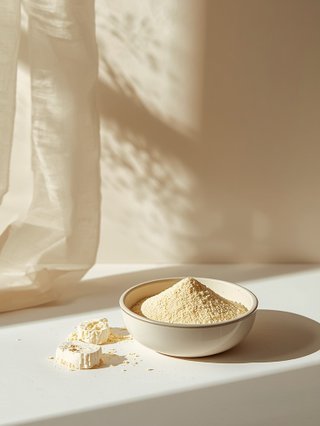
- Umami and Smoked Depths: Smoked paprika, sun-dried tomato powder, and nutritional yeast flakes impart savory umami sensations without sodium glutamate additives or processed meats.
Zero-Waste Cooking: Vegetable Stocks, Sandwich Spreads, and One-Pot Bakes
Zero-waste culinary techniques prevent household food waste while optimizing micronutrient recovery:
- Whole-Food Spreads: Blending cooked chickpeas, beans, or roasted root scraps with lemon juice, tahini or olive oil, and herbs yields high-protein dips superior to commercial spreads.
- Freezer Vegetable Scrap Broths: Clean peelings and ends of carrots, leeks, onions, and celeriac stored in freezer bags can be simmered into deeply restorative vegetable stocks.
- One-Pot Casseroles: Repurposing leftover cooked grains and steamed legumes with tomato passata and herb crusts creates hearty, fiber-rich evening meals.
Want to apply these guidelines in your daily diet?
Our smart diet generator creates a tailored meal plan in 3 minutes based on the recommendations in this article.
Tags

Anna Schmidt
• 25.11.2026Diets Premium Expert
Diets Premium team expert. Specializes in nutrition plans, strength sports, and training plans.