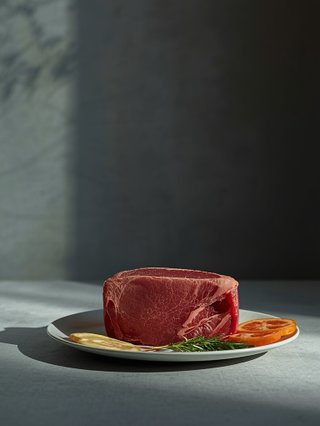
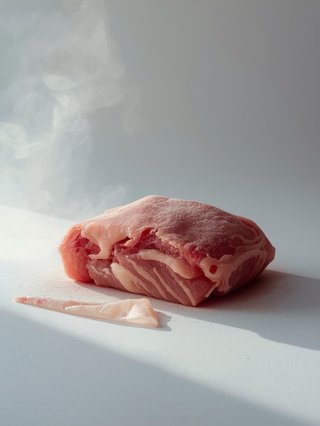
Laboratory-grown meat: production process, potential risks, and benefits for consumers and the environment
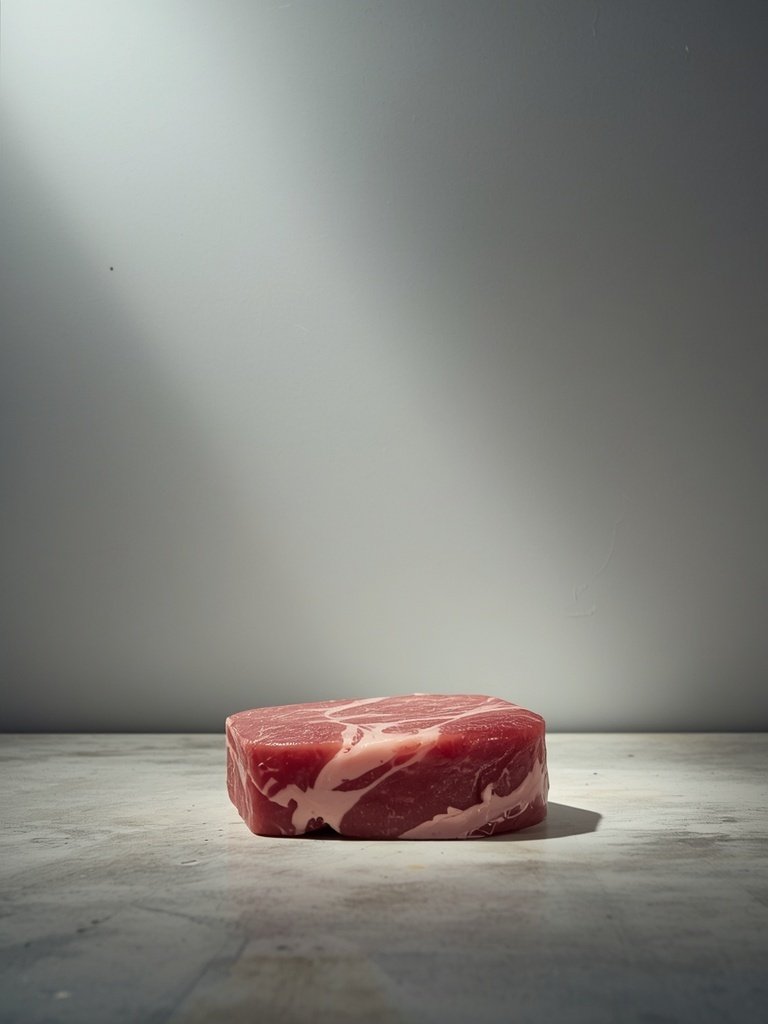
Table of Contents 4
Medical & Editorial Disclaimer (§3 Terms): This article is for informational and educational purposes only, does not constitute medical advice, diagnosis, or treatment, and is used at your own risk. Consult a qualified physician for medical conditions.
The physiological process involves harvesting stem cells, which are then cultivated in sterile bioreactors to proliferate and differentiate into muscle tissue. By replicating the natural growth mechanisms of animal cells outside a living organism, scientists can create a product that mimics the nutritional profile of conventional meat while significantly reducing the demand for land, water, and energy. This controlled manufacturing environment also enhances food safety by mitigating microbiological risks and eliminating the environmental burden associated with methane emissions and waste from traditional pastures.
For practical daily nutrition, laboratory-grown meat offers a promising path toward a more compassionate and resource-efficient lifestyle. As this technology matures, it may provide a reliable source of essential nutrients that aligns with the principles of sustainable living and global food security. Readers are encouraged to stay informed about these scientific developments, as the integration of cellular agriculture into the mainstream diet could play a crucial role in supporting environmental health and personal wellness in the coming years.
How do you make meat in a lab?
The meat from the sample has its advantages
The meat from the sample is defective
Is this meat from the test tube an alternative to regular meat breeding?
Want to apply these guidelines in your daily diet?
Our smart diet generator creates a tailored meal plan in 3 minutes based on the recommendations in this article.

Literatura: Wykład dr Iwony Grabowskiej z Wydziału biologii Uniwersytetu Warszawskiego (Instytut Zoologii, Zakład Cytologii) XIX Festiwal Nauki w Warszawie, 22.09.2015 r. https://www.youtube.com/watch?v=sBZz8eUeUoE PRODUCTION OF ANIMAL PROTEINS BY CELL SYSTEMS DESK STUDY ON CULTURED MEAT (“KWEEKVLEES”). H.P. HAAGSMAN, K.J. HELLINGWERF, B.A.J. ROELEN. October 2009, Faculty of Veterinary Medicine http://www.uu.nl Utrecht. http://new-harvest.org/data/2013/03/production_of_animal_proteins_1207.pdf
Diets Premium Expert
Diets Premium team expert. Specializes in nutrition plans, strength sports, and training plans.