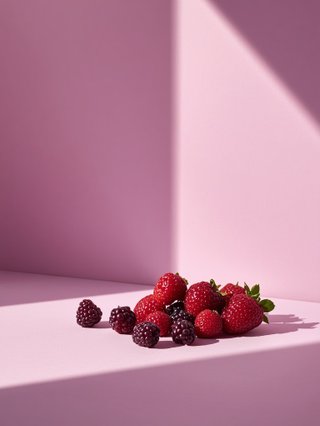
Blackcurrant (black berry) – health benefits of fruits and leaves and use in phytotherapy
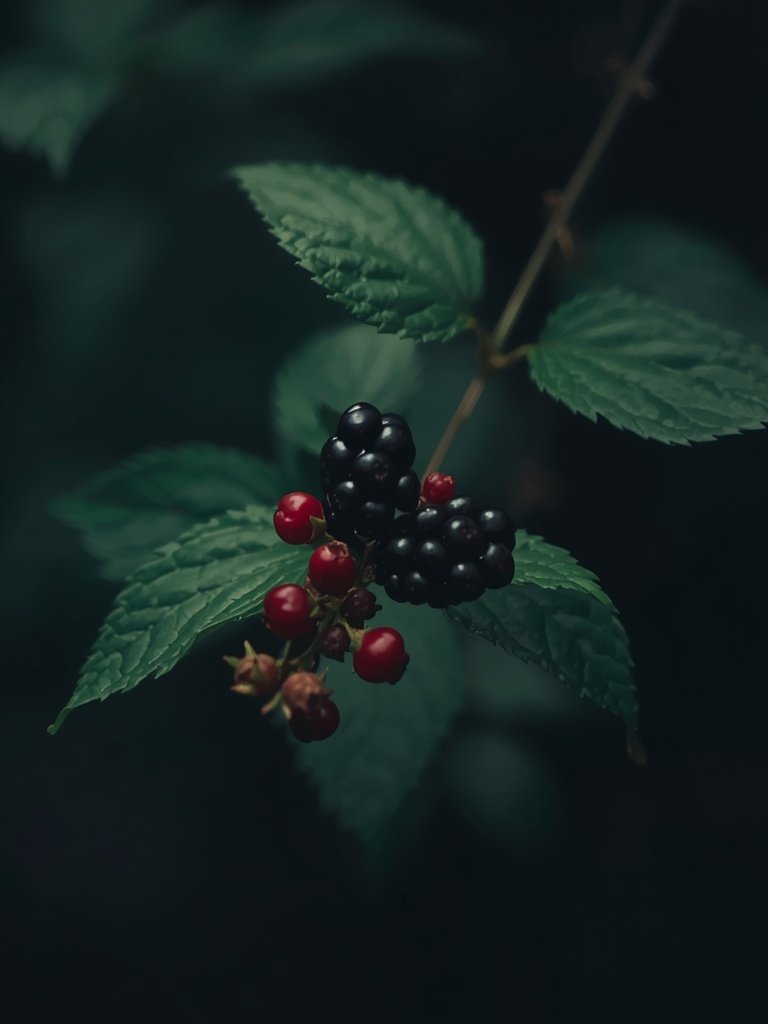
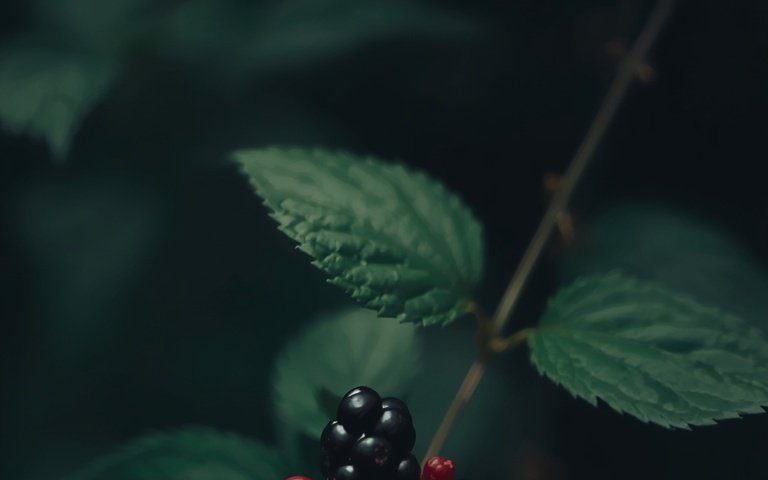
Table of Contents 4
Medical & Editorial Disclaimer (§3 Terms): This article is for informational and educational purposes only, does not constitute medical advice, diagnosis, or treatment, and is used at your own risk. Consult a qualified physician for medical conditions.
At the heart of the bilberry’s efficacy is its high concentration of anthocyanins, which reinforce capillary walls and modulate vascular permeability. These compounds are particularly vital for eye health, as they facilitate the enzymatic regeneration of visual purple, aiding in night vision and easing the strain caused by digital devices. Furthermore, the leaves contain unique substances like arbutin and chlorogenic acid, which provide antiseptic support for the urinary system and assist in maintaining healthy carbohydrate metabolism by supporting peripheral insulin function.
To maximize the health-promoting potential of bilberries, it is crucial to avoid excessive heat during preparation, as high temperatures can degrade their most potent antioxidants. Opting for fresh, frozen, or freeze-dried versions ensures the preservation of bioactive flavonoids. For optimal absorption, integrating the berries into meals containing healthy lipid sources, such as crushed seeds or nuts, is highly recommended, while leaf infusions can be utilized as a traditional supportive measure for metabolic and urological wellness.
During the summer and early autumn months, European temperate forests flourish with bilberries (Vaccinium myrtillus), commonly known as wild blueberries. Both the deeply pigmented berries and the delicately harvested leaves represent valuable phytotherapeutic raw materials, whose clinical utility in supporting metabolic health, vascular integrity, and visual function is extensively documented.
Botanical Overview and Biochemical Profile of Vaccinium myrtillus
Bilberry (Vaccinium myrtillus) is a deciduous dwarf shrub of the heath family (Ericaceae), reaching heights of 15 to 60 cm. It thrives natively throughout the acidic podzolic soils of Eurasian coniferous and mixed forests.
Its pharmacological value is concentrated in two distinct plant parts:
- Ripe Berries (Fructus Myrtilli) – exceptional reservoirs of monomeric anthocyanins (including delphinidin, cyanidin, malvidin, and petunidin glucosides), alongside condensed tannins, ascorbic acid, resveratrol, and pectin fibers;
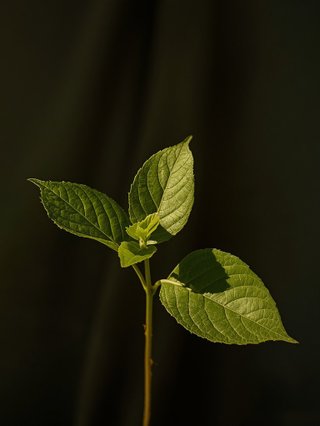
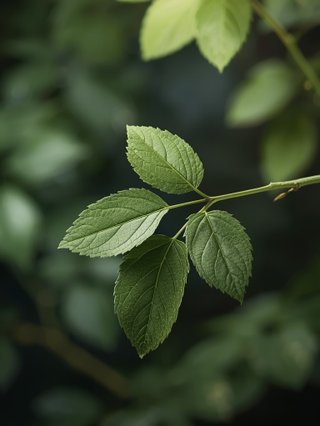
- Leaves (Folium Myrtilli) – densely supplied with phenolic acids (chlorogenic, caffeic), flavonoids (quercetin, isoquercitrin), catechin tannins, and trace minerals like chromium and manganese.
Bilberry Leaf – Urological Phytotherapy and Glycemic Support
While the dark berries capture consumer attention, bilberry foliage possesses potent pharmacological properties, particularly in urological antisepsis and carbohydrate metabolism.
Owing to arbutin and astringent tannins, foliar decoctions exert antibacterial and anti-inflammatory actions on the urinary tract. Concurrently, the synergy of chlorogenic acid and trace chromium aids peripheral insulin sensitivity, rendering bilberry leaf infusions a traditional adjunct for impaired fasting glucose and prediabetes. They should be cycled responsibly without substituting prescribed endocrinological therapies.
Bilberry Fruit – Anthocyanins, Microcirculation, and Ophthalmic Protection
Bilberry fruit is universally celebrated as a flagship functional food. Its concentrated anthocyanin complex underpins significant microvascular and ocular benefits:
- Endothelial integrity – anthocyanins stabilize capillary basement membranes and downregulate vascular permeability, curtailing capillary fragility;
- Night vision adaptation – bilberry metabolites stimulate the enzymatic resynthesis of rhodopsin (retinal visual purple), enhancing scotopic vision acuity;
- Digital eye strain mitigation – standardized extracts alleviate asthenopia and ocular fatigue induced by prolonged display exposure;
- Neuroprotective shielding – polyphenol antioxidants defend retinal ganglion cells and cerebral neurons against oxidative degradation.
Culinary Uses, Processing Optimization, and Safe Consumption
Preserving the therapeutic potency of bilberries requires gentle handling. Excessive thermal processing, such as prolonged boiling for commercial jams, degrades 40% to 60% of heat-sensitive anthocyanins.
The optimal preservation techniques are flash freezing and freeze-drying (lyophilization), retaining over 90% of native bioflavonoids. Incorporating fresh or thawed berries into smoothies alongside healthy lipid matrices (such as crushed flaxseed or walnuts) optimizes nutrient absorption. During off-season periods, clinically standardized pharmaceutical extracts standardized to 25% anthocyanosides offer reliable bioactivity.
Want to apply these guidelines in your daily diet?
Our smart diet generator creates a tailored meal plan in 3 minutes based on the recommendations in this article.
Tags

Alicja Kowalska
• 25.11.2026Diets Premium Expert
Diets Premium team expert. Specializes in nutrition plans, strength sports, and training plans.