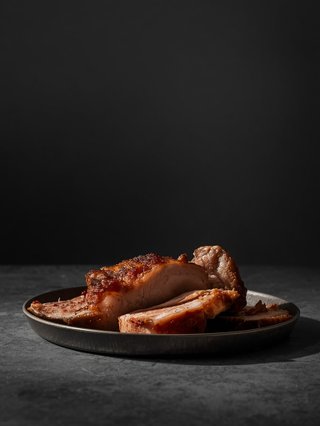
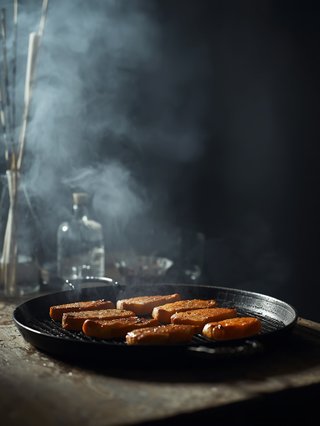
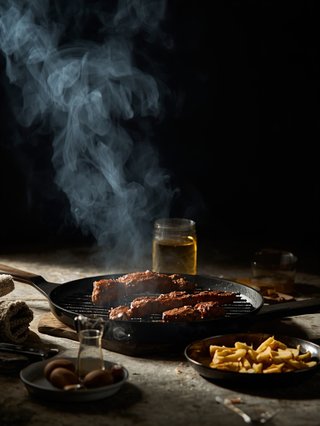
Previously undisclosed aspects of healthy grilling of meat: a scientific approach to safe and nutritious thermal culinary processing


Table of Contents 5
Medical & Editorial Disclaimer (§3 Terms): This article is for informational and educational purposes only, does not constitute medical advice, diagnosis, or treatment, and is used at your own risk. Consult a qualified physician for medical conditions.
The core mechanisms involve high-temperature reactions that generate harmful chemical compounds on the surface of muscle meats when exposed to direct flames. Modern food science demonstrates that careful ingredient selection, avoiding cured meats, and utilizing rich antioxidant marinades can profoundly inhibit these undesirable reactions. Plant-derived compounds from fresh herbs, garlic, and natural extracts act as powerful shields that intercept reactive molecules during the cooking process.
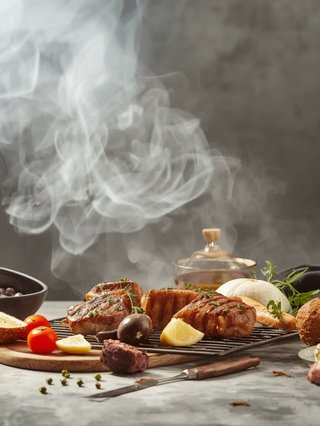
Practical implementation involves mastering indirect heating techniques, utilizing stainless steel or cast-iron drip pans, and preventing fat from reaching the embers. Pairing grilled proteins with a vibrant selection of fresh vegetables, crisp salads, and fermented foods creates a balanced meal that supports overall digestion and systemic well-being. By following these evidence-based guidelines, barbecue enthusiasts can achieve a perfect harmony between gourmet flavor and nutritional safety.
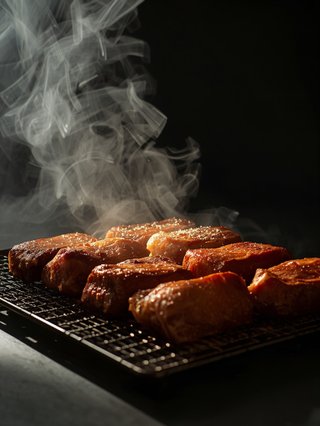
The barbecue season is an enduring cultural staple of warm-weather gatherings, yet conventional open-flame charcoal grilling harbors profound, well-documented oncological risks. Exposing muscle meats to extreme pyrolytic temperatures and allowing fat drippings to ignite over white-hot embers generates potent genotoxic carcinogens: Heterocyclic Amines (HCAs) and Polycyclic Aromatic Hydrocarbons (PAHs, notably benzo[a]pyrene). Fortunately, modern nutritional science and food chemistry illuminate evidence-based culinary interventions capable of slashing carcinogen formation by 90% to 99%, transforming barbecue into a nutritionally sound, safe, and gourmet culinary technique.
The Chemistry of Pyrolysis: Formation of Carcinogenic HCAs and PAHs
Deciphering grilling hazards requires understanding two distinct biochemical pathways:
1. Heterocyclic Aromatic Amines (HCAs): Form directly within the surface crust of muscle meat when temperatures exceed 150–200°C via pyrolytic reactions between amino acids, muscle creatine, and reducing sugars. Prolonged exposure and charring directly amplify mutagenic HCA load.
2. Polycyclic Aromatic Hydrocarbons (PAHs, prominently benzo[a]pyrene): Generated when liquefied animal fat drips directly onto incandescent charcoal embers. Incomplete combustion at temperatures exceeding 700°C produces toxic hydrocarbon smoke that rises and deposits carcinogenic PAH particles onto the meat surface.
Raw Material Selection: Lean Cuts and the Strict Prohibition of Cured Nitrite Meats
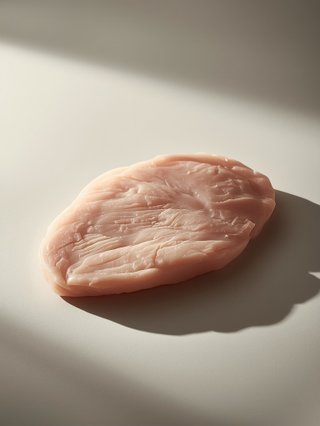
The primary prerequisite for healthy grilling begins with ingredient curation. It is paramount to enforce a strict prohibition against grilling cured meats, sausages, or bacons processed with sodium nitrite (E250). Under intense dry heat, nitrites react with secondary amines to synthesize potent carcinogenic nitrosamines. Only fresh, uncured muscle meats sourced from reputable producers should touch the grill. Prioritize lean cuts and trim visible adipose margins: skinless poultry breasts, pork tenderloin, lean grass-fed beef, and fish. Less rendered fat equates directly to fewer drippings and a drastic reduction in toxic PAH smoke generation.
Antioxidant Marinades: How Rosemary, Beer, Garlic, and Wine Slash Carcinogens by 90%
A crowning breakthrough in modern nutritional chemistry is the profound protective efficacy of polyphenol-dense marinades. Rigorous clinical trials demonstrate that marinating meats for at least 2–4 hours prior to grilling suppresses HCA formation by an astonishing 90% to 99%! Active antioxidants intercept reactive free radicals during thermal exposure. The most formidable biological shields are fresh rosemary (carnosic and rosmarinic acids), thyme, oregano, crushed garlic, dark beer (porter/stout), and dry red wine. The marinade should combine virgin olive oil, herbs, and mild organic acids (lemon juice or cider vinegar) to tenderize protein fibers.
Safe Grilling Engineering: Indirect Cooking, Stainless Steel Trays, and Heat Control
Proper grilling mechanics physically divorce food from toxic pyrolytic smoke. Rather than disposable aluminum trays (from which acidic marinades leach neurotoxic aluminum ions), culinarians should deploy reusable food-grade stainless steel grilling pans or seasoned cast-iron planchas that capture rendered fat. Master indirect grilling: arrange coals along grill perimeters while situating meat centrally beneath a domed lid, cooking via circulating convective heat without direct embers below. Grill solely over ash-covered white coals rather than open flames, and flip meat frequently using tongs to avoid surface charring and thermal hot spots.
The Wholesome Barbecue Table: Phytochemical Shields from Vegetables and Ferments
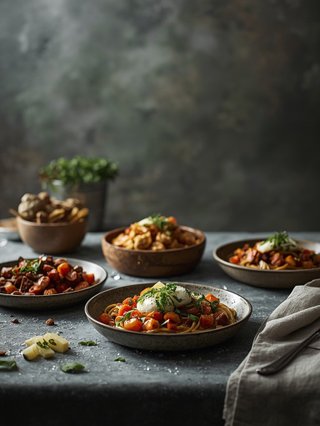
The ultimate determinant of biological safety resides in total meal architecture. Vegetables lack creatine; consequently, grilling zucchini, bell peppers, portobello mushrooms, and asparagus produces zero HCA compounds, rendering them completely safe. Furthermore, pairing grilled proteins with abundant cruciferous salads, lycopene-dense tomatoes, raw alliums, and traditional lacto-fermented pickles delivers a potent systemic phytochemical shield that neutralizes mutagenic metabolites in the digestive tract. Substituting sugary commercial sauces with fresh chimichurri or yogurt-herb dressings creates an authentically nourishing feast.
Want to apply these guidelines in your daily diet?
Our smart diet generator creates a tailored meal plan in 3 minutes based on the recommendations in this article.
Tags

mgr Tomasz Jankowski
• 23.10.2026Diets Premium Expert
Diets Premium team expert. Specializes in nutrition plans, strength sports, and training plans.