Therapeutic Use of Maple Leaf Dyptamnus


Table of Contents 5
Medical & Editorial Disclaimer (§3 Terms): This article is for informational and educational purposes only, does not constitute medical advice, diagnosis, or treatment, and is used at your own risk. Consult a qualified physician for medical conditions.
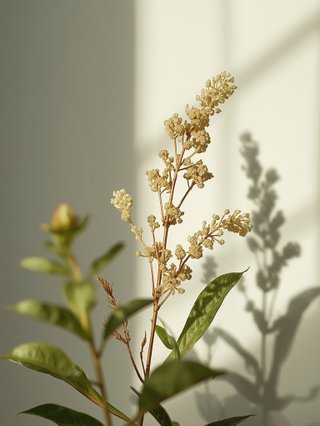
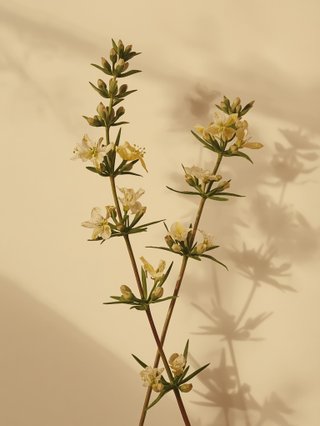
The physiological relevance of white dittany stems from a dense array of secondary metabolites, including alkaloids, essential oils, coumarins, limonoids, lactones, glycosides, triterpenes, flavonoids, and sterols. Laboratory evaluations highlight that its specific alkaloids exhibit notable activity against airborne fungal allergens such as Cladosporium cucumerinum as well as bacterial strains like Salmonella typhimurium. Within traditional herbal practice, the plant has been explored for its soothing anti-inflammatory qualities and its supportive role in respiratory comfort, digestive regularity, nervous system balance, and healthy lipid metabolism.
From a practical standpoint, understanding the potent dermal hazards of white dittany is essential for anyone encountering it in gardens or botanical collections. The high concentration of furanocoumarins and furanoquinoline alkaloids inside the plant cells triggers severe phytophotodermatitis when exposed skin comes into contact with sunlight, causing painful chemical burns and blistering. Gardeners and herbal enthusiasts should always wear protective clothing when working near this species during warm, sunny weather and must refrain from unsupervised internal or topical use without guidance from a healthcare professional.
I'm merely a plant enthusiast
Inquiry regarding the cultivation of Diptham
Exploring the medicinal properties of Dyptam
Medical applications of Escheblättriger Diptam in herbal therapy
Diptam as a potential hazard to skin health and burns
Despite its aesthetic appeal, diptam poses a significant health risk due to its high concentration of active chemical compounds. Contact with this plant can result in severe skin damage. One of the most common consequences of exposure to diptam is the development of phytophotodermatitis, a condition where the skin becomes hypersensitive to sunlight. This reaction is primarily triggered by furanocoumarins and furanoquinoline alkaloids present in the plant's cells. During periods of high temperatures and intense sunlight, diptam releases substantial amounts of these substances, which can lead to self-ignition and severe skin burns. Such burns are difficult to treat and may leave lasting scars. Therefore, it is strongly advised to avoid contact with this plant, especially on hot days, and to use appropriate protective measures, such as wearing protective gloves when handling it.
Want to apply these guidelines in your daily diet?
Our smart diet generator creates a tailored meal plan in 3 minutes based on the recommendations in this article.

Literatura: Wolski T., Baj T., „Systematyka gatunku Dictamnus oraz skład fitochemiczny dwu odmian dyptamu jesionolistnego (Dictamnus albus L. cv. Albifloers i cv. Rosa Purple). Cz. I.”, Postępy Fitoterapii, 3/2014 https://www.panacea.pl/articles.php?id=67 „Dictamnus albus (dyptam jesionolistny) rodzina Rutaceae (Rutowate)”, Miejski Ogród Botaniczny w Zabrzu
• 23.10.2026Diets Premium Expert
Diets Premium team expert. Specializes in nutrition plans, strength sports, and training plans.