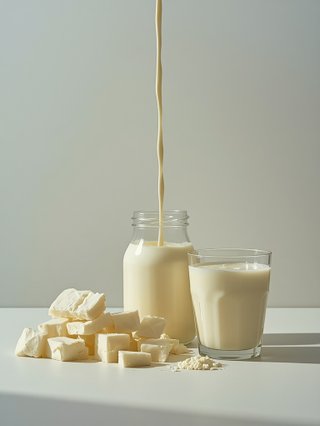
Plant-based diet... benefits and drawbacks of a popular lifestyle


Table of Contents 5
Medical & Editorial Disclaimer (§3 Terms): This article is for informational and educational purposes only, does not constitute medical advice, diagnosis, or treatment, and is used at your own risk. Consult a qualified physician for medical conditions.
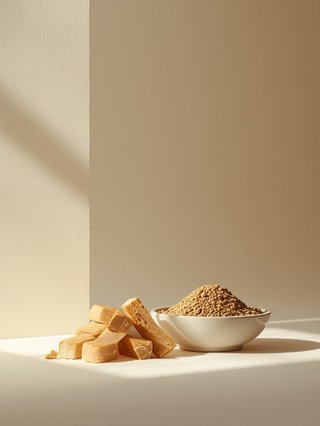
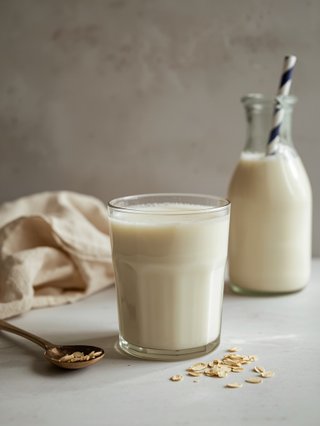
Physiologically, diets rich in dietary fiber, polyphenols, and antioxidants support cardiovascular health and metabolic function. The primary focus for those adopting this lifestyle is to manage the intake of specific nutrients that are less bioavailable in plant sources, such as vitamin B, iron, and essential omega fatty acids. By consuming a diverse array of protein sources throughout the day, the body can effectively maintain its internal amino acid pools, making complex calculations at every meal unnecessary for most individuals.
Practical success on a plant-based diet relies on incorporating a wide variety of legumes, whole grains, nuts, and seeds into daily meals. Supplementation of specific nutrients, particularly vitamin B, is a crucial component of a responsible and health-conscious approach. Additionally, pairing iron-rich plant foods with sources of vitamin C can help optimize the absorption of essential minerals, ensuring that the diet remains both balanced and supportive of long-term vitality.
Foundations and Definitions: Differentiating Plant-Based Diets and Veganism
Health Benefits and Therapeutic Advantages of Plant-Based Diets
Potential Pitfalls and Micronutrient Deficiencies: Critical Focus Areas
Balancing Plant-Based Meals and Optimizing Protein Complementarity
Sample Balanced Full-Day Plant-Based Meal Plan
Want to apply these guidelines in your daily diet?
Our smart diet generator creates a tailored meal plan in 3 minutes based on the recommendations in this article.
Tags

Oliwia Kaczmarek
• 23.10.2026Diets Premium Expert
Diets Premium team expert. Specializes in nutrition plans, strength sports, and training plans.