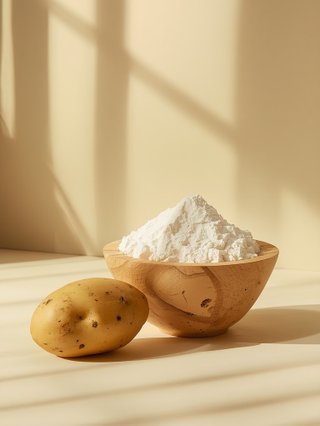
Potatoes, considered tubers with significant nutritional value.
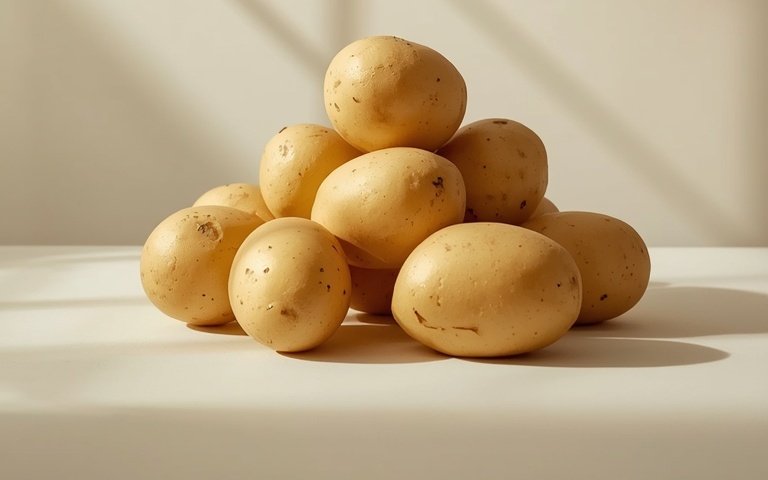
Table of Contents 3
Medical & Editorial Disclaimer (§3 Terms): This article is for informational and educational purposes only, does not constitute medical advice, diagnosis, or treatment, and is used at your own risk. Consult a qualified physician for medical conditions.
From a physiological standpoint, potatoes function as a nutrient-dense dietary component packed with essential vitamins, minerals, and complex carbohydrates. Contrary to common myths, they offer moderate energy density coupled with high satiety, making them an excellent choice for balanced meal planning. A particularly interesting nutritional characteristic involves the difference between freshly cooked hot potatoes and chilled ones; cooled potatoes develop resistant starch, which behaves similarly to dietary fiber in the digestive tract, thereby supporting gut health and metabolic wellness through natural mechanisms.
Incorporating potatoes into everyday culinary habits is both simple and rewarding, thanks to their remarkable adaptability in the kitchen. Whether boiled, baked, or prepared into wholesome purees and traditional dishes, they provide a reliable foundation for satisfying meals. To maximize their health benefits in daily nutrition, it is best to focus on preparation methods that minimize excessive fats, ensuring that this classic and nourishing tuber remains a cornerstone of a healthy and balanced lifestyle.
Potatoes: A Nutritional Powerhouse of Vitamins and Minerals
Do potatoes serve as a calorie source – what is their caloric value?
Diverse Uses of Potatoes
Want to apply these guidelines in your daily diet?
Our smart diet generator creates a tailored meal plan in 3 minutes based on the recommendations in this article.

Wojciech Wiśniewski
Diets Premium Expert
Diets Premium team expert. Specializes in nutrition plans, strength sports, and training plans.