Tapioca flour (cassava starch) – properties, glycemic index, and recipes
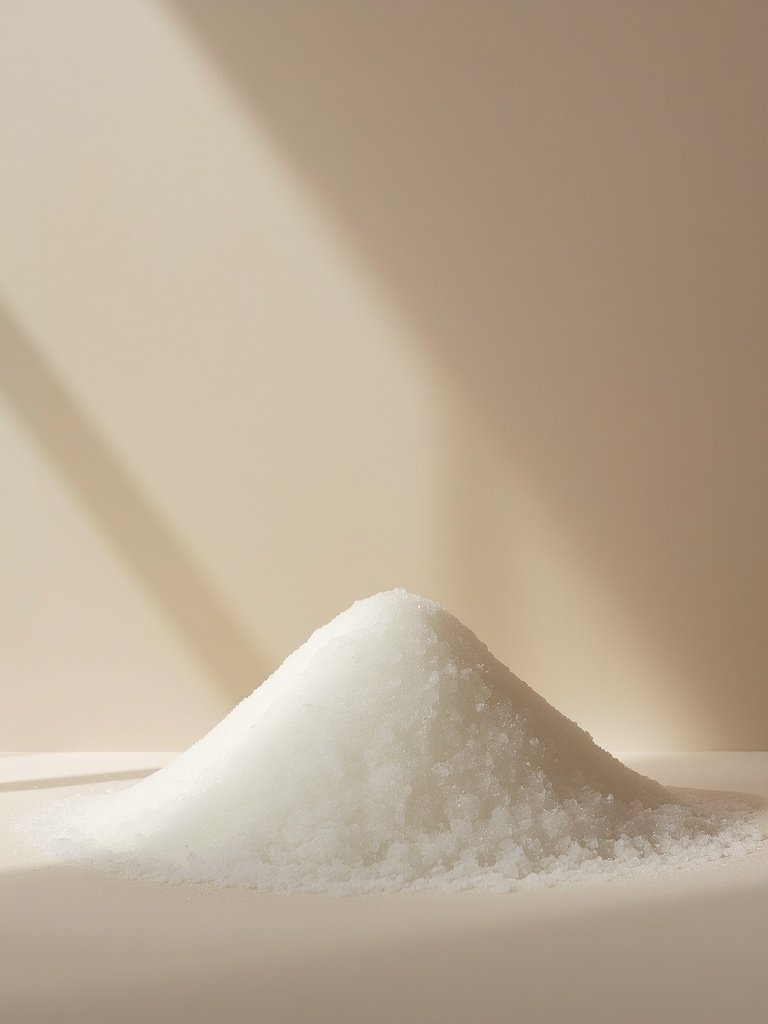
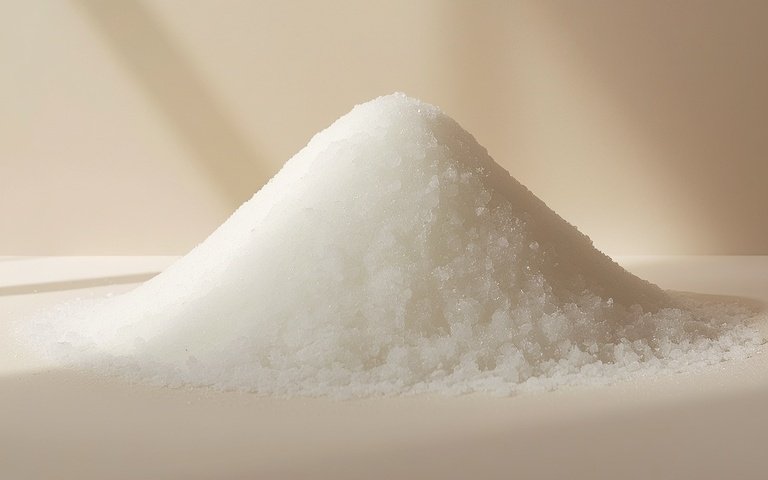
Table of Contents 3
Medical & Editorial Disclaimer (§3 Terms): This article is for informational and educational purposes only, does not constitute medical advice, diagnosis, or treatment, and is used at your own risk. Consult a qualified physician for medical conditions.
From a food science perspective, tapioca exhibits remarkable physicochemical behavior that sets it apart from whole cassava flour, which retains natural fibrous components from the tuber. Upon exposure to heat and moisture, the isolated starch forms a translucent, elastic hydrogel capable of mimicking the desirable chewiness typically provided by gluten. This unique viscoelastic property allows home bakers to achieve exceptional textures, ranging from crispy outer crusts to delightfully soft and resilient interiors in various specialty recipes.
Practical application of tapioca flour in daily cooking involves harnessing its binding and texturizing capabilities to create delightful baked goods, flatbreads, and chewy culinary creations. Incorporating such ingredients mindfully within a varied and balanced diet supports an enjoyable eating experience without relying on heavily refined additives. Emphasizing whole foods and thoughtful culinary techniques helps maintain vitality and joy in preparing nourishing meals at home.
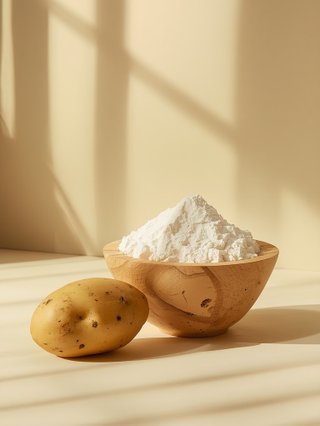
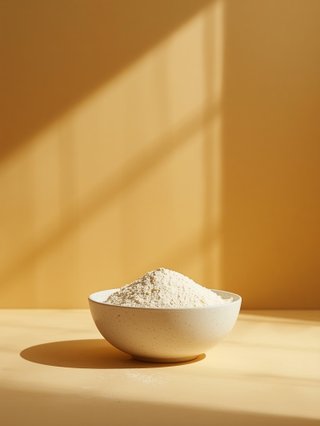
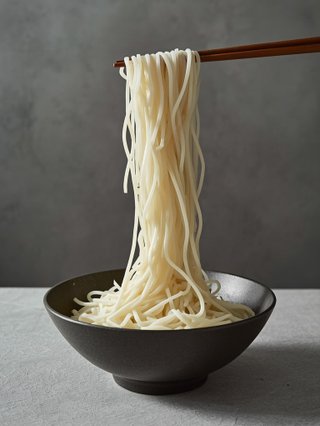
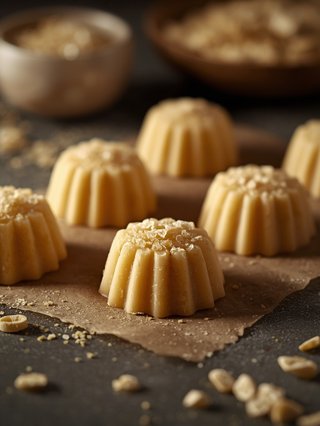
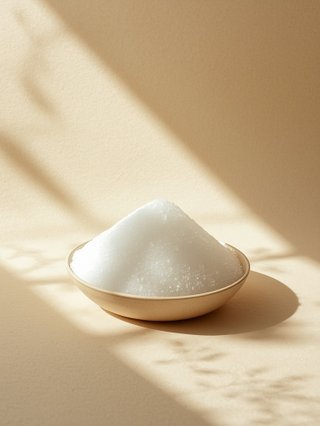
Tapioca flour, extracted from the starchy tuberous roots of cassava (Manihot esculenta), is a globally celebrated hypoallergenic gluten-free starch. It exhibits immaculate white coloration, neutral flavor, and an extraordinary capacity to deliver an exterior crispness coupled with a delightfully elastic, chewy interior (the famous mochi bite). Easily digestible and devoid of inflammatory antigens, tapioca flour serves as the defining foundation of Brazilian Pão de Queijo and bubble tea boba pearls.
Origins of Cassava and Physicochemical Properties of Tapioca
Cassava is indigenous to tropical South America, anchoring ancient agrarian cultures:
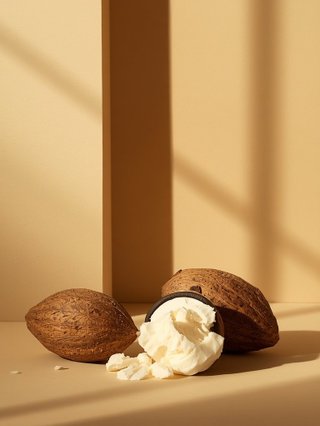
- Cassava flour vs tapioca starch – whole cassava flour is produced from the entire dried, peeled tuber (retaining dietary fiber), whereas tapioca flour is the pure isolated starch wash.
- Viscoelastic elasticity – upon thermal hydration, tapioca develops a translucent, rubbery hydrogel that mimics the tensile resilience of gluten matrices in allergen-free baking.
- Hypoallergenic purity – free from gluten, grain lectins, dairy, and soy, perfectly compliant with the Autoimmune Protocol (AIP) and sensitive digestive tracts.
Nutritional Profile, Glycemic Index, and Energy Density
The nutritional profile of tapioca reflects concentrated carbohydrate energetics:
- Energy yield – 100 g provides ~355–360 kcal, comprising 88 g of easily digestible carbohydrates, minimal protein (<0.5 g), and zero lipids.
- Glycemic response – yields an elevated glycemic index (GI ~70–80); diabetic individuals should combine tapioca recipes with protein, lipids, and leafy vegetables to attenuate rapid absorption.
- Resistant starch potential – cooled tapioca products develop resistant retrograded fractions that foster colonic microbiome health.
Tested Recipes: Brazilian Pão de Queijo and Tapioca Flatbreads
Two quintessential culinary masterpieces showcasing tapioca's unique texture:
Authentic Brazilian Pão de Queijo:
- Ingredients: 250 g tapioca flour, 120 ml milk, 60 ml vegetable oil, 1 egg, 100 g grated aged cheese (Parmesan or Cheddar), 1/2 tsp salt.
- Preparation: Scald milk and oil with salt, stir into tapioca flour. Let cool slightly, knead in egg and cheese. Roll into golf-ball-sized spheres and bake at 190°C (375°F) for 20 minutes until puffed and golden.
Brazilian Crepioca:
- Whisk 2 tbsp tapioca flour with 1 egg and salt; pan-fry on medium heat like an omelet-crepe, serving with avocado and fresh greens.
Want to apply these guidelines in your daily diet?
Our smart diet generator creates a tailored meal plan in 3 minutes based on the recommendations in this article.

mgr Literatura:
• 23.10.2026Diets Premium Expert
Diets Premium team expert. Specializes in nutrition plans, strength sports, and training plans.