Optimal ingredients to enhance salad flavor – key knowledge on choosing the right vegetable fat
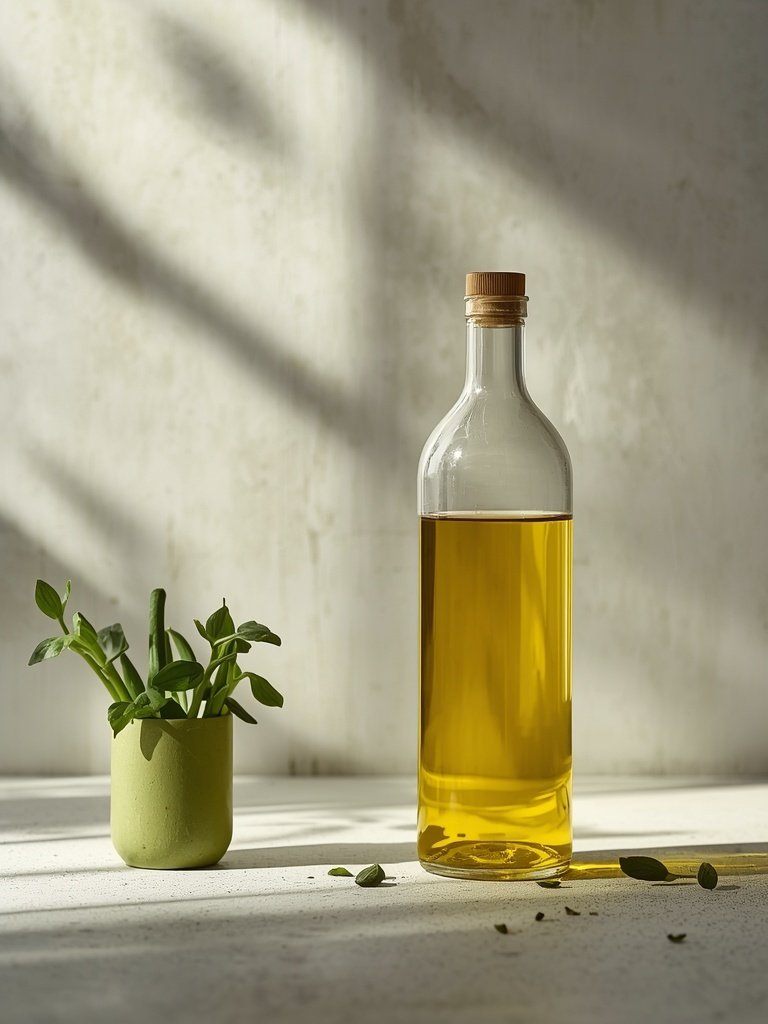
Table of Contents 4
Medical & Editorial Disclaimer (§3 Terms): This article is for informational and educational purposes only, does not constitute medical advice, diagnosis, or treatment, and is used at your own risk. Consult a qualified physician for medical conditions.
The core biochemical principle behind oil selection lies in the bioavailability of fat-soluble vitamins and lipophilic phytochemicals, such as carotenoids. Without dietary lipids, the human digestive system cannot efficiently form the mixed micelles required to absorb these vital compounds in the small intestine. Unrefined oils—including extra virgin olive oil, cold-pressed flaxseed oil, and virgin rapeseed oil—offer superior fatty acid profiles and potent polyphenols. In contrast, commercial store-bought dressings are frequently loaded with refined low-grade oils, artificial thickeners, and hidden sugars that diminish the meal's health benefits.
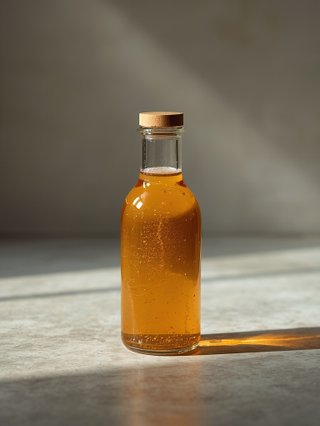
Adopting the habit of whisking artisanal, homemade dressings provides complete control over ingredient purity and nutrient density. Combining an unrefined vegetable oil with a fresh acid component, such as lemon juice or raw apple cider vinegar, alongside herbs creates a stable emulsion that maximizes nutrient absorption. Sensitive lipids, particularly flaxseed oil, must be kept unheated and stored in dark glass away from light and heat to preserve their delicate unsaturated bonds and maximize their dietary advantages.
This article provides an in-depth examination of the most effective methods for enhancing the flavor composition of salads, with particular emphasis on the selection criteria for high-quality vegetable oils. It discusses nutritional properties, fatty acid profiles, and thermal stability effects on ingredients, enabling evidence-based culinary decisions.
Why dietary fat is essential: bioavailability of vitamins and carotenoids
Consuming completely fat-free salads is a prevalent nutritional mistake. Critical micronutrients in fresh vegetables—specifically vitamins A, D, E, and K—are lipophilic compounds absorbed exclusively in the presence of dietary lipids. Without a fat vehicle, their absorption in the small intestine plummets by up to 80–90%.
Likewise, powerful phytochemical carotenoids—such as lycopene in tomatoes, beta-carotene in carrots, and lutein in dark leafy greens—require lipids to form mixed micelles that enter mucosal enterocytes. Adding premium unrefined plant oil transforms a fresh salad into a bioavailable powerhouse.
Comprehensive guide to unrefined cold-pressed plant oils
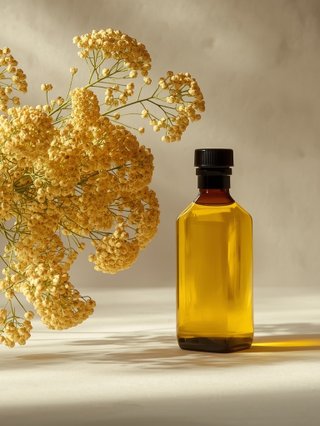
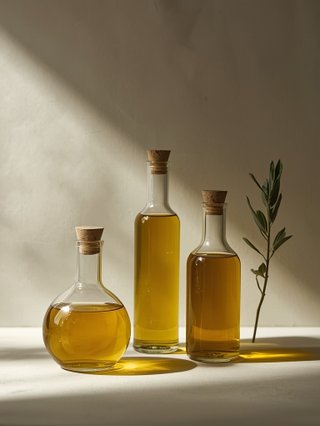
When selecting the lipid base for salad dressings, unrefined cold-pressed oils (mechanically extracted below 40°C) are paramount:
- Extra Virgin Olive Oil: The gold standard of the Mediterranean diet, rich in oleic acid and potent polyphenols (oleocanthal, hydroxytyrosol) with anti-inflammatory activity.
- Flaxseed Oil: An unrivaled plant source of alpha-linolenic acid (ALA, Omega-3). Must strictly be kept unheated and stored refrigerated in dark glass.
- Cold-Pressed Rapeseed (Canola) Oil: Features an optimal Omega-6 to Omega-3 ratio (~2:1) with a pleasantly delicate flavor.
- Walnut and Pumpkin Seed Oils: Impart distinctive gourmet aromas along with zinc and bioactive phytosterols.
The pitfalls of commercial dressings and healthy alternatives
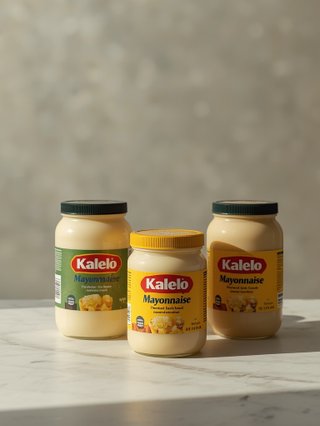
Commercial supermarket dressings and mayonnaise-based sauces are frequently nutritional hazards, loaded with high-fructose corn syrup, low-grade refined sunflower or palm oils, modified starches, preservatives, and artificial flavor enhancers. Even dressings marketed as "light" replace fat with copious amounts of sugar and synthetic thickeners.
Whisking a homemade vinaigrette takes less than two minutes. It affords absolute control over ingredient purity, excludes synthetic additives, and delivers pure nutritional value.
Recipes for artisanal dressings: formulas and culinary pairings
The timeless foundation of an authentic vinaigrette rests on a 3:1 ratio (three parts unrefined oil to one part acid). Here are three tested, nutrient-packed formulas:
- Classic Dijon-Honey Vinaigrette: 3 tbsp extra virgin olive oil, 1 tbsp fresh lemon juice or raw apple cider vinegar, 1 tsp Dijon mustard, 1/2 tsp raw honey, sea salt, and cracked black pepper. Shake in a small jar until creamy.
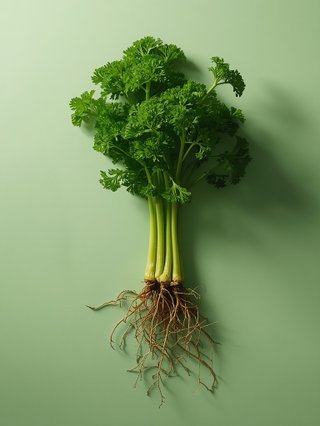
- Flaxseed-Herb Elixir: 3 tbsp cold-pressed flaxseed oil, 1 tbsp lime juice, minced fresh dill, parsley, and wild garlic. Perfect for summer tomatoes and crisp cucumbers.
- Creamy Greek Yogurt & Tahini Dressing: 2 tbsp plain Greek yogurt, 1 tbsp raw sesame tahini, 1 tbsp olive oil, 1 minced garlic clove, lemon juice, and a splash of water to emulsify.
Want to apply these guidelines in your daily diet?
Our smart diet generator creates a tailored meal plan in 3 minutes based on the recommendations in this article.

Sophia Williams
• 23.10.2026Diets Premium Expert
Diets Premium team expert. Specializes in nutrition plans, strength sports, and training plans.