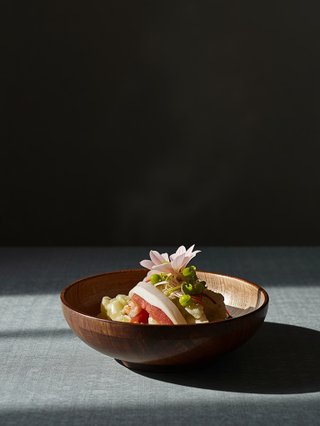
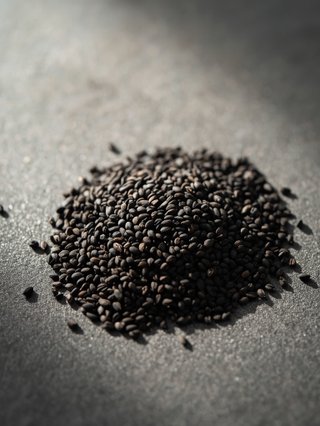
Natto – characteristics and health benefits of fermented soy in the diet and Japanese cuisine
Table of Contents 2
Medical & Editorial Disclaimer (§3 Terms): This article is for informational and educational purposes only, does not constitute medical advice, diagnosis, or treatment, and is used at your own risk. Consult a qualified physician for medical conditions.
The core health benefits stem from the synergistic interaction of unique bioactive compounds, notably the fibrinolytic enzyme nattokinase and high concentrations of vitamin K in the form of menaquinone. Nattokinase supports vascular health by promoting smooth blood flow and microcirculation through the breakdown of fibrin structures. Concurrently, menaquinone directs calcium metabolism efficiently, supporting bone mineralization while helping to maintain healthy, uncalcified arterial walls. Furthermore, the bacterial fermentation enhances the bioavailability of soybean isoflavones and introduces resilient probiotic spores that positively modulate the gut microecology.
Practical incorporation of natto into daily nutrition requires an appreciation of its pungent aroma and mucilaginous texture. Beginners can ease the transition by blending the food with traditional condiments such as Japanese mustard, soy sauce, or chopped scallions to soften the intense flavor profile. While regular culinary consumption contributes positively to overall vitality and wellness as part of a balanced diet, it should always complement rather than replace professional medical guidance.
Natto is a cornerstone of traditional Japanese functional gastronomy, generated through the fermentation of whole soybeans by Bacillus subtilis var. natto. Marked by a distinct pungent aroma and mucilaginous texture, it constitutes the densest dietary reservoir of menaquinone-7 (vitamin K2 MK-7) and the potent fibrinolytic enzyme nattokinase, offering profound cardiovascular and skeletal benefits.
Nattokinase and Menaquinone-7 (MK-7): Fibrinolysis and Vascular Decalcification
The primary cardiovascular therapeutics of natto revolve around the synergistic action of two unique biochemical agents:
- Fibrinolytic power of nattokinase: Nattokinase is an alkaline serine protease that directly degrades intravascular fibrin clots while simultaneously elevating tissue plasminogen activator (t-PA) and suppressing PAI-1, thereby improving microcirculation and systemic blood pressure.
- Menaquinone-7 (MK-7) and the calcium paradox: Natto provides up to 1,000 µg of vitamin K2 per 100 g. MK-7 carboxylates Matrix Gla Protein (MGP) to prevent vascular calcification, simultaneously activating osteocalcin to sequester systemic calcium into skeletal hydroxyapatite.
Gut Microbiota Modulation, Isoflavone Aglycones, and Culinary Administration
The bacterial fermentation process completely revamps soybean bioaccessibility while supporting gut microecology:
- Isoflavone aglycone conversion: Fermentation hydrolyzes sugar moieties from soybean isoflavones, transforming them into bioavailable aglycones (genistein, daidzein) with enhanced systemic absorption.
- Probiotic resilience: Spores of Bacillus subtilis var. natto survive gastric acidity and bile salts, successfully colonizing the colonic lumen to encourage Bifidobacteria and suppress enteropathogens.
- Culinary recommendations: Natto is traditionally whipped with chopsticks to aerate the mucilaginous gamma-polyglutamic acid polymers, served with soy sauce, mustard, and rice. It must never be heated above 60°C to preserve enzymatic integrity.
Want to apply these guidelines in your daily diet?
Our smart diet generator creates a tailored meal plan in 3 minutes based on the recommendations in this article.
Tags

mgr Mateusz Pawlak
• 23.10.2026Diets Premium Expert
Diets Premium team expert. Specializes in nutrition plans, strength sports, and training plans.