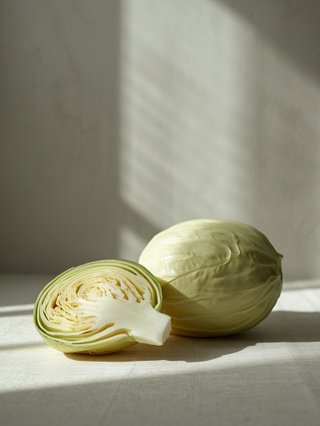
Sauerkraut fermentation – benefits and recipes. How to ferment cabbage?
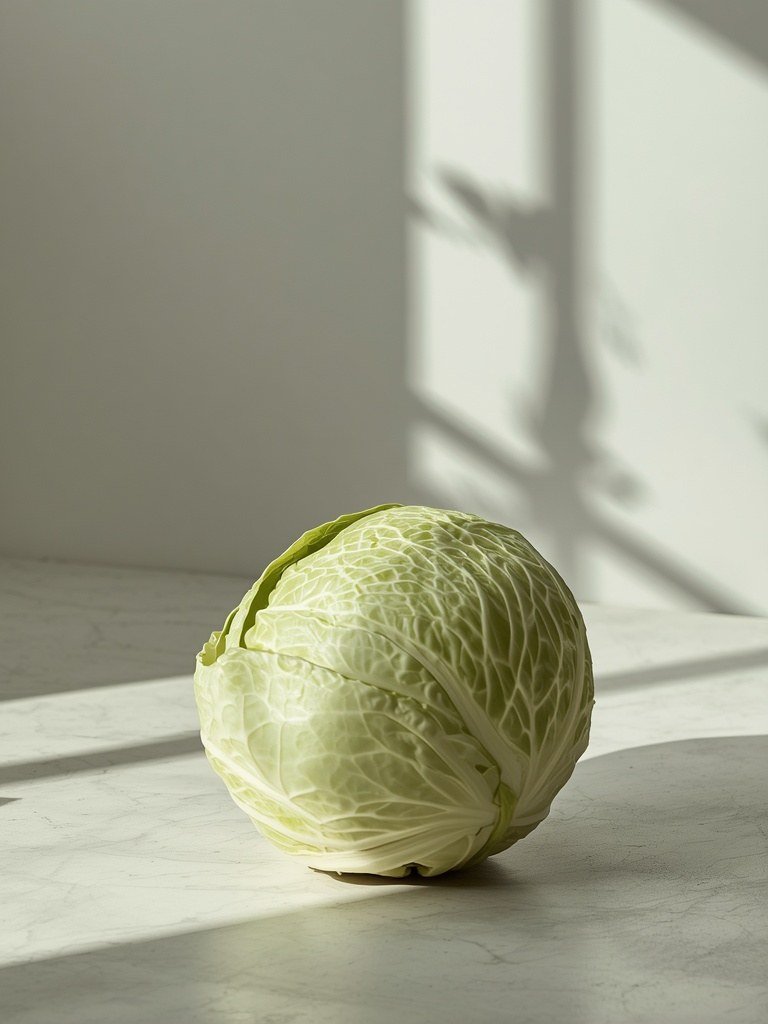
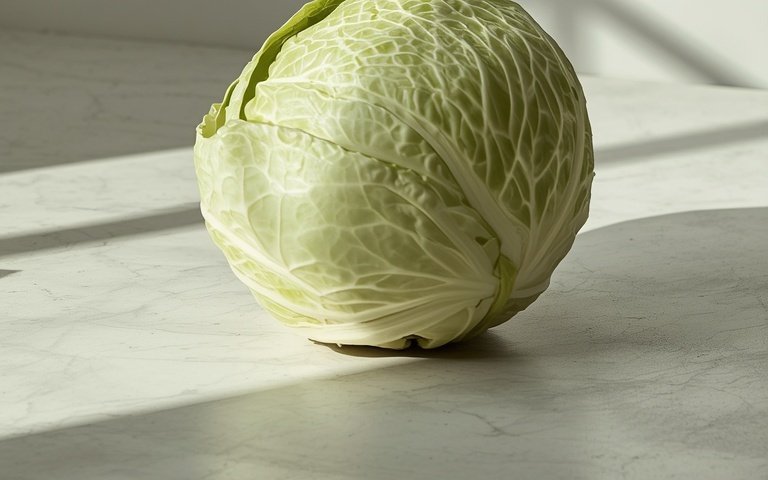
Table of Contents 4
Medical & Editorial Disclaimer (§3 Terms): This article is for informational and educational purposes only, does not constitute medical advice, diagnosis, or treatment, and is used at your own risk. Consult a qualified physician for medical conditions.
From a physiological and food science perspective, pickled cabbage relies on a managed lactic acid fermentation process conducted under anaerobic conditions. Once the shredded white cabbage is salted and sealed, indigenous bacterial strains—including Lactobacillus plantarum, Leuconostoc mesenteroides, and Pediococcus cerevisiae—metabolize natural glucose and fructose into lactic acid. High-quality fermented cabbage is defined by a firm, crisp texture, a pale white to subtle yellowish hue, minimal liquid turbidity, and a carefully balanced sodium chloride concentration.
Carrying out fermentation at home is straightforward, requiring late-variety white cabbage with a dense head and salt, alongside optional additions such as carrots and aromatic spices that are lightly crushed together. In everyday meal planning, fermented cabbage serves as a versatile raw accompaniment to breakfast eggs, lunches, or dinners. It also pairs exceptionally well with legumes such as peas and beans or with mushrooms in traditional festive dishes, while serving as a foundational ingredient in classic stews like bigos.
Lacto-fermented white cabbage: a preserved vegetable with naturally cultured probiotic benefits
Nutritional profile and year-round dietary benefits of fermented cabbage
The recipe for pickled cabbage
What do you do with pickled cabbage?
Want to apply these guidelines in your daily diet?
Our smart diet generator creates a tailored meal plan in 3 minutes based on the recommendations in this article.

mgr Literatura:
Diets Premium Expert
Diets Premium team expert. Specializes in nutrition plans, strength sports, and training plans.