Innovative and natural methods for home hair care: diet, masks, and protection against damage


Table of Contents 3
Medical & Editorial Disclaimer (§3 Terms): This article is for informational and educational purposes only, does not constitute medical advice, diagnosis, or treatment, and is used at your own risk. Consult a qualified physician for medical conditions.
The core insights delve into the necessity of sulfur-containing amino acids and essential minerals like zinc and iron for robust keratin synthesis and follicle cycling. Understanding hair porosity is crucial for effective care, as it dictates how different lipid profiles interact with the hair cuticle. While some oils penetrate the cortex to provide internal strength, others form a protective barrier that seals moisture and shields the hair from the oxidative damage caused by ultraviolet radiation and thermal styling.
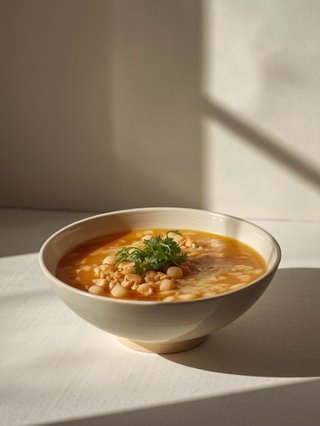
Practical guidance emphasizes a diet rich in high-quality proteins and micronutrients found in legumes, poultry, and eggs to support the hair matrix from within. Incorporating restorative home treatments tailored to specific hair needs, such as protein masks or targeted oiling with argan or grape seed oils, can significantly mitigate the impact of daily wear and tear. By minimizing chemical exposure and heat stress, individuals can preserve the natural disulfide bonds of their hair, leading to long-term strength and a healthy appearance.
Lustrous, resilient hair serves not only as an aesthetic attribute but also as a sensitive physiological indicator of systemic health and nutritional status. Daily exposure to ultraviolet radiation, thermal styling tools, and harsh chemical treatments compromises the structural integrity of the keratin hair shaft. Which micronutrients are essential for hair follicle matrix proliferation, how should plant oils be selected according to hair porosity, and which evidence-based DIY restorative masks restore damaged strands?
Environmental and Mechanical Hair Damage: UV, Heat, and Chemical Stress
Human hair architecture predominantly consists of fibrous keratin proteins (80–85%), cross-linked by robust covalent disulfide bonds. Ultraviolet radiation oxidizes the outer cuticle lipid layer and photochemically degrades melanin pigments, resulting in cuticular weathering and structural fragility. High-temperature thermal styling (>180°C) denatures keratin chains and induces intracortical water vaporization, creating irreversible microscopic fractures. Furthermore, aggressive chemical treatments (bleaching, perm solutions) sever disulfide bridges, while harsh anionic sulfate detergents (SLS/SLES) strip the scalp's protective hydrolipidic barrier, provoking chronic irritative micro-inflammation.
Nutritional Trichology: Protein, Biotin, Zinc, and Ferritin
Hair follicle matrix keratinocytes exhibit some of the highest mitotic rates in human biology, rendering hair growth acutely sensitive to nutritional deficiencies. Adequate dietary protein supplying sulfur-containing amino acids—L-cysteine and L-methionine (eggs, poultry, fish, legumes)—is mandatory for keratin synthesis. Critical micronutrients include: iron and ferritin (optimal hair follicle cycling requires ferritin levels above 50–70 ng/mL); zinc (an essential cofactor for nucleic acid polymerases); biotin (vitamin B7); and vitamin D3, which modulates anagen follicle cycling. Deficiencies in marine omega-3 fatty acids further compromise scalp sebaceous equilibrium, fostering follicular inflammation.
Restorative Home Formulations: Oil Matching, Herbal Tonics, and Protein Masks
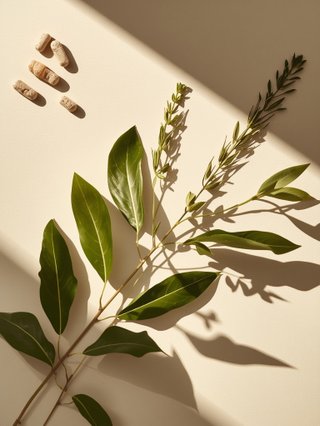
Evidence-based hair home care relies on the PEH balance (Proteins, Emollients, Humectants) tailored to hair porosity: 1. Hair oiling and lipid replenishment: Low-porosity strands respond best to penetrating saturated fatty acids (coconut oil, murumuru); medium-porosity hair thrives on monounsaturated oils (sweet almond, argan, olive oil); while damaged, high-porosity hair requires large polyunsaturated lipid profiles (black seed, evening primrose, grape seed oil) to seal lifted cuticular scales; 2. Restorative egg-yolk and raw honey mask: Combining raw egg yolk (phospholipids, lecithin, proteins) with raw honey (a natural humectant) and extra virgin olive oil for 25 minutes restores lipid barriers and elasticity; 3. Botanical rinses and scalp tonics: Rosemary leaf infusions stimulate scalp microcirculation (demonstrating efficacy comparable to low-dose minoxidil in preliminary trials), while stinging nettle rinses balance sebum and supply fortifying silica.
Want to apply these guidelines in your daily diet?
Our smart diet generator creates a tailored meal plan in 3 minutes based on the recommendations in this article.
Tags

mgr Emilia Szymańska
• 25.11.2026Diets Premium Expert
Diets Premium team expert. Specializes in nutrition plans, strength sports, and training plans.