Homemade Mayonnaise: Traditional Recipe, Low-Calorie Version, and Plant-Based Alternatives – A Comprehensive Culinary Guide
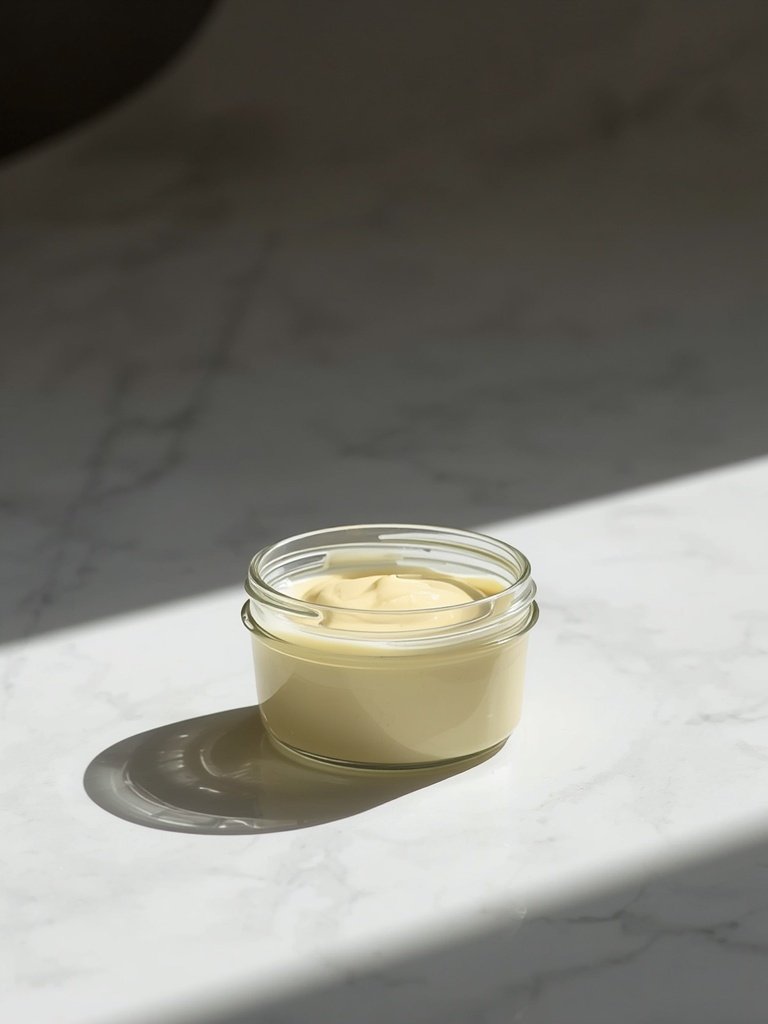
Table of Contents 4
Medical & Editorial Disclaimer (§3 Terms): This article is for informational and educational purposes only, does not constitute medical advice, diagnosis, or treatment, and is used at your own risk. Consult a qualified physician for medical conditions.
The foundational technique relies on high-shear mechanical dispersion, where amphiphilic molecules align at the oil-water interface to maintain structural stability. Alongside the traditional method, lighter variations incorporating strained Greek yogurt or cottage cheese offer reduced fat content while preserving a rich mouthfeel. Furthermore, plant-based enthusiasts and individuals avoiding eggs can master an innovative dairy-free alternative utilizing chickpea cooking liquid, which successfully mimics traditional interfacial tension reduction through natural plant proteins and saponins.
Achieving consistent results at home requires ensuring all components share a uniform ambient temperature to prevent separation during blending. Incorporating lightened versions or nutrient-dense plant alternatives supports a balanced approach to everyday meals without sacrificing culinary pleasure. Through careful ingredient selection and proper technique, this classic sauce becomes a versatile addition to any wholesome dietary routine.
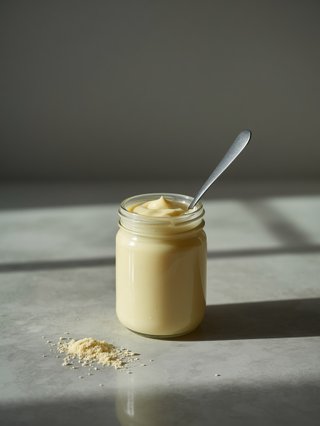
Mayonnaise is a quintessential culinary cold sauce representing an oil-in-water emulsion stabilized by natural egg yolk lecithin. While commercial formulations frequently incorporate artificial preservatives, modified food starches, and refined low-grade seed oils, homemade preparation affords complete control over ingredient integrity. This guide details emulsion biochemistry, microbiological safety protocols, lightened yogurt-based formulas, and vegan aquafaba alternatives.
Composition and Biochemical Principles of Mayonnaise Emulsion
Mayonnaise is synthesized via high-shear mechanical dispersion of microscopic oil droplets into an aqueous phase (citrus juice, vinegar, yolk water). Egg yolk acts as the definitive emulsifier through amphiphilic lecithin (phosphatidylcholine), which aligns at the oil-water interface to prevent droplet coalescence.
Fundamental components of premium mayonnaise:
- Quality oil phase (70–80%) – cold-pressed rapeseed oil, mild sunflower oil, or delicate olive oil (heavy extra virgin olive oils can impart bitter notes).
- Fresh egg yolks – delivering lecithin and bioavailable fat-soluble vitamins (A, D, E, K).
- Acidic phase (fresh lemon juice or cider vinegar) – lowers pH to preserve structural stability and suppress bacterial proliferation.
- Dijon mustard – provides sinigrin and plant mucilages that reinforce interfacial film strength.
How to Make Classic Homemade Mayonnaise – Technique and Troubleshooting
Crafting flawless mayonnaise with an immersion blender requires barely two minutes when following precise mechanical parameters:
- Temperature equilibration – all ingredients (yolks, oil, mustard) MUST be tempered to uniform ambient room temperature. Cold refrigerated eggs guarantee emulsion breakage.
- Immersion stick blender technique – in a tall, narrow beaker, layer 1 whole egg (or 2 yolks), 1 tsp Dijon mustard, 1 tbsp lemon juice, a pinch of salt, and 200–250 ml oil. Place the blender head firmly on the beaker base, activate full speed, and only pull upward once a thick emulsion forms at the bottom.
- Rescuing a broken emulsion – whisk 1 fresh yolk with a teaspoon of warm water in a clean bowl, then slowly incorporate the broken mixture drop by drop while whisking vigorously.
Lightened Version – Reduced-Calorie Yogurt Mayonnaise
Traditional mayonnaise packs over 700 kcal per 100 g (~100 kcal per tablespoon), presenting caloric hurdles during fat-loss programs. Nutrient-dense low-calorie adaptations offer superb alternatives:
- Greek yogurt hybridization – blending strained Greek yogurt (0% or 2% fat) with hard-boiled yolk, mustard, lemon juice, and a splash of olive oil slashes caloric density by 75% (~90–120 kcal/100 g).
- High-protein cottage cheese spread – whipping low-fat cottage cheese with egg yolk, garlic, and Dijon mustard creates an ultra-creamy, protein-rich sandwich dressing.
Vegan Aquafaba Mayonnaise – Plant-Based Egg-Free Alternative
For vegan diets and egg allergy sufferers, mayonnaise crafted from aquafaba (chickpea cooking liquid) delivers indistinguishable texture and taste:
- Emulsifying chemistry of aquafaba – chickpea brine contains soluble plant albumins and saponins that replicate egg yolk interfacial tension reduction.
- Simple formula – blend 3 tbsp chilled aquafaba, 1 tsp Dijon mustard, 1 tsp apple cider vinegar, a pinch of sea salt, and black kala namak salt (for an authentic eggy sulfur aroma) for 30 seconds, then stream in 150–200 ml rapeseed oil until thick.
- Nutritional advantages – zero dietary cholesterol, complete absence of Salmonella contamination risks, and prolonged refrigerator stability up to 14 days.
Want to apply these guidelines in your daily diet?
Our smart diet generator creates a tailored meal plan in 3 minutes based on the recommendations in this article.

mgr Max Müller
• 23.10.2026Diets Premium Expert
Diets Premium team expert. Specializes in nutrition plans, strength sports, and training plans.