Health benefits of matcha – is it worth including it in your diet?
Table of Contents 11
Medical & Editorial Disclaimer (§3 Terms): This article is for informational and educational purposes only, does not constitute medical advice, diagnosis, or treatment, and is used at your own risk. Consult a qualified physician for medical conditions.
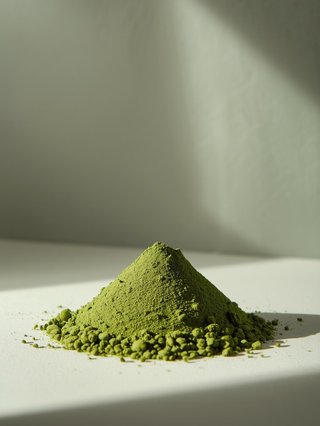
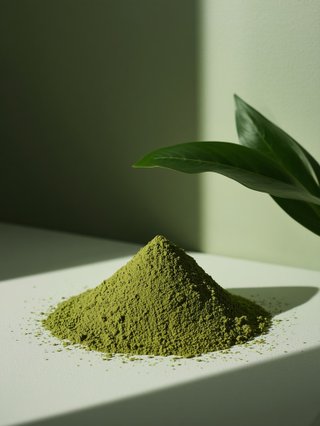
The distinctive phytochemical profile of matcha originates from traditional shade-growing techniques applied prior to harvest, which boost the biosynthesis of chlorophyll, the amino acid L-theanine, and potent polyphenols. Within the body, the synergistic interaction between natural caffeine and L-theanine promotes focused cognitive clarity and mental efficiency while helping to maintain emotional equilibrium without abrupt nervous agitation. Additionally, its rich supply of catechins—most notably epigallocatechin gallate—alongside vitamin C contributes to cellular antioxidant defense against free radicals, while potentially supporting cardiovascular health, immune resilience, and natural metabolic thermogenesis when paired with regular physical activity.
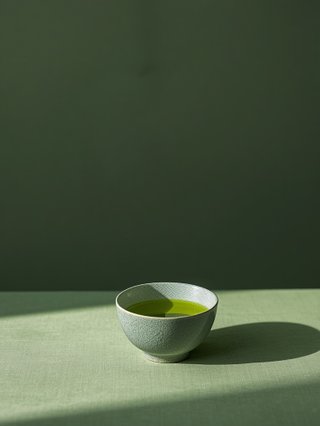
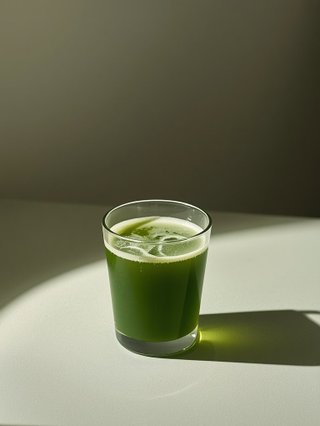
Incorporating matcha into a daily dietary routine is straightforward, whether prepared as a traditional warm beverage or blended into a refreshing iced matcha latte using dairy or plant-based milk without added sugars. To preserve its delicate bioactive compounds and characteristic umami flavor profile, the powder should always be whisked into temperature-controlled water rather than boiling liquid. Because matcha naturally contains caffeine, individuals who are sensitive to stimulants or prone to sleep disturbances and elevated heart rates should monitor their intake and exercise appropriate dietary caution.
This article is professional premium content (PRO) provided in its entirety.
Matcha Explained: Origin, Definition, and Traditional Processing of Shade-Grown *Camellia sinensis* Leaves
A biochemical examination of matcha: key compounds and their origin in whole tea leaves
Scientifically documented benefits of regular matcha consumption: How does it impact physical and mental well-being?
Neurocognitive modulation by matcha: The synergistic interplay between caffeine and L-theanine in sustaining focus and mental clarity
The molecular antioxidant properties of matcha green tea: cellular defense mechanisms
Comprehensive cardiovascular protection through bioactive compounds in matcha
Optimization of the body’s defensive mechanisms via bioactive matcha compounds
Optimization of metabolic processes and body weight management through bioactive matcha compounds
Protective role of matcha in preventing cancers and chronic inflammatory diseases
Who should exercise caution with matcha – essential limitations and health-based recommendations
Step-by-Step Guide to Crafting a Refreshing Iced Matcha Latte
Want to apply these guidelines in your daily diet?
Our smart diet generator creates a tailored meal plan in 3 minutes based on the recommendations in this article.

Oliwia Kaczmarek
• 25.09.2026Diets Premium Expert
Diets Premium team expert. Specializes in nutrition plans, strength sports, and training plans.