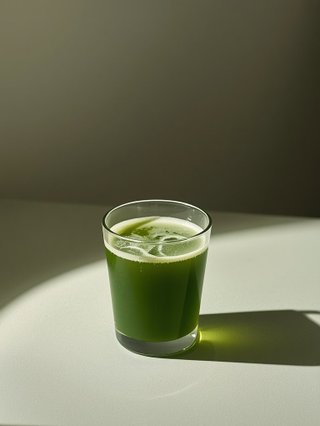
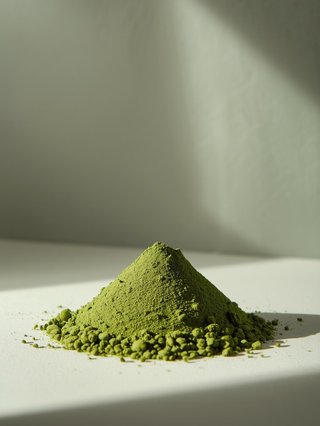
Matcha – Japanese superfood: scientifically proven benefits and the art of preparation
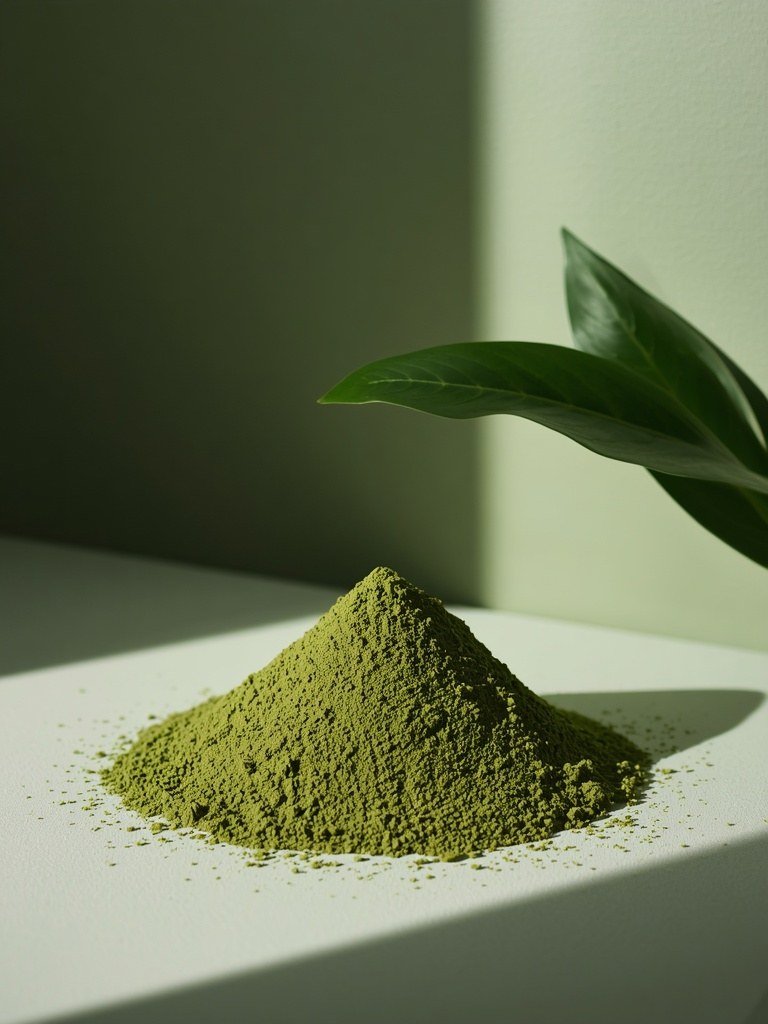
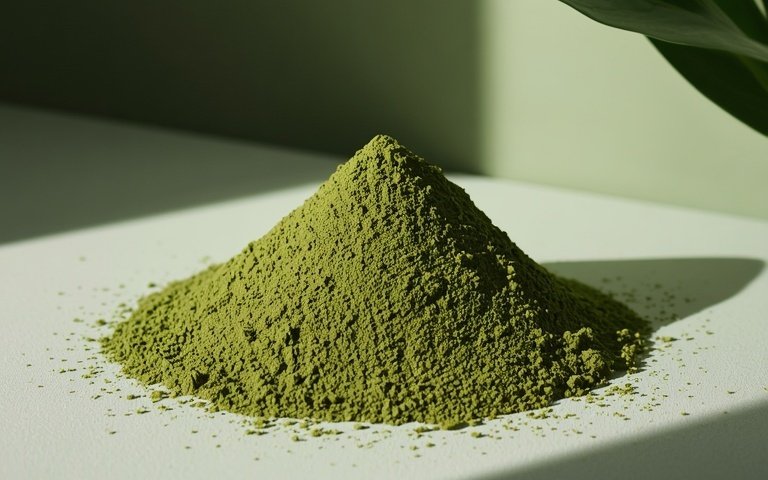
Table of Contents 5
Medical & Editorial Disclaimer (§3 Terms): This article is for informational and educational purposes only, does not constitute medical advice, diagnosis, or treatment, and is used at your own risk. Consult a qualified physician for medical conditions.
The underlying physiological benefits stem from a unique matrix of catechins, particularly epigallocatechin gallate, combined with L-theanine, which work synergistically to foster calm mental alertness and steady energy without unwanted jitters. Furthermore, scientific investigations highlight its favorable role in supporting metabolic balance, assisting cardiovascular function, and promoting healthy blood glucose regulation through natural antioxidant defense mechanisms.
To unlock the full spectrum of these health properties, proper preparation techniques are essential, involving water that is hot but strictly non-boiling to preserve delicate active compounds, traditionally whisked to achieve a smooth consistency. Beyond the ceremonial beverage, matcha serves as a versatile ingredient for modern culinary creations, making it simple and enjoyable to weave this healthful tradition into daily nutrition.
Matcha, the finest shade-grown, stone-ground Japanese green tea powder, stands as one of the most scientifically validated superfoods today. Unlike conventional green tea, matcha allows for the consumption of the entire leaf, delivering a concentrated profile of chlorophyll, L-theanine, and polyphenols—particularly epigallocatechin gallate (EGCG). This unique composition not only enhances the body’s antioxidant defense but also supports cognitive function, regulates blood glucose levels, and exhibits potent anti-inflammatory properties. Research further highlights its cardiovascular benefits and metabolic support. However, unlocking matcha’s full potential requires precise preparation techniques, ranging from traditional tea ceremonies to modern culinary applications.
Matcha’s Biochemical Profile: The Role of EGCG in Its Superior Health Benefits
Matcha distinguishes itself through its exceptional biochemical composition, as it involves consuming the entire stone-ground Camellia sinensis leaf. This process ensures the full assimilation of bioactive compounds, particularly epigallocatechin gallate (EGCG), a potent polyphenol. EGCG acts as a powerful antioxidant, mitigating oxidative stress linked to chronic diseases such as cancer and neurodegenerative disorders. Its thermal stability is noteworthy—when brewed at 70–80°C, EGCG remains intact, maximizing its efficacy. Additionally, EGCG enhances cellular communication and supports DNA repair mechanisms, promoting long-term cellular health and longevity.
Cardiovascular Health and Blood Sugar Regulation: How Matcha Supports Metabolic Balance
Clinical research confirms that regular matcha consumption significantly reduces cardiovascular risk. The catechins in matcha inhibit LDL oxidation, prevent arterial plaque formation, and enhance vascular elasticity by stimulating nitric oxide synthesis. This leads to natural blood pressure regulation and improved circulation. For individuals with insulin resistance or type 2 diabetes, matcha is particularly beneficial: it modulates insulin secretion, slows intestinal glucose absorption, and prevents postprandial glucose spikes. This dual effect on heart health and metabolism makes matcha an indispensable component of preventive nutrition.
L-Theanine and Caffeine: The Perfect Synergy for Mental Clarity and Stress Resistance
The unique synergy of L-theanine and caffeine in matcha explains its renowned ability to promote alert concentration without jitteriness. L-theanine, a rare amino acid that crosses the blood-brain barrier, induces alpha-wave brain activity, fostering deep relaxation while enhancing cognitive performance. Meanwhile, natural caffeine provides a gentle yet sustained energy release without the typical crash. This combination not only lowers stress hormones like cortisol but also boosts dopamine and serotonin production, enhancing long-term emotional resilience. Perfect for individuals seeking both mental sharpness and emotional balance.
Fat Burning and Weight Management: How Matcha Boosts Metabolism
For those aiming to lose weight or optimize body composition, matcha’s thermogenic properties are particularly beneficial. The combination of EGCG and caffeine inhibits COMT (catechol-O-methyltransferase), prolonging noradrenaline’s effects and boosting fat oxidation while increasing resting metabolic rate by up to 10%. Additionally, matcha modulates ghrelin and leptin, the key hunger and satiety hormones, reducing cravings and making it easier to sustain a caloric deficit. Research indicates that regular matcha consumption not only enhances fat burning but also curbs appetite surges, making it an ideal addition to a high-protein diet and exercise regimen.
The Art of Preparation: Traditional Methods and Modern Culinary Applications
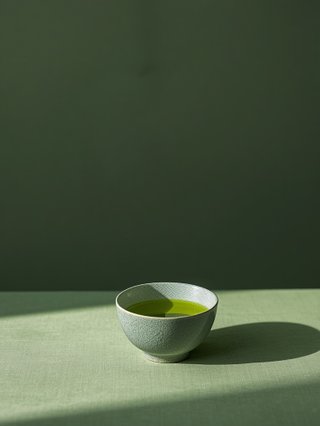
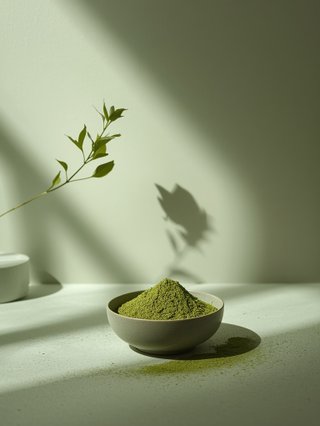
To fully harness matcha’s health benefits, precise preparation is essential. Traditionally, the powder is whisked with hot (but not boiling) water (70–80°C) to preserve delicate catechins and avoid bitterness. Using a bamboo whisk (chasen) and a specialized bowl (chawan) ensures a smooth, velvety texture. However, matcha is far more than a beverage—it excels as an ingredient in smoothies, oatmeal, desserts, and even savory dishes like soups or sauces. Its neutral color and versatile flavor allow for creative culinary integration without overpowering other ingredients. Always use high-quality ceremonial-grade matcha for optimal results.
Want to apply these guidelines in your daily diet?
Our smart diet generator creates a tailored meal plan in 3 minutes based on the recommendations in this article.

Katarzyna Mazur
• 25.11.2026Diets Premium Expert
Diets Premium team expert. Specializes in nutrition plans, strength sports, and training plans.