Natural body detoxification thanks to the properties of millet – how to choose the best product and utilize its full cleansing potential
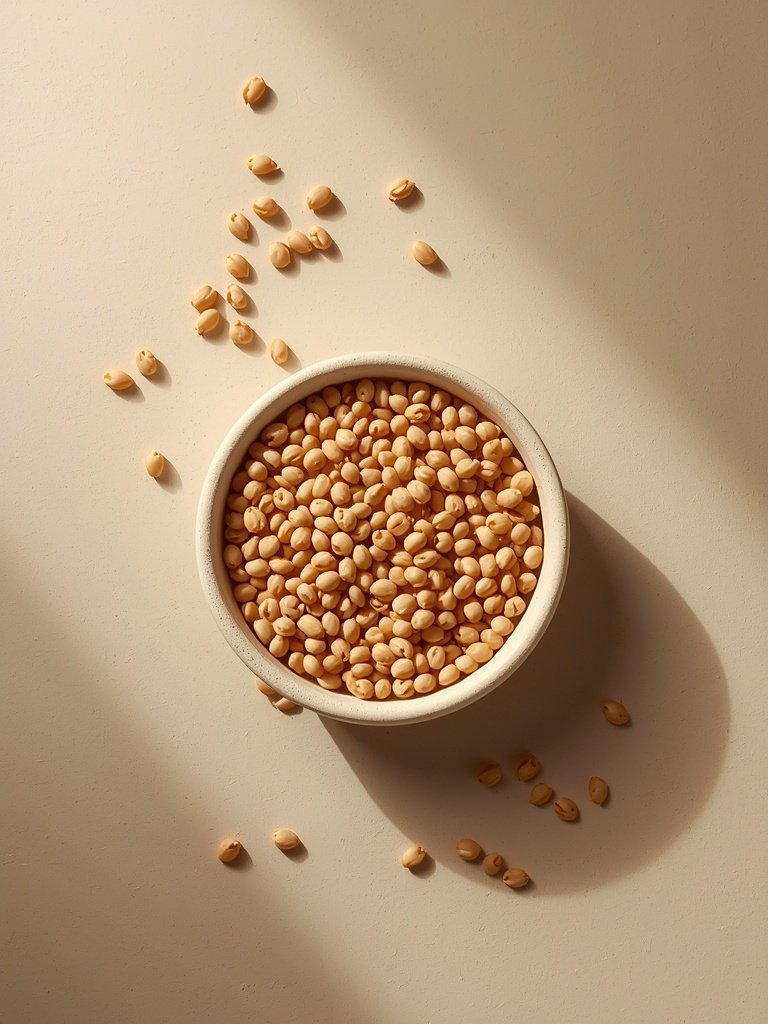
Table of Contents 3
Medical & Editorial Disclaimer (§3 Terms): This article is for informational and educational purposes only, does not constitute medical advice, diagnosis, or treatment, and is used at your own risk. Consult a qualified physician for medical conditions.
The exceptional properties of millet groats that facilitate the body's natural purification stem from several synergistic mechanisms, notably its distinct alkalizing effect on the organism. By helping to gently restore acid-base balance against the burden of processed foods and acid-forming ingredients, millet acts as a restorative staple. Furthermore, it supplies high-quality gluten-free protein, essential amino acids, abundant B-group vitamins, and crucial minerals that collectively nourish and revitalize the physiological systems.
Proper culinary preparation is essential to eliminate any natural bitter notes and achieve a fluffy, ideal texture in everyday meals. Roasting the dry groats gently in a pot until they release a pleasant nutty aroma, followed by a thorough rinsing with hot water, prepares them perfectly for simmering. Integrating this traditional grain into regular recipes provides a satisfying, nutritious foundation for long-term health and mindful culinary routines.
Amid the rising popularity of diverse detoxification aids—ranging from synthetic supplements to herbal concoctions—it is easy to overlook the fact that the most effective and simultaneously safest solutions often lie in traditional, minimally processed food products. Among these, millet groats stand out due to their unique detoxifying properties, which have been validated by both centuries-old culinary traditions and contemporary scientific research. What specific mechanisms underlie its ability to eliminate toxins from the body? And what criteria should guide the selection of the appropriate millet variety to ensure maximum efficacy in the cleansing process while minimizing the risk of adverse effects?
Nutritional profile and quality of millet groats
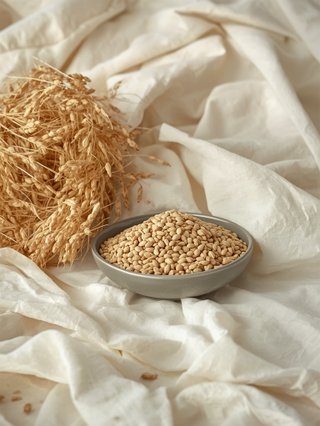
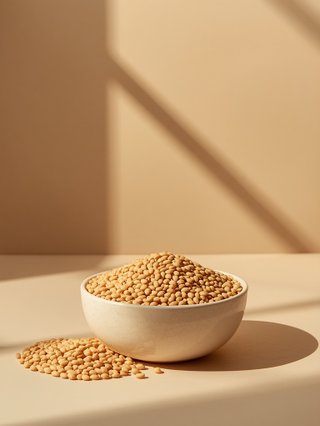
Millet groats, derived from the husked grains of Panicum miliaceum L., rank among the oldest cultivated cereals on Earth and are often heralded as the queen of grains. These small, inconspicuous seeds harbour a wealth of nutrients, including high-quality gluten-free protein, essential amino acids such as lysine and tryptophan, and abundant B-group vitamins, notably thiamine, riboflavin, and pyridoxine. Furthermore, they supply essential minerals like magnesium, iron, copper, phosphorus, and potassium, alongside lecithin, which supports liver function, cognitive performance, and lipid metabolism. The high silica content additionally promotes the optimal condition of joints, skin, teeth, hair, and nails. When embarking on a bodily purification regimen, selecting certified organic (BIO/ECO) millet ensures that the raw materials are cultivated without synthetic fertilizers or pesticides, delivering maximum purity and therapeutic value.
Mechanisms of detoxification through millet groats
The exceptional properties of millet groats that facilitate the body's natural purification processes stem from several synergistic mechanisms. Firstly, millet is unique among cereals for its alkalizing effect, helping to gently restore acid-base balance in an organism often burdened by the excessive consumption of acid-forming foods such as processed goods, refined sugar, coffee, and meat. Secondly, it exhibits strong antiviral and soothing properties, making it traditionally recommended for individuals struggling with upper respiratory tract infections and general immune fatigue. Thirdly, its minimal degree of processing ensures that digestion remains unburdened, allowing the digestive tract to rest and reset. A short-term, multi-day millet monodiet, supported by adequate hydration with water and green or white tea, effectively assists in metabolic waste elimination. However, due to its restrictive nature, such a regimen should be kept brief and integrated into a broader, nutritionally balanced diet framework.
Preparation and culinary recipes with millet groats
To eliminate the natural, slightly bitter taste of millet and achieve a fluffy, perfect texture, proper culinary preparation is essential. Before cooking, the groats should be dry-roasted in a pot over medium heat, stirring frequently until they release a pleasant, nutty aroma. Next, they should be rinsed thoroughly with hot water using a fine sieve. Cook the drained millet in boiling water (using a ratio of two parts water to one part groats) with a pinch of salt, simmering on low heat under a lid for approximately 10 to 15 minutes. Millet is exceptionally versatile in culinary applications. It can be prepared as a comforting breakfast porridge with baked apples, cinnamon, and ginger; blended into a rich chocolate cream using cocoa and dates; or formed into wholesome savory patties with oats and aromatic herbs, perfectly complemented by hummus and seasonal salads.
Want to apply these guidelines in your daily diet?
Our smart diet generator creates a tailored meal plan in 3 minutes based on the recommendations in this article.
Tags

mgr Emilia Szymańska
• 25.11.2026Diets Premium Expert
Diets Premium team expert. Specializes in nutrition plans, strength sports, and training plans.