Liver fluke infection: recognizing symptoms and treatment methods in clinical practice
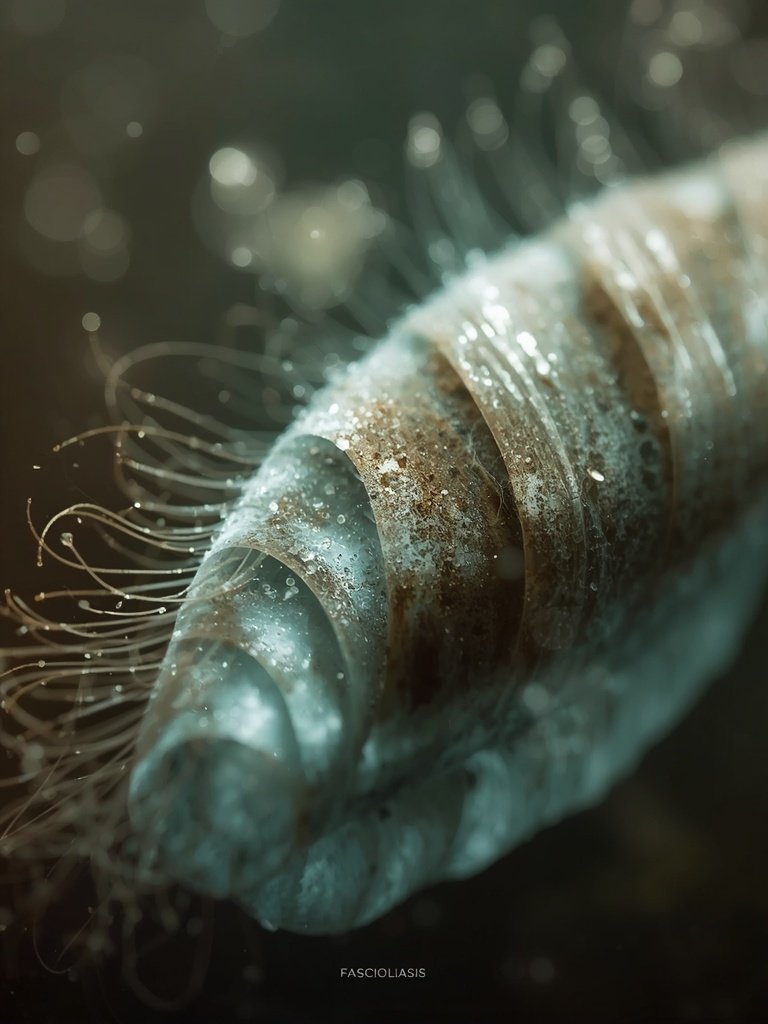

Table of Contents 3
Medical & Editorial Disclaimer (§3 Terms): This article is for informational and educational purposes only, does not constitute medical advice, diagnosis, or treatment, and is used at your own risk. Consult a qualified physician for medical conditions.
The disease progresses through two distinct clinical stages. During the acute migratory phase, immature flukes burrow through the liver tissue, triggering local inflammation, fever, upper abdominal discomfort, and marked peripheral blood eosinophilia. As the parasites mature, they enter the chronic phase, establishing residency within the biliary ducts where they can cause ongoing localized inflammation and bile duct irritation. Diagnostic evaluation shifts from early serological antibody testing and imaging to stool microscopy in the chronic stage, paving the way for effective, targeted anthelmintic medication.
Preventative strategies rely primarily on strict food safety practices and mindful dietary choices. Avoiding the consumption of unwashed or uncooked wild aquatic plants gathered from areas near livestock grazing is critical to reducing exposure risk. Additionally, utilizing properly treated drinking water helps safeguard the digestive system against parasitic ingestion, supporting long-term liver health and overall wellness.
Fascioliasis is a major foodborne zoonotic trematodiasis caused by the common liver fluke (Fasciola hepatica), which parasitizes the biliary tracts of herbivores and humans. Transmission occurs through ingestion of metacercariae encysted on emergent freshwater aquatic plants (notably wild watercress) or via untreated contaminated surface water. Pathophysiologically, the disease manifests in two distinct stages: an acute hepatic parenchymal migratory phase and a chronic ductal biliary phase. This clinical review outlines life-cycle epidemiology, diagnostic laboratory criteria, and targeted anthelmintic pharmacotherapy.
Fasciola hepatica – Biological Life Cycle and Transmission Vectors
Adult Fasciola hepatica flukes measure 20–30 mm in length with a flattened leaf-like morphology. Eggs shed via host feces into freshwater release ciliated miracidia that penetrate amphibious snail intermediate hosts (primarily Galba truncatula). Following intramolluscan asexual amplification, free-swimming cercariae emerge and encyst onto submerged vegetation as durable metacercariae. Human infection occurs via ingestion of unwashed watercress or contaminated raw water.
Clinical Spectrum – Acute Hepatic vs. Chronic Biliary Phases
The clinical course is characterized by two distinct pathophysiological phases:
- Acute (hepatic/migratory) phase: Spanning 6–12 weeks post-ingestion. Juvenile flukes excyst in the duodenum, penetrate the peritoneal cavity and hepatic capsule, burrowing destructive parenchymal tracks. It presents with acute pyrexia, right upper quadrant tenderness, hepatomegaly, urticaria, and striking peripheral blood eosinophilia (frequently 40–80%).
- Chronic (biliary) phase: Flukes mature and reside within large biliary ducts, causing mechanical obstruction, intermittent cholangitis, cholestatic jaundice, and secondary lithiasis.
Diagnostic Methodology and Evidence-Based Pharmacotherapy
In the acute stage, fecal microscopy is non-diagnostic since juvenile flukes do not produce eggs; diagnosis relies on serology (ELISA or Western Blot detecting anti-Fasciola antibodies), marked eosinophilia, and abdominal CT/ultrasound showing hypodense hepatic branching tracks. In the chronic phase, microscopic detection of operculated eggs in stool or aspirated bile confirms the diagnosis.
Pharmacological treatment: The drug of choice endorsed by the World Health Organization (WHO) is triclabendazole (10 mg/kg single or divided oral dose). Standard antihelminthics, including praziquantel and albendazole, display negligible clinical efficacy against Fasciola hepatica.
Want to apply these guidelines in your daily diet?
Our smart diet generator creates a tailored meal plan in 3 minutes based on the recommendations in this article.

mgr Tim Klein
• 23.10.2026Diets Premium Expert
Diets Premium team expert. Specializes in nutrition plans, strength sports, and training plans.