Lingonberry – varieties, medicinal properties, and traditional recipes


Table of Contents 3
Medical & Editorial Disclaimer (§3 Terms): This article is for informational and educational purposes only, does not constitute medical advice, diagnosis, or treatment, and is used at your own risk. Consult a qualified physician for medical conditions.
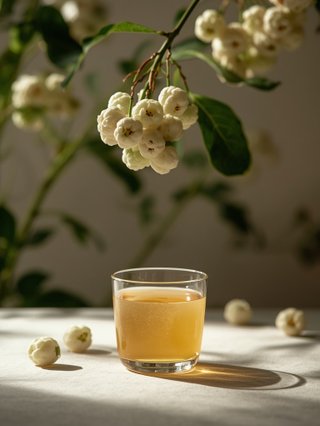
A crucial focus of the article centers on understanding both the diverse cultivars of this plant and the essential safety protocols required for consumption. Raw rowanberries contain parasorbic acid, a compound causing an astringent taste that can lead to digestive discomfort. Through proper thermal processing, such as drying, boiling, or stewing, this acid degrades into safe sorbic acid, rendering the fruit highly digestible. The text further examines how the plant's rich antioxidant profile helps mitigate oxidative stress and supports microvascular integrity.
Incorporating rowanberry into daily wellness routines is best accomplished through time-tested culinary preservation techniques. Simple preparations such as combined fruit preserves, herbal infusions, purees, and cooked decoctions allow for the safe enjoyment of these berries while preserving their nutritional spectrum. Following proper thermal guidelines ensures that home remedies and culinary creations remain both delicious and helpful for supporting long-term digestive and immune health.
Diverse cultivars of common rowan (*Sorbus aucuparia*) and their horticultural distinctions
Mountain Ash (Rowan) Properties and Applications: Health Benefits and Safety Considerations
Time-Honored Rowanberry Preservation Recipes – A Comprehensive Guide to Homemade Preparations
Want to apply these guidelines in your daily diet?
Our smart diet generator creates a tailored meal plan in 3 minutes based on the recommendations in this article.

Laura Schneider
• 23.10.2026Diets Premium Expert
Diets Premium team expert. Specializes in nutrition plans, strength sports, and training plans.