Cosmetic drugstore vs. natural: key differences in composition, skin action, and effectiveness
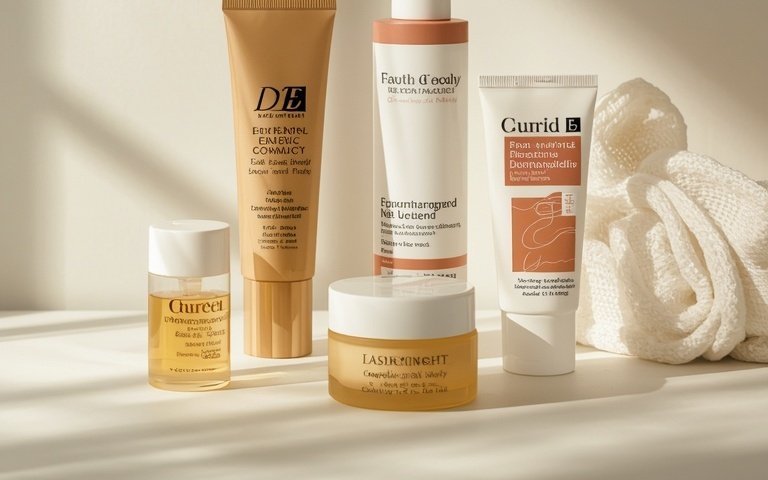
Table of Contents 3
Medical & Editorial Disclaimer (§3 Terms): This article is for informational and educational purposes only, does not constitute medical advice, diagnosis, or treatment, and is used at your own risk. Consult a qualified physician for medical conditions.
Physiological insights reveal that many mass-market products rely on synthetic additives like silicones and parabens, which may create a temporary illusion of smoothness while potentially irritating the skin or interfering with hormonal health. In contrast, natural and organic alternatives utilize bioactive plant extracts, essential oils, and minerals that work in harmony with the skin's natural processes. These products, often validated by rigorous certifications, focus on strengthening the skin's defenses without the use of artificial fragrances or harsh preservatives, making them a superior choice for those managing sensitive conditions such as eczema or rosacea.
Practical guidance for daily wellness involves transitioning toward plant-based formulations that respect the skin's biological needs. For individuals seeking to minimize their chemical exposure, prioritizing certified organic ingredients can lead to a more resilient skin barrier and reduced systemic burden. Ultimately, adopting a mindful approach to skincare encourages a shift from synthetic dependency toward holistic nourishment, ensuring that daily routines contribute positively to both dermatological health and overall environmental sustainability.
Every skincare product is designed to address specific skin needs, yet its intricate formulation—often enriched with synthetic additives or bioactive extracts—can have profound implications for both skin integrity and overall health. Many consumers overlook the critical importance of making informed choices, considering not only immediate aesthetic outcomes but also the long-term physiological effects, such as potential allergic reactions, irritation, or endocrine disruption from exposure to certain chemical compounds.
Drugstore Cosmetics: Ingredients, Synthetic Additives, and Preservatives
Drugstore cosmetics are widely popular due to their affordability, accessibility, and advertised efficacy. However, beneath the appealing packaging and enticing marketing lies a frequent reliance on synthetic ingredients that may pose risks to skin health and overall well-being. Many of these products contain parabens, silicones, fragrances, or artificial dyes, which not only disrupt the skin barrier but can also lead to long-term irritation, allergic reactions, or hormonal imbalances. Preservatives like formaldehyde or triclosan, while effective against bacteria, also increase the risk of skin irritation and systemic effects. Additionally, many drugstore cosmetics include fragrances labeled generically as „fragrance“ or „parfum,“ which can actually be blends of hundreds of individual chemical compounds capable of triggering skin sensitivities.
Natural and Organic Cosmetics: Certifications, Plant-Based Ingredients, and Benefits for Skin and Environment
Natural and organic cosmetics are gaining popularity due to their avoidance of synthetic additives and reliance on plant-based ingredients such as essential oils, herbal extracts, minerals, and essential fats. These products are typically certified by organizations like „Natrue“, „Ecocert“, or „BDIH“, ensuring adherence to strict criteria for natural ingredients and the absence of harmful chemicals. A key advantage is their skin compatibility: Without artificial fragrances, parabens, or silicones, they are particularly suitable for sensitive skin, allergy-prone individuals, or those with eczema. Additionally, they are environmentally friendly, often packaged in biodegradable materials and leaving no harmful residues. Research indicates that natural ingredients like aloe vera, shea butter, or lavender oil have anti-inflammatory properties and promote skin regeneration without compromising the skin barrier.
Direct Comparison: Natural Cosmetics vs. Drugstore Products – Which is the Better Choice?
The choice between natural cosmetics and drugstore products ultimately depends on individual needs, skin type, and ethical preferences. While drugstore products are often more affordable and widely available, natural cosmetics offer a gentler, skin-friendly alternative without harmful additives. For individuals with sensitive skin, allergies, or chronic conditions like eczema or rosacea, natural products are generally the better option as they are less likely to cause irritation and help strengthen the skin barrier. However, they tend to be more expensive and less accessible. Another advantage of natural cosmetics is their transparency: ingredients are typically clearly labeled and free from hidden chemicals. Additionally, they contribute to sustainability through eco-friendly production and packaging. For most consumers, a balanced approach might involve using natural cosmetics for sensitive areas and drugstore products for less critical applications like haircare or body lotions. It is essential to look for certifications and monitor personal skin reactions to make the best choice.
Want to apply these guidelines in your daily diet?
Our smart diet generator creates a tailored meal plan in 3 minutes based on the recommendations in this article.
Tags

mgr Felix Weber
• 23.10.2026Diets Premium Expert
Diets Premium team expert. Specializes in nutrition plans, strength sports, and training plans.