Bergamot essential oil – characteristics, action, and practical use in aromatherapy and cosmetics
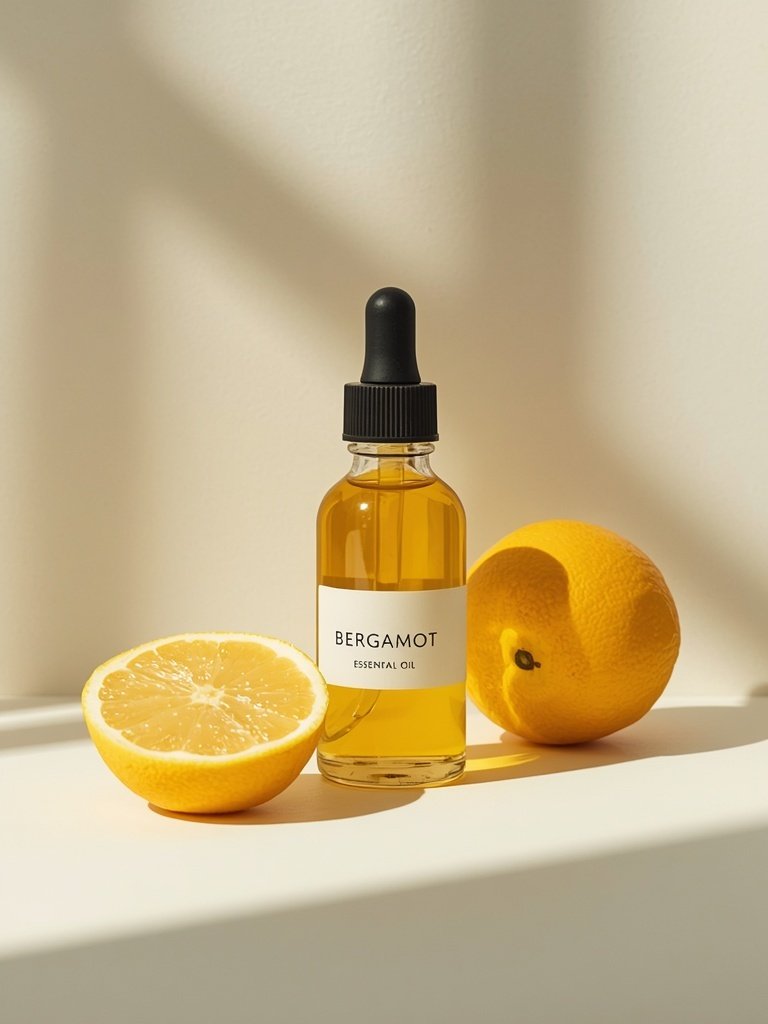
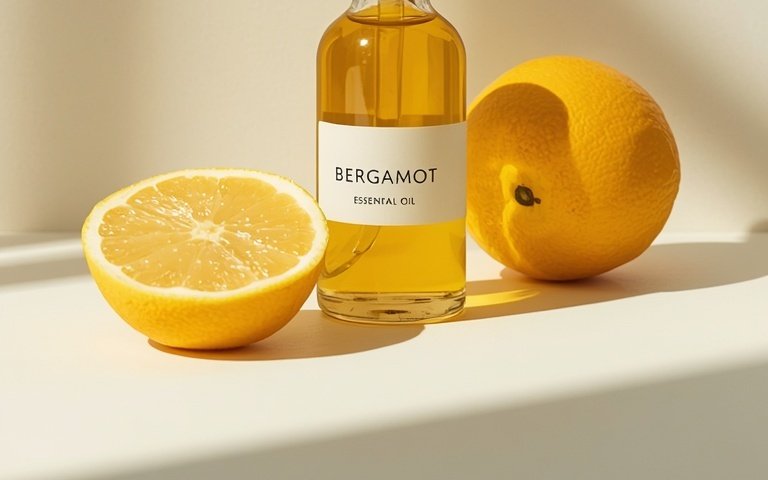
Table of Contents 3
Medical & Editorial Disclaimer (§3 Terms): This article is for informational and educational purposes only, does not constitute medical advice, diagnosis, or treatment, and is used at your own risk. Consult a qualified physician for medical conditions.
The therapeutic mechanisms of bergamot involve active compounds like linalyl acetate and limonene, which stimulate calming pathways in the brain and help lower physiological markers of stress. Beyond its aromatic benefits, the oil possesses robust antibacterial and antifungal qualities, making it highly effective for topical applications aimed at balancing oily or blemish-prone complexions. By interacting with neurotransmitter systems, it provides a holistic approach to managing emotional tension and promoting a sense of tranquility.
For safe integration into a wellness routine, it is essential to acknowledge the oil's natural phototoxicity, which requires avoiding sunlight after topical use unless a furocoumarin-free version is selected. Always dilute the concentrate in a carrier oil such as jojoba or sweet almond before applying it to the body. Whether utilized in a diffuser to enhance the atmosphere or blended into skincare, bergamot oil offers a versatile and evidence-based solution for supporting daily mental and dermatological health.
Bergamot essential oil (Citrus bergamia) represents an extraordinary botanical extract with an uplifting citrus-floral bouquet, celebrated across clinical aromatherapy and perfumery. It combines profound neurocalming actions that alleviate anxiety and emotional fatigue with potent antimicrobial and skin-purifying properties.
Botanical provenance and cold-expression extraction
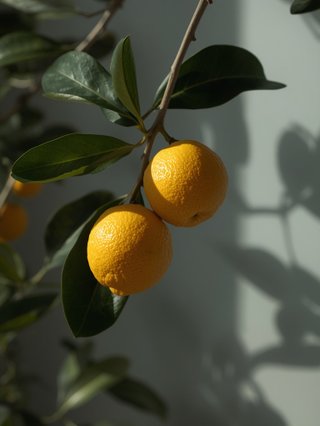
The bergamot orange (Citrus bergamia) is cultivated almost exclusively along the coastal microclimates of Calabria in Southern Italy. The finest authentic essential oil is obtained through cold-expression of the fresh outer rinds of ripe fruits.
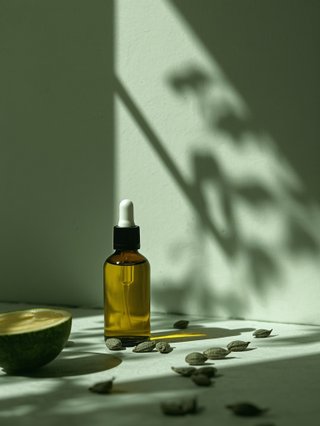
It displays an emerald-green or golden hue and a complex citrus aroma, famously celebrated as the signature flavor of Earl Grey tea.
Neurological actions and antimicrobial spectrum
The key active constituents of bergamot oil are limonene, linalyl acetate, and linalool. Inhalation stimulates calming neurotransmitter pathways, lowers salivary cortisol, and relieves acute emotional tension and anxiety.
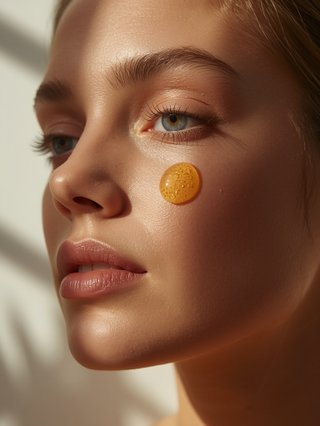
Furthermore, it exerts robust antibacterial and antifungal efficacy, assisting in the topical purification of blemish-prone and oily skin.
Safe application protocols, phototoxicity, and FCF formulations
Standard bergamot essential oil naturally contains bergapten, a furocoumarin that induces significant cutaneous phototoxicity. Consequently, skin treated with bergamot oil must not be exposed to UV light or direct sunlight for at least 12–24 hours.
For daytime cosmetic application, furocoumarin-free bergamot oil (designated Bergamot FCF) is strongly recommended. Essential oil must always be diluted in a carrier oil (such as jojoba or sweet almond) prior to topical contact.
Want to apply these guidelines in your daily diet?
Our smart diet generator creates a tailored meal plan in 3 minutes based on the recommendations in this article.
Tags

Olivia Davis
• 25.11.2026Diets Premium Expert
Diets Premium team expert. Specializes in nutrition plans, strength sports, and training plans.