Beer as a substance of dual nature: potential therapeutic benefits and health risks associated with consuming fermented grain alcohol
Table of Contents 4
Medical & Editorial Disclaimer (§3 Terms): This article is for informational and educational purposes only, does not constitute medical advice, diagnosis, or treatment, and is used at your own risk. Consult a qualified physician for medical conditions.
Physiological insights reveal that while hops provide xanthohumol—a powerful antioxidant—the metabolism of alcohol produces acetaldehyde, which is directly linked to cellular damage and oncogenesis. The article details how regular consumption disrupts sleep architecture by suppressing restorative stages, leading to cognitive fatigue despite the initial sedative effect. Furthermore, the high caloric density of fermented grain beverages contributes to visceral adiposity. On a positive note, the presence of soluble orthosilicic acid is highlighted for its role in supporting bone density, provided it is not accompanied by the dehydrating effects of alcohol.
Practical guidance emphasizes the transition toward non-alcoholic alternatives as a functional lifestyle choice. Genuine alcohol-free beverages serve as effective isotonic recovery drinks for athletes, aiding in rehydration and the reduction of inflammatory markers after endurance activities. By choosing versions devoid of ethanol, individuals can benefit from B-complex vitamins and hop polyphenols without risking dependency or liver strain. This approach allows for the enjoyment of fermented grain flavors while prioritizing long-term neurological health and metabolic stability.
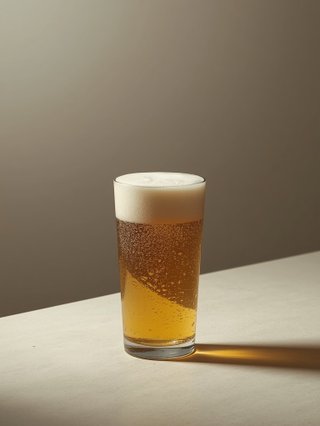
Beer, among the oldest fermented grain beverages in human civilization, sparks significant medical and nutritional discourse. While malt and hops deliver bioactive xanthohumol, soluble orthosilicic acid, and B vitamins, the presence of ethanol carries undisputed risks of hepatotoxicity, oncogenesis, and neurochemical addiction. This comprehensive article delivers an objective, evidence-based assessment of beer's biological duality.
Bioactive Constituents of Hops and Malt: Xanthohumol, Silicon, and Polyphenols
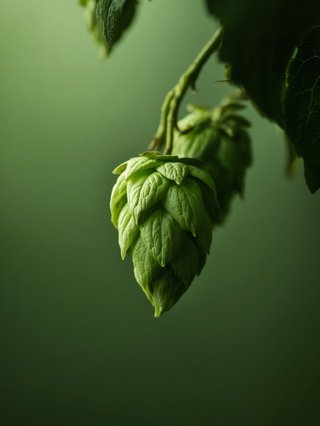
The biochemically active components in beer originate from female hop cones (Humulus lupulus) and malted cereals. Hops furnish xanthohumol—a prenylated chalcone exhibiting verified antioxidant, anti-inflammatory, and antiproliferative properties—alongside bitter alpha- and beta-acids that promote gastric secretions. Additionally, fermented beer serves as a primary dietary source of soluble orthosilicic acid, an easily assimilated silicon form that aids bone mineralization.
Ethanol Toxicity: Hepatic Metabolism, Cardiovascular Impact, and Carcinogenesis
Any potential biological merits of beer polyphenols are systematically offset by ethanol toxicity. Hepatic metabolism via alcohol dehydrogenase (ADH) generates acetaldehyde—a toxic metabolite directly implicated in DNA adduct formation and carcinogenesis (notably oral, esophageal, and breast cancers). Regular intake burdens hepatocytes, fuels metabolic hepatic steatosis, drives arterial hypertension, and promotes visceral abdominal adiposity due to high caloric density.
Neurobiology of Alcohol: Sleep Architecture Fragmentation and Addiction
Ethanol functions as a central nervous system depressant, potentiating inhibitory GABA-A transmission and antagonizing excitatory NMDA receptors. While it shortens sleep-onset latency, it severely fragments physiological sleep architecture, suppressing crucial restorative REM stages. Utilizing beer chronically for relaxation rapidly triggers neuroadaptive tolerance and physical dependence, degrading cognitive functions and emotional resilience.
Non-Alcoholic Beer (0.0%) as a Functional Post-Workout Isotonic Beverage
A modern, clinically sound alternative is genuine 0.0% non-alcoholic beer produced through vacuum dealcoholization or gentle restricted fermentation. It retains all bioactive hop polyphenols, xanthohumol, B-complex vitamins, and soluble silicon. Due to an osmolarity closely matching blood plasma alongside malt carbohydrates, non-alcoholic beer acts as an effective isotonic recovery beverage, rehydrating muscle tissue and attenuating post-exercise inflammatory markers in endurance athletes.
Want to apply these guidelines in your daily diet?
Our smart diet generator creates a tailored meal plan in 3 minutes based on the recommendations in this article.

Wojciech Wiśniewski
• 25.11.2026Diets Premium Expert
Diets Premium team expert. Specializes in nutrition plans, strength sports, and training plans.