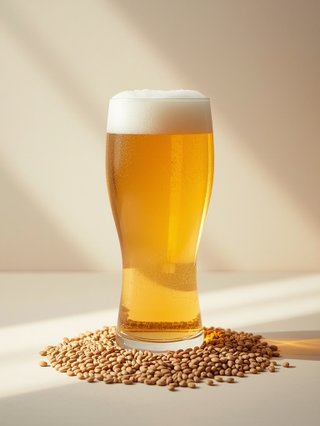
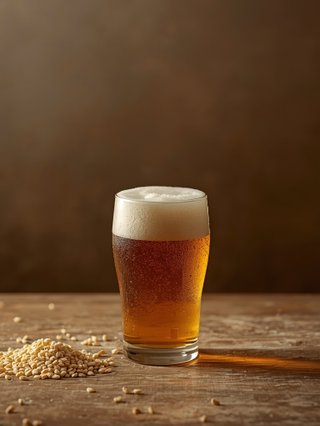
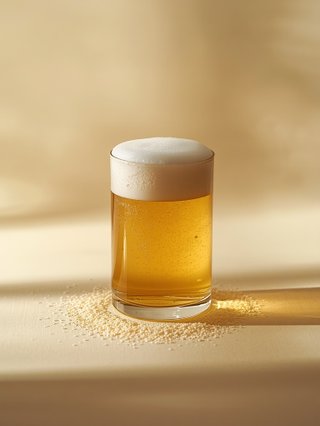
Hot beer drink for a cold – information on preparing hot beer
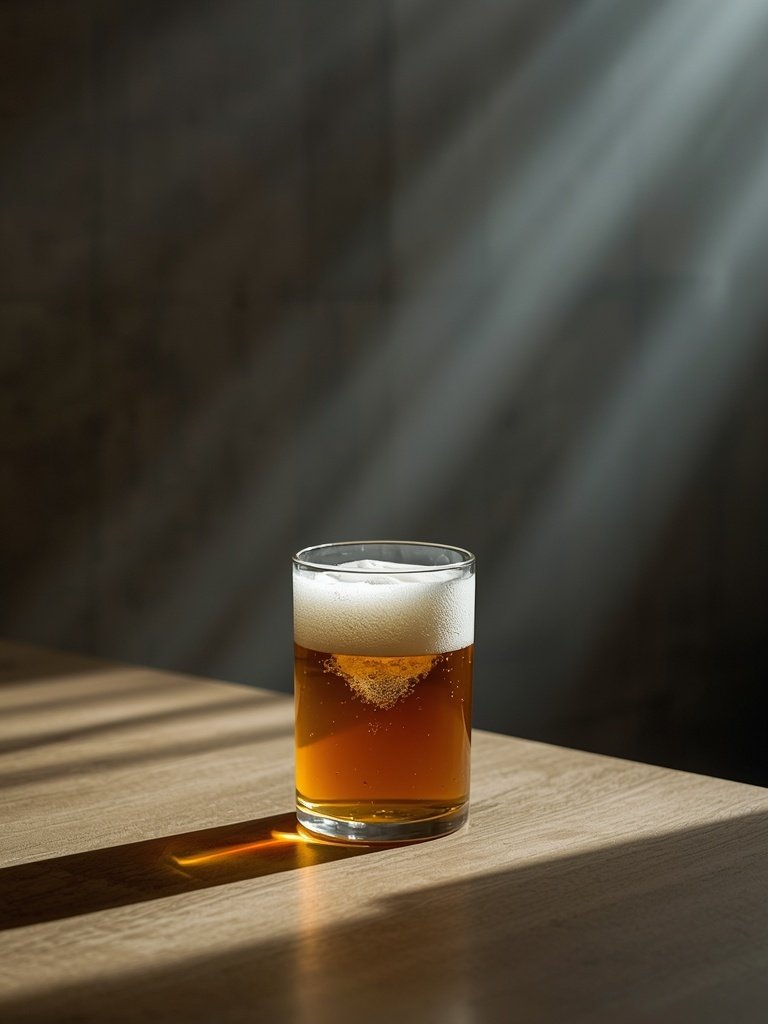
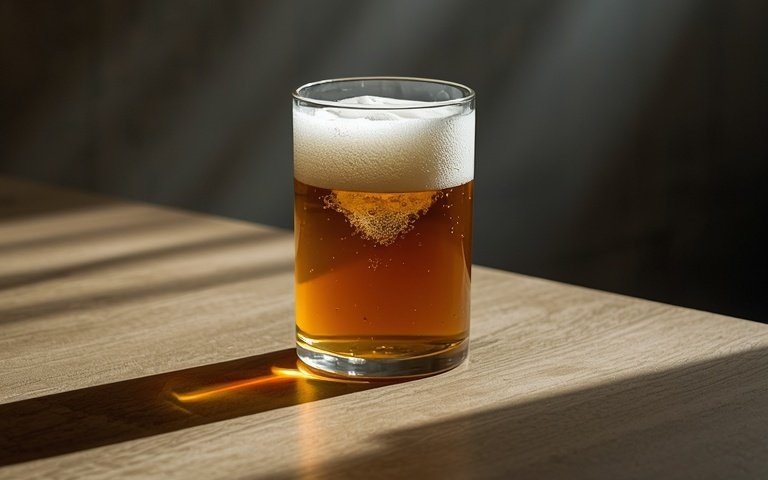
Table of Contents 8
Medical & Editorial Disclaimer (§3 Terms): This article is for informational and educational purposes only, does not constitute medical advice, diagnosis, or treatment, and is used at your own risk. Consult a qualified physician for medical conditions.
From a physiological standpoint, traditional malt beer contains natural antioxidant compounds, a spectrum of B vitamins including niacin, folic acid, pyridoxine, riboflavin, and pantothenic acid, as well as essential minerals such as calcium, iron, silicon, and potassium. Enhancing the beverage with bee honey, ginger root, cardamom, cloves, Ceylon cinnamon, nutmeg, and citrus slices introduces beneficial essential oils and bioactive compounds, while moderate intake can stimulate gastric juice secretion. Crucially, the widespread belief that heating beer completely evaporates its ethyl alcohol is scientifically unfounded, meaning the beverage retains significant alcohol content and must never be combined with pharmacological fever-reducing medications due to hazardous interactions.
When crafting a spiced hot beer at home, selecting an unpasteurized light beer provides a clean, balanced foundation that allows aromatic spices, raspberry juice, or honey to shine without interference from artificial preservatives, whereas dark beer offers a richer profile. The liquid should always be warmed gently and kept strictly below the boiling point to preserve both the delicate flavor profile and the heat-sensitive nutrients within the honey and spices. For individuals recovering from illness, taking medications, or abstaining from ethanol, preparing these traditional recipes with an alcohol-free beer base offers a safe and equally comforting seasonal alternative.
This article is professional premium content (PRO) provided in its entirety.
Mulled beer: A comprehensive analysis of nutritional content and dietary implications
Does consuming warmed beer provide relief during respiratory tract infections?
What is the actual alcohol content in traditionally heated beer?
Does the consumption of heated beer have any measurable impact on overall bodily health?
Which type of beer is most suitable for preparing a flavorful spiced hot beer?
Which ingredients can enhance the flavor of a heated beer beverage, and are there any limitations?
A Comprehensive Guide to Crafting Flavorful Hot Beer – Traditional and Contemporary Step-by-Step Recipes
FAQ: A comprehensive evidence-based guide to warmed beer as a cold and fever remedy
Does consuming warmed beer contribute to reducing fever? Indeed, this beverage may provide temporary relief in cases of mild feverish states. However, its effect is transient in nature, which means it should under no circumstances be considered a replacement for pharmacological antipyretic medications. It is categorically advised against using warmed beer if the individual has previously taken fever-reducing drugs, as the interaction between ethanol and the active compounds in these medications results in an antagonistic effect—meaning they cancel out each other’s therapeutic benefits, potentially leading to an absence of the desired physiological response.
Can warmed beer assist in the recovery process from colds and respiratory infections? This traditional remedy, when enriched with aromatic spices, unprocessed honey, or citrus fruit extracts, exhibits properties analogous to those of natural plant-based antibiotics. Its moderate yet consistent consumption may alleviate symptoms commonly associated with colds and upper respiratory tract infections, including sore throat, coughing, and general malaise. Furthermore, the bioactive compounds present in beer can contribute to the reduction of musculoskeletal discomfort and facilitate restorative processes during sleep. Nevertheless, it is crucial to emphasize that persistent or worsening symptoms necessitate consultation with a healthcare provider, as self-treatment may prove inadequate in such instances.
Scientific sources and reference materials:
1. Open encyclopedia "Wikipedia", entry: "Beer" (accessed July 19, 2024), available online at: https://en.wikipedia.org/wiki/Beer [↩]
2. "Glycemic Index Guide", portal Glycemic-Index.Net, section dedicated to fermented beverages (accessed July 19, 2024), available online at: https://glycemic-index.net/en/beer/ [↩]
3. Sanu A., Eccles R., "The effects of a hot drink on nasal airflow and symptoms of the common cold and influenza", publication in the journal "Rhinology" (December 2008, Volume 46), provided by the National Library of Medicine, PMID: 19145994 (accessed July 19, 2024), available online at: https://pubmed.ncbi.nlm.nih.gov/19145994/ [↩]
4. Denke M.A., "Nutritional and health benefits of beer", article published in "The American Journal of the Medical Sciences" (November 2000), provided by the National Library of Medicine, PMID: 11093684 (accessed July 19, 2024), available online at: https://pubmed.ncbi.nlm.nih.gov/11093684/ [↩]
5. "Medical Daily", December 2012 article titled "Beer might be effective against respiratory syncytial virus and other health benefits", available online at: https://www.medicaldaily.com/beer-might-be-effective-against-respiratory-syncytial-virus-other-health-benefits-243787 (accessed July 19, 2024) [↩]
Want to apply these guidelines in your daily diet?
Our smart diet generator creates a tailored meal plan in 3 minutes based on the recommendations in this article.

Sophia Williams
• 25.11.2026Diets Premium Expert
Diets Premium team expert. Specializes in nutrition plans, strength sports, and training plans.