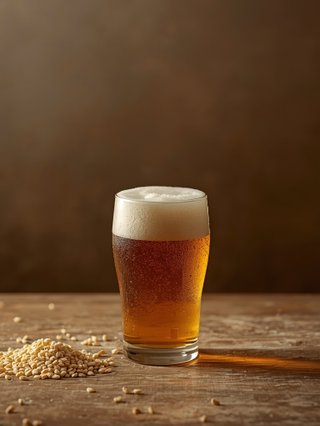
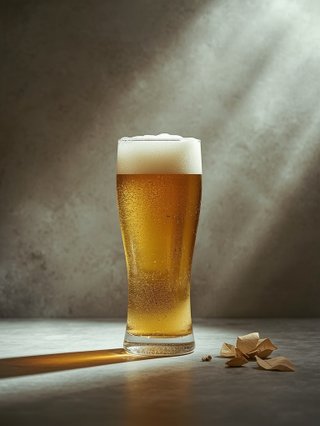
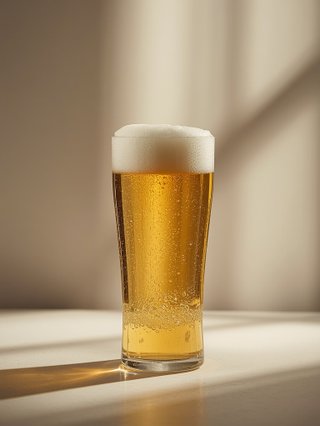
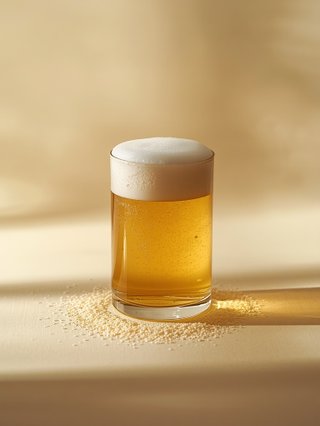
Non-alcoholic beverage made from malt grains. Can non-alcoholic beer be consumed during pregnancy and breastfeeding?
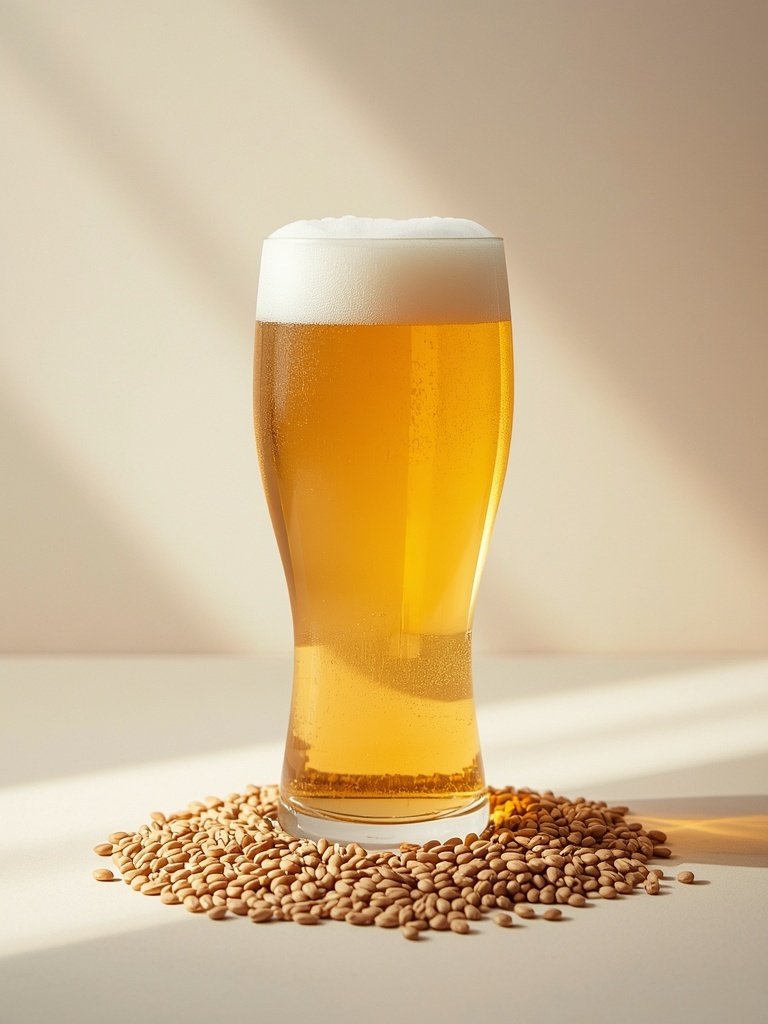
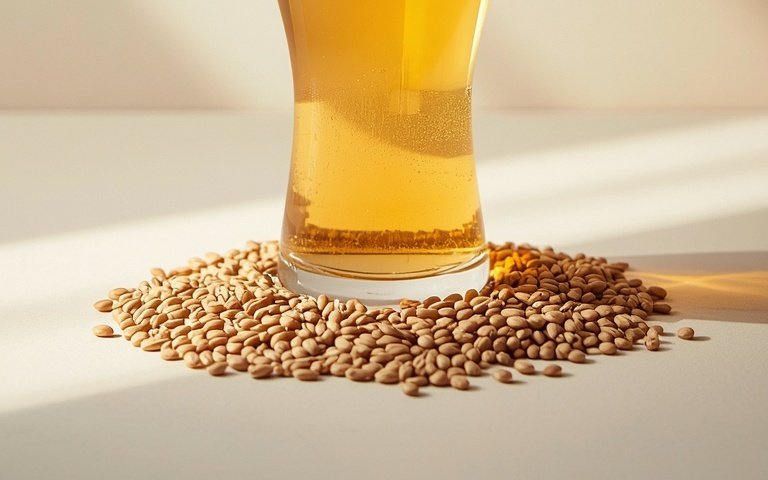
Table of Contents 3
Medical & Editorial Disclaimer (§3 Terms): This article is for informational and educational purposes only, does not constitute medical advice, diagnosis, or treatment, and is used at your own risk. Consult a qualified physician for medical conditions.
Physiologically, the article highlights that while barley-derived components like beta-glucans may support prolactin release, ethanol itself acts as an inhibitor to the milk ejection reflex by suppressing oxytocin. Beyond the hormonal impact, malted drinks offer qualitative benefits such as bioavailable silicon for connective tissues and hop-derived antioxidants like xanthohumol, which may modulate immune responses. However, the metabolic immaturity of a developing fetus means that any residual alcohol exposure can have lasting consequences, far outweighing the nutritional gains from B-vitamins found in the grain.
For daily wellness, mothers are encouraged to prioritize beverages that are guaranteed to be free of fermentation byproducts to ensure absolute safety. Focusing on hydration through pure water and nutrient-dense whole foods provides the necessary support for lactation and recovery without the risks associated with residual ethanol. When seeking the health benefits of polyphenols, incorporating a variety of colorful vegetables and fruits remains a safer and more effective strategy for both maternal health and infant development.
Alcoholic beer is a well-known beverage that we eagerly reach for on hot summer days or during family gatherings and with friends. Although beer itself contains a number of beneficial health components, including useful polyphenols, ethyl alcohol in beer does not have a positive impact on the human body and is even considered toxic!
Non-alcoholic beer – characteristics and residual alcohol content
Non-alcoholic beer serves as a popular alternative to traditional fermented beverages, offering a complex flavor profile without significant ethanol intake. It supplies valuable hop-derived polyphenols such as xanthohumol, B-complex vitamins, and bioavailable silicon that supports connective tissue and bone integrity. Clinical investigations demonstrate that dealcoholized beer can modulate immune pathways and attenuate post-exercise inflammatory markers in endurance athletes. Crucially, however, regulatory definitions across Europe allow beverages labeled as non-alcoholic to contain up to 0.5% alcohol by volume (ABV). Consequently, a 500 ml bottle may deliver up to 2.5 grams of residual ethanol, a factor of paramount importance during pregnancy.
Non-alcoholic beer during pregnancy: fetal safety considerations
Ethanol is a documented teratogen that readily crosses the placental barrier to reach the developing fetus, whose immature metabolic enzymes cannot efficiently clear the toxic metabolite. Prenatal alcohol exposure is causally linked to Fetal Alcohol Spectrum Disorders (FASD), structural dysmorphologies, and permanent neurodevelopmental impairment. The World Health Organization (WHO) and obstetrical societies maintain that there is no established safe threshold of alcohol consumption during pregnancy. Because standard 'non-alcoholic' beers (up to 0.5% ABV) carry residual ethanol, expectant mothers must exclusively choose products certified as 0.0% ABV or abstain entirely from malt-fermented drinks.
Non-alcoholic beer and breastfeeding: lactation myths vs facts
Cultural folklore often perpetuates the belief that beer enhances breast milk production. In pharmacological reality, it is not ethanol, but rather barley beta-glucans that may modestly stimulate prolactin release. Ethanol itself has the opposite effect: it suppresses oxytocin secretion, inhibiting the milk ejection reflex by up to 20% and altering milk flavor, which frequently impairs infant feeding. Furthermore, alcohol diffuses into breast milk at levels mirroring maternal blood concentrations. During the initial postpartum months of on-demand breastfeeding, maternal alcohol consumption must be strictly avoided. Certified 0.0% ABV beverages present a completely safe alternative, while any inadvertent exposure to residual alcohol requires a clearance window of at least 2 to 3 hours prior to nursing.
Want to apply these guidelines in your daily diet?
Our smart diet generator creates a tailored meal plan in 3 minutes based on the recommendations in this article.
Tags

mgr David Janitzek
• 25.11.2026Diets Premium Expert
Diets Premium team expert. Specializes in nutrition plans, strength sports, and training plans.