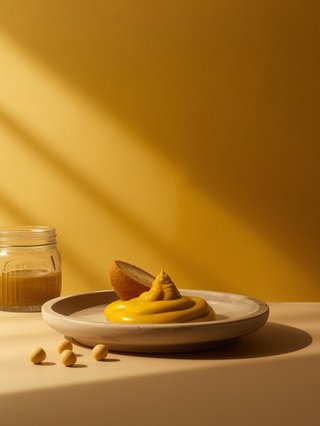
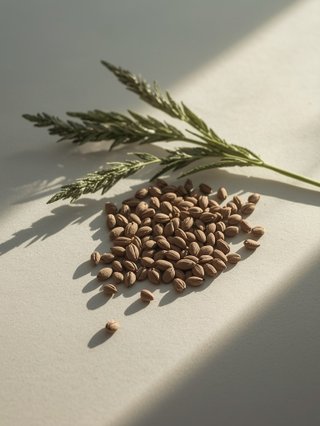
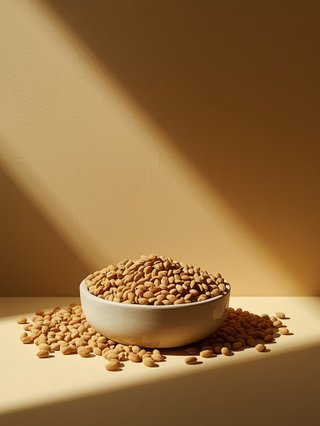
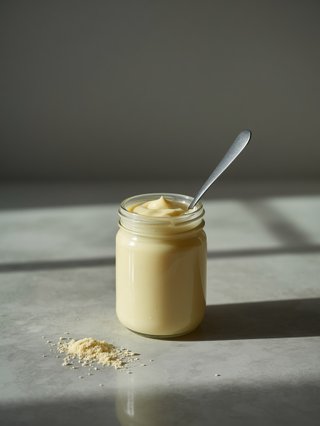
Traditional mustard – authentic flavor, varietal profiles, and culinary uses
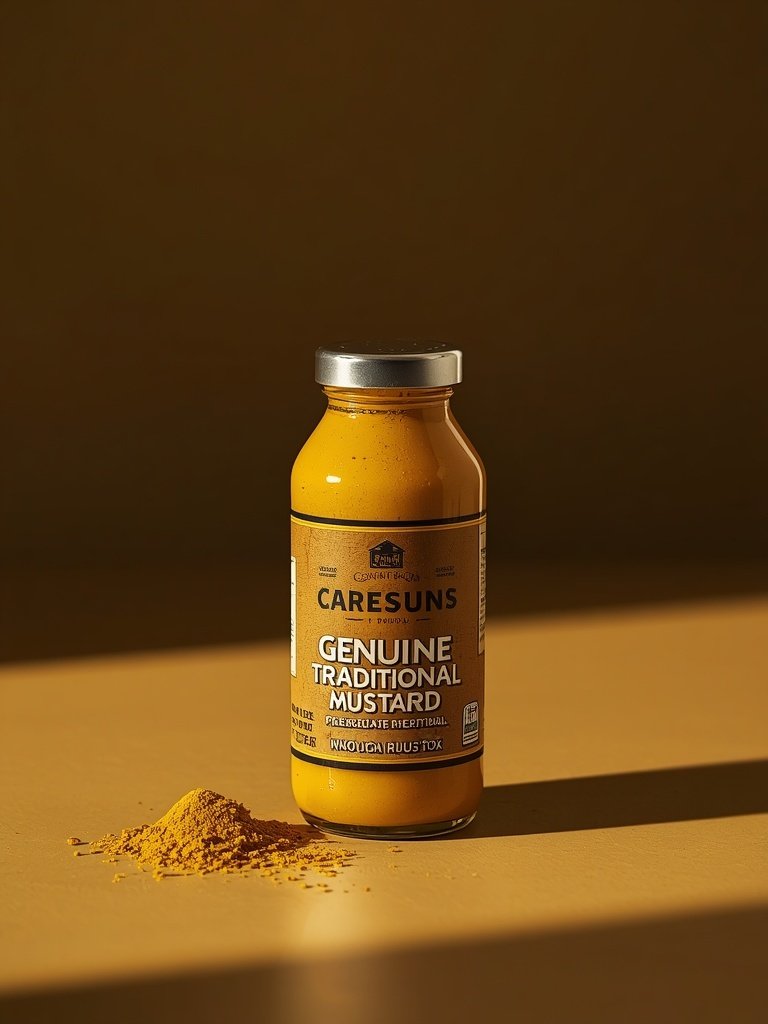
Table of Contents 3
Medical & Editorial Disclaimer (§3 Terms): This article is for informational and educational purposes only, does not constitute medical advice, diagnosis, or treatment, and is used at your own risk. Consult a qualified physician for medical conditions.
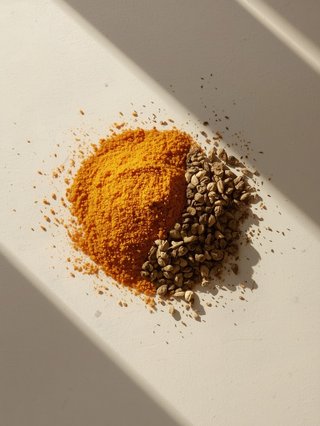
The seeds themselves hold an unexpectedly dense reserve of vital micronutrients. Selenium, for instance, is among the richest botanical sources of this element, supporting thyroid function. Furthermore, magnesium and phosphorus provide crucial ions for neuromuscular signaling and bone mineralization. Certain varieties also contain curcumin, which exhibits synergistic anti-inflammatory and hepatoprotective properties.
In practice, mustard functions not merely as a seasoning but also as a chemical facilitator. Due to the mucilage polysaccharides encasing the seeds, it acts as an exceptional plant-derived natural emulsifier, stably binding aqueous components with lipids. Additionally, the organic acids within the mustard gently hydrolyze tough collagen fibrils in meats, making it an essential component for marinating.
Authentic traditional mustard is an indispensable cornerstone of European gastronomic heritage—ranging from intensely sharp French Dijon and rustic whole-grain varieties to spicy brown and traditional mild styles. Beyond its bold sensory bouquet, mustard provides a concentrated matrix of essential minerals (selenium, phosphorus, magnesium) and protective phytonutrients. This culinary treatise examines the micro-nutritional matrix of diverse mustard varieties, comparative caloric metrics, and its functional utility as a clean-label natural emulsifier.
Nutritional Matrix – Vitamins, Trace Minerals, and Bioactive Compounds
Mustard seeds provide an unexpectedly dense reserve of essential micronutrients:
- Selenium: One of the richest dietary botanicals for selenium—two teaspoons fulfill roughly 15–20% of adult daily requirements, fortifying selenoproteins and thyroid metabolism.
- Magnesium and phosphorus: Indispensable ions regulating neuromuscular signaling and osteoid mineralization.
- Curcumin: Frequently integrated as a natural golden coloring, providing synergistic anti-inflammatory and hepatoprotective properties.
Caloric Density – Comparing Varieties from Dijon to Whole-Grain
Caloric metrics vary markedly according to seed oil fractions and sweetener additions:
- Dijon mustard: Approx. 140–160 kcal per 100 g (approx. 15 kcal/tsp), zero sugar, higher natural brassica oil fraction.
- Spicy brown / table mustard: Approx. 90–110 kcal per 100 g (approx. 10 kcal/tsp), minimal residual sugars.
- Whole-grain French mustard: Approx. 120–140 kcal per 100 g, enriched with insoluble seed coat roughage.
- Honey / sweet BBQ mustard: 180–240 kcal per 100 g driven by significant honey and sugar syrup content.
Culinary Mastery – Emulsification Chemistry and Acidic Marinades
Beyond seasoning, mustard fulfills a vital physiochemical role in gastronomy courtesy of the mucilage polysaccharides encasing mustard seeds. It acts as an exceptional plant-derived natural emulsifier, stably binding aqueous phases (vinegar, citrus juice) with lipids (olive oil) in velvety vinaigrettes. Furthermore, organic acids within mustard gently hydrolyze tough collagen fibrils in meats, making it an indispensable marinade component.
Want to apply these guidelines in your daily diet?
Our smart diet generator creates a tailored meal plan in 3 minutes based on the recommendations in this article.

Alicja Kowalska
• 23.10.2026Diets Premium Expert
Diets Premium team expert. Specializes in nutrition plans, strength sports, and training plans.