Anise – not just anise seeds: discover the unknown uses of this exotic spice


Table of Contents 5
Medical & Editorial Disclaimer (§3 Terms): This article is for informational and educational purposes only, does not constitute medical advice, diagnosis, or treatment, and is used at your own risk. Consult a qualified physician for medical conditions.
Content across the chapters delves into the complex phytochemical makeup of anise, focusing on volatile essential oils dominated by anethole. These bioactive compounds work synergistically to exert gentle antispasmodic effects on intestinal smooth muscle, alleviate digestive discomfort, and encourage secretomotor activity that clears respiratory pathways naturally. The material details these physiological mechanisms with careful scientific accuracy.
Practical guidelines within the article demonstrate how to seamlessly incorporate whole star anise or aniseed into creative savory recipes, warming herbal infusions, and mindful nutrition practices. By emphasizing proper botanical identification and mindful consumption, the text equips readers with safe, actionable knowledge to enrich their dietary habits and daily health routines.
Anise ranks among the most ancient and pharmacologically intriguing botanical spices in human history, originating in the Mediterranean basin and Southwest Asia. While often associated primarily with traditional spirits and liqueurs (such as aniseed brandy, ouzo, or arak), its true therapeutic and gastronomic potential extends far beyond alcohol. In this article, we unveil the rich phytochemical composition of anise, its antispasmodic efficacy in the digestive tract, its secretolytic action in respiratory wellness, and creative ways to incorporate it into contemporary cuisine.
Botany and Phytochemical Profile: Anethole and Essential Oils of Anise
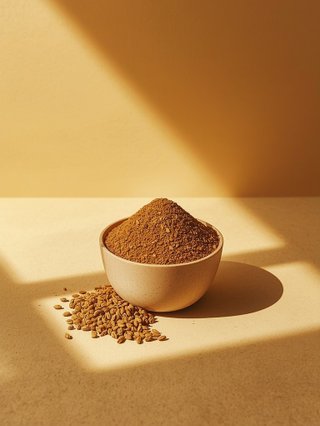
The common descriptor anise covers two distinct botanicals: aniseed (Pimpinella anisum, Apiaceae family) and star anise (Illicium verum, Schisandraceae). Their unmistakable sweet, licorice-like aroma is driven by volatile essential oils dominated by trans-anethole (accounting for up to 80–90% of total oil fraction).
Alongside anethole, aniseed yields estragole, eugenol, bioactive flavonoids (rutin, luteolin derivatives), and phenolic acids. This synergistic phytochemical complex exerts potent antimicrobial and fungicidal activities against pathogenic bacterial and candida strains.
Carminative, Antispasmodic, and Secretolytic Effects on the Digestive Tract
Aniseed has anchored pharmacopeias for centuries as a frontline therapeutic remedy for functional gastrointestinal disturbances. Its bioactive constituents exert direct spasmolytic effects on smooth intestinal musculature, easing abdominal cramping, infantile colic, and postprandial fullness.
As a classic carminative agent, it accelerates the clearance of trapped intestinal gases, alleviating meteorism and bloating. Moreover, it gently stimulates gastric juice and bile secretion, facilitating enzymatic lipid and protein breakdown.
Respiratory System Support: Expectorant and Antibacterial Properties
Within respiratory herbal therapeutics, anise is a renowned secretomotor and expectorant agent. Inhaled or ingested anise volatiles mildly stimulate bronchial mucosal chemoreceptors, increasing ciliary beat frequency and thinning tenacious mucus plugs.
This facilitates productive expectoration during tracheobronchitis, laryngitis, and common upper respiratory catarrhs. Concurrently, its intrinsic antimicrobial actions suppress bacterial colonization in the airways, while steam inhalation relieves paranasal congestion.
Culinary Applications in Healthy Cuisine: From Savory Dishes to Herbal Infusions
Beyond festive gingerbread baking, anise holds an esteemed place in modern savory wellness gastronomy. Added to brassica vegetables, legumes (lentils, chickpeas), or hearty braises, it offsets flatulence while imparting nuanced oriental warmth.
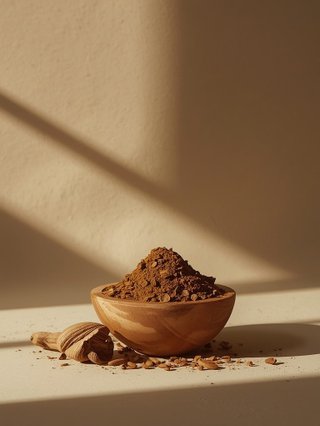
Whole star anise pods are the structural soul of Vietnamese Pho broth and Chinese Five Spice seasoning. On a daily basis, an aromatic anise tea brewed with fresh ginger slices, ceylon cinnamon, and raw honey serves as an invigorating digestive tonic.
Precautions, Species Distinctions, and Contraindications in Phytotherapy
When utilizing aniseed products, botanical verification is critical. Crucially, edible Chinese star anise (Illicium verum) must never be adulterated with Japanese star anise (Illicium anisatum), which harbors potent neurotoxic anisatin and is toxic to humans.
Individuals with known allergies to Apiaceae botanicals (celery, fennel, mugwort) may demonstrate cross-reactivity. Due to mild phytoestrogenic properties of concentrated anethole, pure essential oil should be avoided during pregnancy and in hormone-sensitive oncological profiles.
Want to apply these guidelines in your daily diet?
Our smart diet generator creates a tailored meal plan in 3 minutes based on the recommendations in this article.

mgr Mateusz Pawlak
• 23.10.2026Diets Premium Expert
Diets Premium team expert. Specializes in nutrition plans, strength sports, and training plans.