Spices for mulled wine when you have a cold – how to make mulled wine?
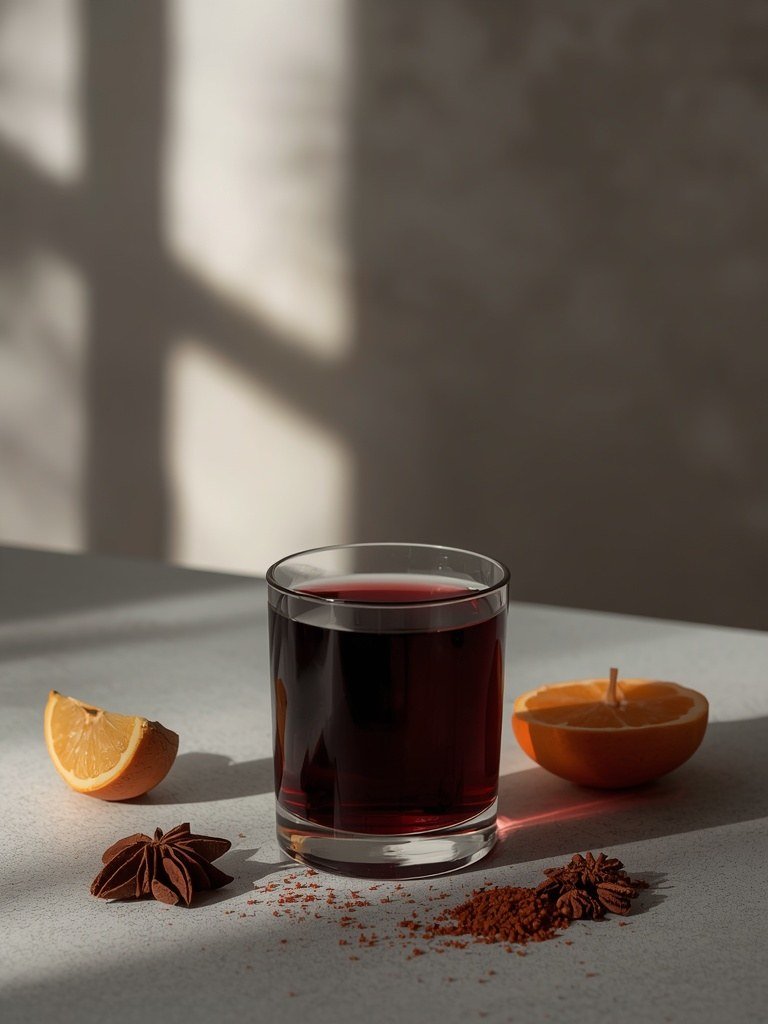

Table of Contents 3
Medical & Editorial Disclaimer (§3 Terms): This article is for informational and educational purposes only, does not constitute medical advice, diagnosis, or treatment, and is used at your own risk. Consult a qualified physician for medical conditions.
From a physiological standpoint, the infused beverage provides a rich array of polyphenols and plant-derived bioactive compounds that exhibit thermogenic and vasodilatory properties. The chapters detail how the warming infusion promotes diuretic and sudorific activity, gently assisting the body in eliminating metabolic waste products through perspiration and normal fluid excretion. Furthermore, the polyphenolic composition combined with aromatic spices may help bolster the body's innate defenses against upper respiratory challenges while contributing to a pleasant, mood-enhancing sense of relaxation.
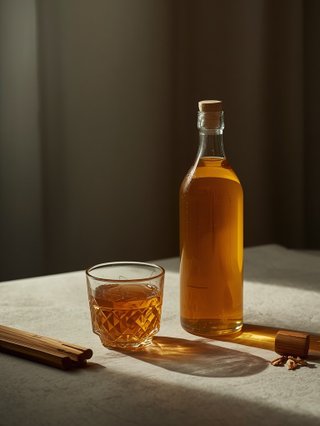
Preparing a classic batch of mulled wine at home requires no complex culinary skills and relies on combining dry red wine with Ceylon cinnamon sticks, whole cloves, liquid honey, and fresh juicy orange. The essential technique involves heating the mixture gently without boiling so that the delicate volatile oils and beneficial compounds infuse smoothly into the liquid. Because of its pronounced warming and perspiratory effects, this traditional beverage should ideally be enjoyed in a warm, sheltered indoor setting while always maintaining mindful moderation regarding alcoholic drinks.
Spiced mulled wine with cardioprotective, anti-inflammatory, and metabolic regulatory properties
Mulled wine as a traditional home remedy for cold symptoms and immune system reinforcement
Classic Mulled Wine Recipe: A Step-by-Step Home Preparation with Spiced Infusions
Want to apply these guidelines in your daily diet?
Our smart diet generator creates a tailored meal plan in 3 minutes based on the recommendations in this article.
Tags

mgr Literatura: I. Mudnić, D. Budimir:”Thermally Treated Wine Retains Vasodilatory Activity in Rat and Guinea Pig Aorta.” Journal of Cardiovascular Pharmacology. 57(6):707-711, JUN 2011. A. Koszowska, A. Dittfeld, J. Nowak, K. Ziora: „Pszczoły i ich produkty – znaczenie dla zrównoważonego rozwoju roślin, zwierząt i ludzi”, Medycyna Środowiskowa – Environmental Medicine 2013, Vol. 16, No. 2, 79-84 J. Muszyński: „Ziołolecznictwo i leki roślinne.(Fytoterapia).”, Wydawnictwo Prawnicze i Naukowe, Warszawa, 1951.
Diets Premium Expert
Diets Premium team expert. Specializes in nutrition plans, strength sports, and training plans.