What tasks can be performed using chestnuts? Chestnut characteristics
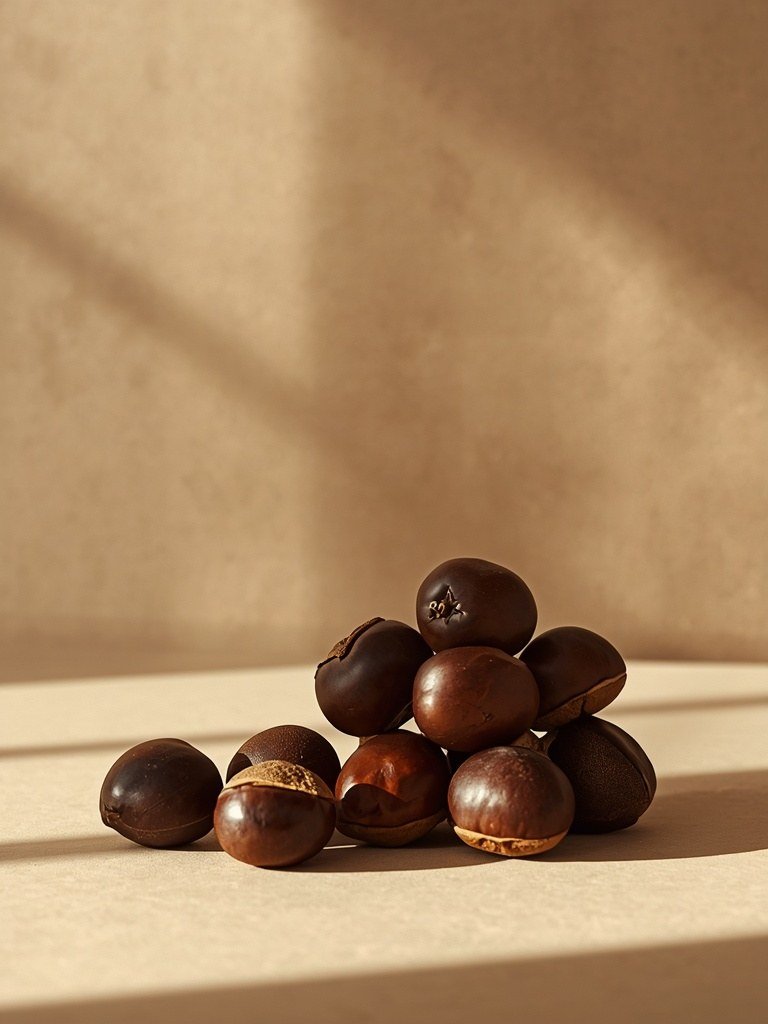
Table of Contents 4
Medical & Editorial Disclaimer (§3 Terms): This article is for informational and educational purposes only, does not constitute medical advice, diagnosis, or treatment, and is used at your own risk. Consult a qualified physician for medical conditions.
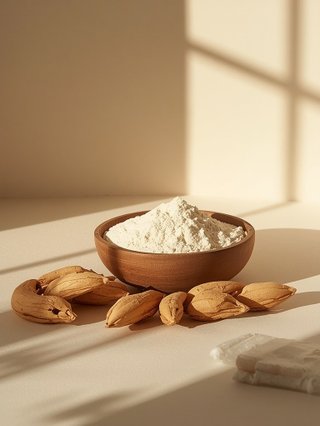
Chestnuts are notable for their gluten-free nature, which provides an appealing consistency and makes them a complete cereal substitute. Furthermore, chestnuts possess high potential as a functional food or food additive, as their polyphenolic extracts are natural sources of antioxidants. The processing of chestnuts aims to improve their organoleptic properties, nutritional value, and shelf life, and they are also utilized in the production of dietary supplements with health-supporting benefits.
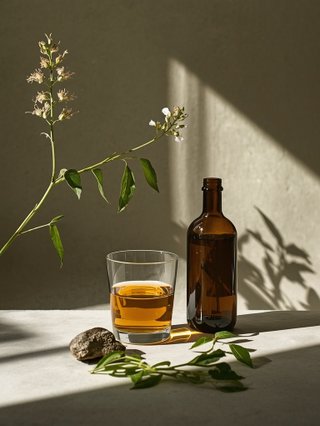
For daily use, chestnuts can be prepared in various ways, from incorporation into meals to the creation of extracts. An example is the preparation of a chestnut infusion, made by steeping lightly peeled and cut chestnuts in vodka. Extracts from chestnut seeds may also support the circulatory system, for instance in cases of chronic venous insufficiency, highlighting the versatile health applications of this fruit.
The properties of chestnuts
What can you do with chestnuts?
It's a chestnut stew
Extract from the chestnut to drink
Want to apply these guidelines in your daily diet?
Our smart diet generator creates a tailored meal plan in 3 minutes based on the recommendations in this article.

Literatura: De Vasconcelos M. C., Bennett R. N. i in., Composition of European chestnut (Castanea sativa Mill.) and association with health effects: fresh and processed products. J Sci Food Agric. 2010 Aug 15;90(10):1578–89, Pittler M.H., Ernst E., Horse chestnut seed extract for chronic venous insufficiency. Cochrane Database Syst Rev. 2012 Nov 14;11:CD003230.
Diets Premium Expert
Diets Premium team expert. Specializes in nutrition plans, strength sports, and training plans.