Ciekły ekstrakt chlorofilowy: właściwości, naturalne źródła, preparaty oraz bezpieczeństwo stosowania

| Ekspert Diets Premium Mateusz Pawlak | min czytania 6 min | Zweryfikowane merytorycznie przez dietetyka klinicznego 23.10.2026 |
Odtwarzacz głosowy
•Odsłuchaj treść artykułu na żywo
Ciekły chlorofil zyskał ogromną popularność jako naturalny suplement wspomagający detoksykację, hematopoezę oraz kondycję skóry. W niniejszym artykule analizujemy budowę biochemiczną chlorofiliny, jej podobieństwo do ludzkiej hemoglobiny, potwierdzone naukowo korzyści prozdrowotne oraz zasady bezpiecznego dawkowania.
Chcesz wdrożyć te zasady w codziennej diecie?
Nasz inteligentny generator ułoży dla Ciebie zbilansowany jadłospis w 3 minuty, uwzględniając zalecenia z tego artykułu.
Ten artykuł jest profesjonalnym materiałem merytorycznym (PRO) udostępnionym w całości.
Chlorophyll: Characteristics and chemical structure
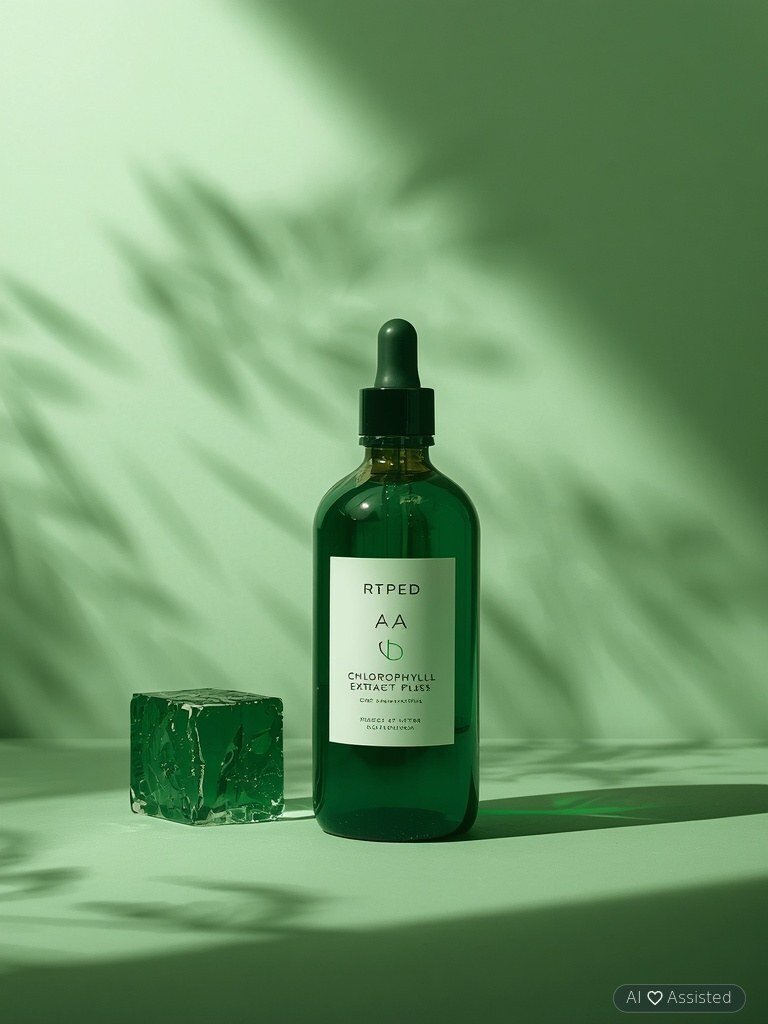
Chlorophyll is the ubiquitous green photosynthetic pigment found in plants, algae, and cyanobacteria. Biochemically, its molecular architecture consists of a porphyrin ring coordinating a central magnesium ion (Mg²⁺). This tetrapyrrole structure bears an uncanny resemblance to human heme in hemoglobin, with the sole difference being the central coordinated metal (iron in heme versus magnesium in chlorophyll). Because natural chlorophyll is lipophilic and labile when exposed to light and oxygen, commercial liquid supplements utilize chlorophyllin—a semi-synthetic, water-soluble sodium-copper salt that exhibits enhanced biological stability.
Health-promoting properties of chlorophyll
The documented therapeutic benefits of liquid chlorophyllin span multiple biological systems. Foremost is its potent antioxidant action: chlorophyllin neutralizes free reactive oxygen species and intercepts planar aromatic environmental carcinogens (such as polycyclic aromatic hydrocarbons and aflatoxins) within the gut lumen, preventing their absorption. Furthermore, clinical trials indicate that chlorophyllin stimulates erythropoiesis, promoting healthy red blood cell synthesis in mild nutritional anemias. Applied topically or taken internally, it promotes wound healing, suppresses skin inflammation, reduces acne lesions, protects dermal fibroblasts from ultraviolet photoaging, and acts as an effective systemic deodorizer.
Chlorophyll preparations: Liquid chlorophyllin supplements
Liquid chlorophyll preparations are primarily extracted from concentrated alfalfa (Medicago sativa) or dark leafy cultivars. In liquid form, chlorophyllin offers rapid bioavailability when diluted in a glass of water. A standard therapeutic serving typically delivers 100 to 300 mg of sodium-copper chlorophyllin. High-quality liquid formulations avoid synthetic preservatives and artificial flavorings, relying instead on natural peppermint oil or citrus extracts to enhance palatability.
Dosage, safety profile, and potential side effects
When used as directed, liquid chlorophyll boasts an exemplary safety profile. The recommended daily dosage ranges from 100 mg to 300 mg daily, ideally divided with meals. Minor, harmless side effects may include a temporary greenish discoloration of urine and stool or mild transient digestive softening. Pregnant and lactating women should consult their physician before use due to limited clinical safety data in these populations. Overdosing should be avoided to prevent gastrointestinal cramping.
Tagi

mgr Mateusz Pawlak
✓Ekspert Diets Premium
Ekspert zespołu Diets Premium. Specjalizuje się w planach żywieniowych, sportach siłowych oraz planach treningowych.
Zobacz profil →