






Regeneration and Natural Therapies • CLINICAL PROTOCOL

Fasting Protocols

Personalized, evidence-based nutrition guidelines (EBM) dedicated to Fasting Protocols. Balanced macronutrients, micronutrition, and elimination of pro-inflammatory factors.

Fasting Protocols
HOW TO START

It's Easy to Start Today!

Eat Healthy

Precisely selected nutrients supporting metabolic balance and tissue regeneration.

Workout Hard

Physical activity safely tailored to your clinical conditions and baseline endurance.

Enjoy Your Life

Psychoemotional balance, restful sleep, and stress reduction as indispensable pillars of recovery.

SERVICES & PROTOCOLS
Personal Health Program

Personal Health Program

Dedicated medical nutrition therapy and dietary protocols for Fasting Protocols.

Personal Fitness Trainer

Personal Fitness Trainer

Tailored workout plan and physical exercise supporting therapy.

Wellness Counseling

Wellness Counseling

Specialist support and continuous monitoring of health progress.

Diet Programs

Diet Programs

Precise calculation of BMR, TDEE, and micronutrient balance.

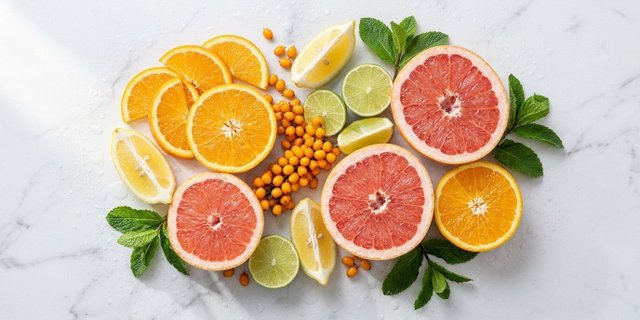
Refreshing Citrus Background
FREE RECOMMENDATIONS

Change Your Health in One Day!

Special Program for Sensitive Nutrition
POPULAR PROGRAMS & CLINICAL PROTOCOLS

Special Program for Sensitive Nutrition

Individually formulated nutrition protocols for individuals managing specific metabolic and allergic requirements in Fasting Protocols.

Allergen exclusion, gut microbiota support, and optimization of carbohydrate-lipid metabolism.

8
Programs
161
Happy Customers
7
Awards
117
Success Stories

Other Groups in Category: Regeneration and Natural Therapies

Articles and Guides in — Fasting Protocols

Publications, recommendations, and clinical analysis in Fasting Protocols

30 publications
What to eat in the evening: list of recommended and forbidden foods for dinner – rules for healthy eating before sleep

What to eat in the evening: list of recommended and forbidden foods for dinner – rules for healthy eating before sleep

Dinner is arguably surrounded by more persistent nutritional myths than any other daily meal—ranging from arbitrary curfews such as never eating after 6:00 PM to severe nocturnal fasts that inevitably prompt midnight refrigerator binges. Chronobiology and metabolic science conclusively demonstrate that what matters most is not an inflexible clock time, but macronutrient balance and digestibility relative to bedtime. A well-planned dinner supports overnight cellular repair, facilitates melatonin synthesis, stabilizes nocturnal glycemia, and avoids gastrointestinal strain for deep restorative sleep.


Intermittent Fasting – definition, mechanisms of action, and scientific basis of a dietary strategy based on time-restricted food intake

Intermittent Fasting – definition, mechanisms of action, and scientific basis of a dietary strategy based on time-restricted food intake

In an era where evidence-based nutrition and sustainable body composition management dominate health discourse, intermittent fasting (IF) has emerged as one of the most scientifically validated dietary paradigms. Unlike traditional calorie-restrictive diets or macronutrient-exclusion protocols, IF shifts focus to temporal eating patterns, optimizing metabolic flexibility through cyclical feeding and fasting windows. This approach leverages endogenous biochemical pathways—such as ketogenesis, autophagy, and hormonal recalibration—to enhance fat oxidation, cellular repair, and long-term metabolic health. Its clinical relevance spans weight management, metabolic syndrome mitigation, and even neurodegenerative disease prevention, making it a cornerstone of modern nutritional science.

Post-water: mechanism of action, risks, and health benefits

Post-water: mechanism of action, risks, and health benefits

Water fasting has emerged as a controversial yet increasingly popular approach to weight loss, raising critical questions: Can it deliver sustainable results without compromising essential nutrient intake? Or does it harbor hidden risks that may undermine short-term gains over the long term? While proponents tout its benefits as a radical detoxification method, medical professionals caution against its potential dangers—particularly for individuals with pre-existing conditions or metabolic disorders. This article explores the scientific mechanisms, potential benefits, and critical considerations surrounding water fasting. Learn how it works, who may benefit, and when it should be avoided entirely.

Elevated amylase level – diagnosis, dietary recommendations, and differentiation of pancreatic diseases

Elevated amylase level – diagnosis, dietary recommendations, and differentiation of pancreatic diseases

Amylase is a key digestive enzyme responsible for cleaving dietary starches into oligosaccharides, produced primarily by pancreatic acinar cells and salivary glands. Elevated serum or urinary amylase demands systematic differential diagnosis. This clinical overview reviews causes of hyperamylasemia, lipolytic differentiation, and therapeutic pancreatic dietary management.

Wheat bran as a byproduct of wheat milling – nutritional profile, fiber, and clinical application

Wheat bran as a byproduct of wheat milling – nutritional profile, fiber, and clinical application

Residual materials generated during the mechanical separation of seed coats from wheat kernels comprise a composite mixture of glume fragments, pericarp membranes, and fine particulate matter originally enveloping the seeds. These fractions are obtained both in the preliminary abrasive processing of grains intended for wheat flour or groat production and in subsequent milling stages, where—due to their fiber content and potential contaminants—they are systematically removed as undesirable components that compromise the purity and refinement of the final milled product. Although the cereal processing industry categorizes them as low-value technological waste with limited commercial applicability, contemporary clinical nutrition science emphasizes their rich composition of dietary fiber, bioactive phenolic compounds, and trace minerals, positioning them as a valuable nutritional adjunct in the prevention and adjunctive management of diverse pathological conditions, including metabolic disorders and gastrointestinal diseases.

Marshmallow oil – medicinal properties, joint regeneration, allantoin, and safe external use

Marshmallow oil – medicinal properties, joint regeneration, allantoin, and safe external use

Comfrey (Symphytum officinale) has been esteemed since antiquity as a preeminent botanical remedy for musculoskeletal repair. Comfrey-infused oil, prepared via traditional maceration of fresh roots in a nourishing carrier oil, is rich in allantoin, rosmarinic acid, and tannins. It relieves joint and spinal discomfort, accelerates soft tissue healing, and restores damaged skin, provided it is strictly utilized for topical applications only.

Flaxseed oil in weight loss. Using flaxseed oil before meals

Flaxseed oil in weight loss. Using flaxseed oil before meals

Cold-pressed flaxseed oil, derived from the seeds of flax (Linum usitatissimum), stands as the undisputed champion among botanical omega-3 sources. Over 50% of its fatty acid matrix comprises essential alpha-linolenic acid (ALA). The traditional practice of ingesting a spoonful of cold flaxseed oil on an empty stomach prior to breakfast is firmly substantiated by nutritional science: it stimulates gastrointestinal motility, promotes gallbladder emptying, triggers satiety hormones, and optimizes hepatic fat oxidation.

Lymphedema – therapeutic methods, dietary recommendations, and natural ways to alleviate symptoms at home

Lymphedema – therapeutic methods, dietary recommendations, and natural ways to alleviate symptoms at home

It is essential to emphasize that lymphatic edema does not constitute a distinct pathological entity but rather serves as a symptomatic manifestation of underlying lymphatic system dysfunction—consequently, therapeutic interventions primarily focus on alleviating discomfort and enhancing the patient’s quality of life. The etiologic spectrum of this condition is broad, encompassing mechanical factors such as traumatic injuries or surgical procedures, as well as pathological processes, including inflammatory states, infections, and malignant neoplasms. Medical literature categorizes two fundamental types of edema: primary, which is genetically predetermined and may manifest at any stage of life, and secondary, arising from acquired impairments—such as post-radiation complications, chronic venous insufficiency, or obesity-related sequelae.

Optimizing Glycemia Through Low Glycemic Index Foods in the Diet of Endurance Athletes

Optimizing Glycemia Through Low Glycemic Index Foods in the Diet of Endurance Athletes

The nutritional framework for athletes engaged in endurance disciplines incorporates a range of foundational components whose comprehension facilitates effective metabolic regulation. Among these, the glycemic index (GI) of consumed foods emerges as a pivotal factor, playing a critical role in blood glucose modulation, the optimization of the body’s energy resource utilization, and the enhancement of athletic performance outcomes. Its judicious application enables precise tailoring of dietary intake to individual physiological demands, thereby fostering improvements in endurance capacity and post-exertion recovery efficiency. Understanding and strategically utilizing the GI can stabilize energy levels, delay fatigue, and accelerate recovery, which is paramount for athletes in sports such as running, triathlon, and cycling.

Insomnia – causes, neurobiology of sleep, circadian hygiene principles, and phytotherapy in the treatment of insomnia

Insomnia – causes, neurobiology of sleep, circadian hygiene principles, and phytotherapy in the treatment of insomnia

Chronic insomnia afflicts approximately 30–40% of modern populations, representing a major independent risk factor for cardiovascular disease, major depressive disorder, and metabolic dysregulation. Characterized by prolonged sleep onset latency, frequent nocturnal awakenings, or non-restorative sleep, it demands comprehensive clinical evaluation. This guide reviews the neurobiology of sleep-wake cycles (suprachiasmatic nucleus, HPA axis, melatonin secretion), evidence-based behavioral sleep hygiene, and validated botanical medicines (valerian root, hops, passionflower, lemon balm).

The fundamental flaw of intermittent fasting – why short calorie restrictions can do more harm than good

The fundamental flaw of intermittent fasting – why short calorie restrictions can do more harm than good

Over the past several years, there has been a marked surge in interest surrounding diverse dietary frameworks centered on severe energy intake restriction, frequently marketed under the labels of "cleansing" or "detoxifying" regimens. While these approaches are routinely praised for their purported metabolic benefits and the pervasive myth of "rapid weight loss," their practical implementation carries substantial systemic risks. The present examination focuses on pinpointing the critical deficiency that undermines the efficacy of short-term fasting protocols—a mechanism that is frequently overlooked in mainstream nutritional discourse despite its profound implications for metabolic health.

Oral glucose tolerance test (OGTT) in pregnancy: procedure, preparation, norms, and complications

Oral glucose tolerance test (OGTT) in pregnancy: procedure, preparation, norms, and complications

The 75 g 2-hour Oral Glucose Tolerance Test (OGTT) represents the clinical gold standard for universal screening of Gestational Diabetes Mellitus (GDM). Placental hormones (including human placental lactogen, progesterone, and cortisol) induce progressive maternal peripheral insulin resistance during the second and third trimesters. When pancreatic beta-cell reserve fails to compensate, maternal hyperglycemia ensues, crossing the placental barrier. This comprehensive clinical guide details testing timelines, mandatory pre-test carbohydrate intake, standardized diagnostic cutoff values (IADPSG/WHO criteria), and perinatal health implications.

Diets for type 1 and type 2 diabetes don't have to be monotonous!

Diets for type 1 and type 2 diabetes don't have to be monotonous!

Cells in the body demand energy derived from glucose metabolism. In a healthy metabolic system, excess glucose is stored in the liver and used during fasting periods. The hormone insulin, synthesized in the pancreas by β cells, is pivotal in this process. This hormone is vital for cells to uptake glucose from the bloodstream. In the absence of insulin, cells are unable to perform their functions properly.

What are the best nutrition methods after childbirth?

What are the best nutrition methods after childbirth?

Throughout pregnancy and childbirth, a woman's body undergoes significant physiological changes that heighten the demand for nutrients and energy. Proper nutrition during this period not only supports recovery but also safeguards the mother's health. Given the physical and hormonal demands of delivery, maintaining a nutrient-rich diet post-birth is crucial for restoring vitality and facilitating tissue repair.

Nutrition after a Cesarean section

Nutrition after a Cesarean section

A cesarean section is a surgical procedure that necessitates proper post-operative care. A well-structured post-cesarean diet is crucial for recovery and ensuring optimal health for both mother and child. It facilitates the delivery of essential nutrients to the body and helps prevent potential complications that may arise following the surgery. What foods are recommended during this period?

Gallbladder removal diet – key principles, allowed and forbidden foods, consequences

Gallbladder removal diet – key principles, allowed and forbidden foods, consequences

The gallbladder stores bile produced by the liver, which contains cholesterol, bile acids, and lecithin in balanced proportions. Bile facilitates fat digestion, aiding energy metabolism. Following gallbladder removal, excess bile cannot be stored, necessitating a diet that is easily digestible and low in fat.

Dr. Dąbrowska's Diet - Weight Loss Results. Completing the Final Steps in Dr. Dąbrowska's Diet

Dr. Dąbrowska's Diet - Weight Loss Results. Completing the Final Steps in Dr. Dąbrowska's Diet

Dr. Dąbrowska's dietary regimen, also referred to as the fruit and vegetable diet, is characterized by the author as a therapeutic fasting cleanse. According to its principles, it aims to eliminate harmful deposits in the body and enhance overall well-being. Weight loss is merely an ancillary outcome of this treatment. What results can be anticipated from adhering to the fruit and vegetable diet, and what steps should be taken following the conclusion of the fasting period?

Biblical nutrition - principles, products, benefits, and potential side effects

Biblical nutrition - principles, products, benefits, and potential side effects

Follow and nourish yourself... with what sustained the ancient Israelites. Kefir, lamb meat, and bread made from meticulously sifted grains are just a few components of the biblically inspired diet. Plus, the promise of shedding 10 pounds in 40 days - certainly not through fasting. Should we trust such claims or maintain a healthy skepticism?

5:2 Fasting Diet – Principles, Effects, and Sample Recipes

5:2 Fasting Diet – Principles, Effects, and Sample Recipes

Periodic caloric restriction, in whatever form, has been a part of human existence since time immemorial. Scientific research seeks to elucidate the physiological processes that occur during fasting and the potential benefits it may offer. Despite the fact that extreme dietary restrictions resulting in more than 40% weight loss are fatal, approaches such as intermittent fasting, the 50:50 diet, or the Mosley plan are gaining traction.

Types of fasting: qualitative, quantitative, and therapeutic

Types of fasting: qualitative, quantitative, and therapeutic

The practice of abstaining from food consumption has deep historical roots. In antiquity, Galen, the renowned Roman physician, advocated fasting as a means of bodily purification. During the Middle Ages, though fasting was primarily religious, its health benefits were gradually recognized, leading to its incorporation into monastic medicine. From the 17th century onward, doctors began to use fasting as a therapeutic approach to aid in the treatment of acute illnesses.

What are the characteristics of hereditary hypercholesterolemia?

What are the characteristics of hereditary hypercholesterolemia?

Dyslipidemia denotes an irregular lipoprotein level in fasting serum or an inadequate composition. One manifestation of dyslipidemia is hypercholesterolemia, which is identified through laboratory assessments. Genetically determined elevated cholesterol levels heighten the likelihood of cardiovascular conditions and are categorized as familial hypercholesterolemia.

Does freezing fruit affect its nutritional value? How should it be thawed correctly?

Does freezing fruit affect its nutritional value? How should it be thawed correctly?

Frozen fruits represent natural products that undergo freezing post-harvest to maintain the flavors and characteristics of fresh fruits over an extended duration. This allows fruit lovers to enjoy their preferred varieties regardless of the season. However, does this method ensure the preservation of both full flavor and nutritional content found in fresh fruits? We will attempt to address this question.

What is casein and where is it found? Casein after exercise

What is casein and where is it found? Casein after exercise

Casein is one of the most frequently chosen types of protein supplements for strength trainers. It has strong anti-catabolic properties that protect muscle tissue from breakdown, which is why it is often used before an average of 6–9 hours of nighttime fasting. Can one truly benefit from consuming casein during the training period? In this article, we will try to satisfy your curiosity by answering the above questions. Does casein only occur in the form of a dietary supplement? Should it be taken in the evening? What exactly is casein? We invite you to read on!

The number of meals eaten matters How not to overeat

The number of meals eaten matters How not to overeat

In the era we live in, more and more people are focusing on what they eat. However, many of us are struggling with unwanted pounds that refuse to leave our bodies. We try various methods such as strict diets, supplementation, or even fasting to get rid of them, but our body has its own life. Isn't it time to use a few tricks that will deceive our bodies and help reduce portions, start listening to our body's signals, and eat more consciously?

Fasting workouts - benefits and drawbacks

Fasting workouts - benefits and drawbacks

Performing strength and aerobic training after a period of fasting is a topic of much controversy in the sports world. Over the past few years, many myths have arisen about empty stomach training. It is assumed that morning exercises on an empty stomach can lead to better fat burning. In this article, I will examine this issue. What are the disadvantages and advantages of morning fasting exercises?

Cardio in a fasted state - effectiveness and risks

Cardio in a fasted state - effectiveness and risks

There is a widespread belief that cardiovascular exercises in a fasted state significantly accelerate fat burning and facilitate achieving a lean physique. However, for individuals who do not attach much importance to muscle development, this practice does not offer any benefits and can even be hazardous for those who engage in strength training. Let us acquaint ourselves with several facts on this topic.

Pineapple

Pineapple

Pineapple is a source of numerous health-promoting attributes and unique nutrients. One such nutrient is bromelain, a digestive enzyme that breaks down proteins into amino acids, simple components. Bromelain exhibits anti-inflammatory properties, improves digestion, removes unnecessary substances and toxins from the body, and combats cancer cells. Fresh pineapples contain the highest concentration of bromelain – to benefit from its advantageous features for health, it's worth buying pineapples from fruit stands rather than canned ones. Bromelain also accelerates the healing process of wounds and inflammations, reduces swelling, and acts as a pain reliever. Consuming pineapple is particularly recommended for individuals engaged in contact sports or exposed to a high risk of injury, as this exotic fruit expedites tissue regeneration post-injury. Pineapple should also frequently feature in the diets of those suffering from digestive disorders such as constipation or bloating. However, it's important to note that only ripe pineapples have a positive impact on digestion – unripe fruits may cause acidity and exacerbate discomfort.

Share