





Meal Plans and Diets • CLINICAL PROTOCOL

Veganism and Plant-Based Diets

Personalized, evidence-based nutrition guidelines (EBM) dedicated to Veganism and Plant-Based Diets. Balanced macronutrients, micronutrition, and elimination of pro-inflammatory factors.

Veganism and Plant-Based Diets
HOW TO START

It's Easy to Start Today!

Eat Healthy

Precisely selected nutrients supporting metabolic balance and tissue regeneration.

Workout Hard

Physical activity safely tailored to your clinical conditions and baseline endurance.

Enjoy Your Life

Psychoemotional balance, restful sleep, and stress reduction as indispensable pillars of recovery.

SERVICES & PROTOCOLS
Personal Health Program

Personal Health Program

Dedicated medical nutrition therapy and dietary protocols for Veganism and Plant-Based Diets.

Personal Fitness Trainer

Personal Fitness Trainer

Tailored workout plan and physical exercise supporting therapy.

Wellness Counseling

Wellness Counseling

Specialist support and continuous monitoring of health progress.

Diet Programs

Diet Programs

Precise calculation of BMR, TDEE, and micronutrient balance.

Refreshing Citrus Background
FREE RECOMMENDATIONS

Change Your Health in One Day!

Special Program for Sensitive Nutrition
POPULAR PROGRAMS & CLINICAL PROTOCOLS

Special Program for Sensitive Nutrition

Individually formulated nutrition protocols for individuals managing specific metabolic and allergic requirements in Veganism and Plant-Based Diets.

Allergen exclusion, gut microbiota support, and optimization of carbohydrate-lipid metabolism.

8
Programs
161
Happy Customers
7
Awards
117
Success Stories

Other Groups in Category: Meal Plans and Diets

Articles and Guides in — Veganism and Plant-Based Diets

Publications, recommendations, and clinical analysis in Veganism and Plant-Based Diets

30 publications
Vegan culinary art: recipes full of flavor, health, and variety

Vegan culinary art: recipes full of flavor, health, and variety

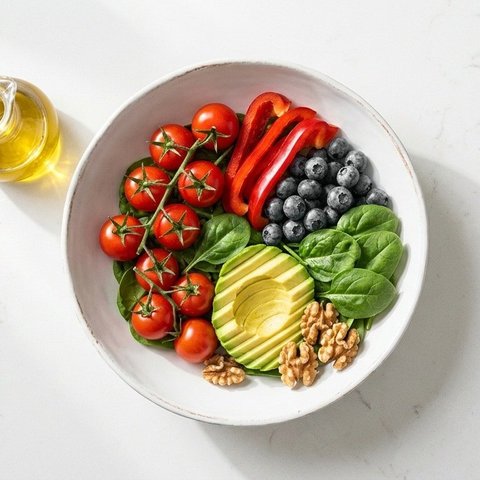
Plant-based cuisine has evolved far beyond a niche dietary trend into an inspiring cornerstone of modern gastronomy, uniting health preservation, environmental consciousness, and extraordinary flavor diversity. A well-planned vegan diet reliably supplies all essential nutrients, provided meals are mindfully structured and paired with appropriate supplementation of vitamin B12 and vitamin D. Dispelling the myth of culinary monotony, cooking without meat, dairy, or eggs unlocks limitless creativity through legumes, whole grains, vibrant produce, nuts, seeds, and aromatic spices.


Authentic dairy cheeses and their plant-based imitations – key differences and ways to recognize them

Authentic dairy cheeses and their plant-based imitations – key differences and ways to recognize them

Plant-based cheese alternatives, primarily composed of vegetable oils such as palm, rapeseed, or coconut fat, do not meet the legal definition of cheese. Under European Union regulations, the term 'cheese' is strictly reserved for dairy products derived exclusively from animal milk (bovine, ovine, or caprine). Misleadingly labeling plant-based substitutes with terms implying authentic dairy origin violates food labeling standards and consumer protection laws.

Kale – health benefits, nutritional values, and culinary inspirations: chips, smoothies, and soups

Kale – health benefits, nutritional values, and culinary inspirations: chips, smoothies, and soups

Kale stands as one of the most ancient and nutrient-dense leafy greens globally, celebrated as a true nutritional powerhouse. Packed with protective antioxidants such as sulforaphane, lutein, and zeaxanthin, it delivers critical vitamins (C, K, A), highly bioavailable calcium, and essential minerals like iron and potassium. This guide explores its multifaceted health benefits and offers creative, easy-to-prepare recipes—from crispy baked kale chips to revitalizing green smoothies and velvety soups—perfect for a balanced, nutrient-rich diet.

Raspberry tomato – characteristics, nutritional values, vitamin content, and recipe for a summer salad

Raspberry tomato – characteristics, nutritional values, vitamin content, and recipe for a summer salad

The raspberry beefsteak tomato (known in Central Europe as 'pomidor malinowy') is a prized heirloom cultivar celebrated for its delicate pinkish skin, minimal seed cavities, and exceptionally sweet, dense flesh. Beyond its distinguished culinary profile, this variety provides rich concentrations of lycopene, ascorbic acid, and potassium. What micronutrient virtues characterize the raspberry tomato, and how can it be transformed into an exquisite, refreshing summer salad?

Yeast Flakes – Nutritional Properties, Uses, and Health Benefits in the Modern Diet

Yeast Flakes – Nutritional Properties, Uses, and Health Benefits in the Modern Diet

Inactive nutritional yeast flakes (derived from specially nurtured strains of Saccharomyces cerevisiae) represent a functional superfood celebrated across contemporary plant-based gastronomy. Undergoing delicate thermal deactivation, they possess zero leavening or fermentative capability while delivering a complete spectrum of essential amino acids, concentrated B-complex vitamins, trace minerals, and naturally occurring glutamic acid that provides a deeply savory, cheesy umami depth.

Buckwheat flakes as a healthy breakfast. Nutritional profile, ingredients, and tried-and-true breakfast recipes

Buckwheat flakes as a healthy breakfast. Nutritional profile, ingredients, and tried-and-true breakfast recipes

When considering breakfast cereal options, most individuals instinctively reach for conventional choices such as corn, oat, or rice flakes, typically served with milk or yogurt. However, the market provides a far broader selection—including buckwheat flakes, which represent not only a flavorful but also an exceptionally nutritious alternative. Their distinctive nutritional profile makes them an excellent option for both those actively managing their weight and those seeking a balanced, satisfying meal to start the day. Unlike many processed breakfast cereals, buckwheat flakes contain no added sugars while delivering complex carbohydrates, plant-based protein, and essential micronutrients.

Pistachios: a comprehensive nutritional analysis and health benefits of low-calorie, high-biological-value nuts

Pistachios: a comprehensive nutritional analysis and health benefits of low-calorie, high-biological-value nuts

Pistachios (Pistacia vera) stand out among tree nuts for their superior protein-to-calorie ratio, remarkable concentrations of lutein and zeaxanthin, and abundant potassium and phytosterols. This comprehensive guide details their biochemical profile, cardioprotective and ocular benefits, and evidence-based integration into weight management diets.

Creamy sesame tahini paste – health benefits, nutritional ingredients, and dietary use

Creamy sesame tahini paste – health benefits, nutritional ingredients, and dietary use

Creamy tahini paste, crafted from lightly toasted and stone-ground sesame seeds (Sesamum indicum), is a nutritional cornerstone of Mediterranean, Middle Eastern, vegetarian, and vegan diets. Distinguished by its high concentration of non-heme iron, calcium, magnesium, and zinc, tahini plays a vital role in preventing micronutrient deficiencies among women of reproductive age and individuals excluding meat or dairy products.Alongside complete plant-based protein, tahini delivers unique sesame lignans (sesamin, sesamolin, and sesamol), phytosterols, and unsaturated fatty acids that actively support cardiovascular and metabolic health.

Olive oil – classification, biochemical profile, and health benefits of the liquid gold of the Mediterranean diet

Olive oil – classification, biochemical profile, and health benefits of the liquid gold of the Mediterranean diet

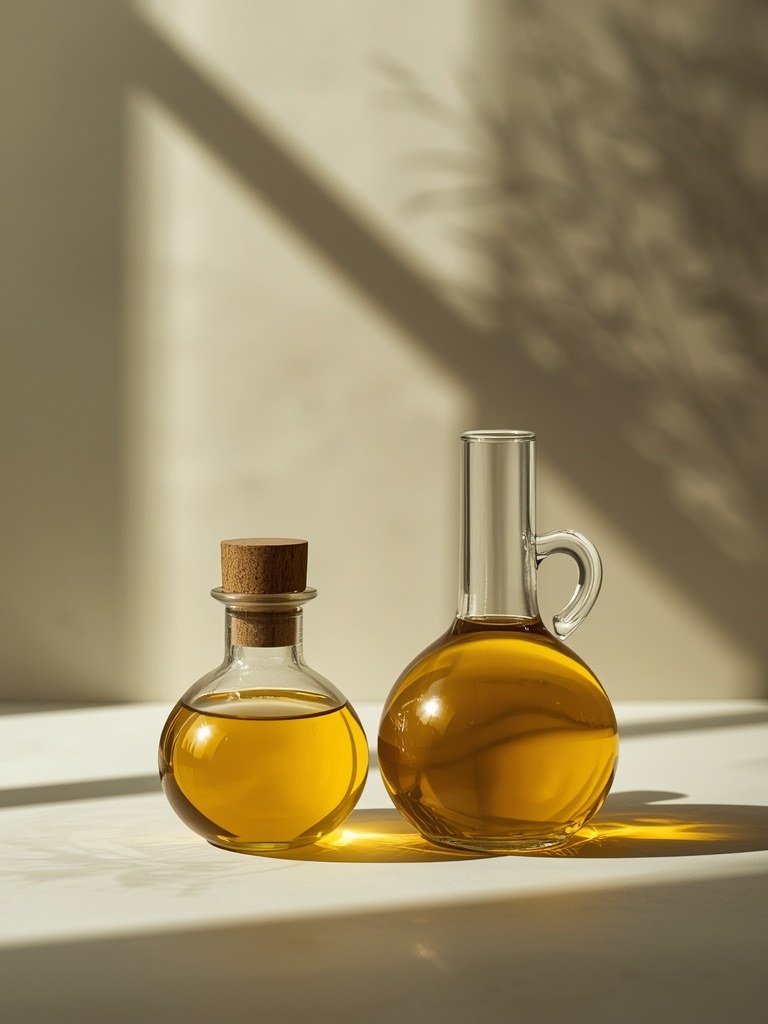
The modern dietary market features an extensive spectrum of edible vegetable oils, among which olive oil remains the undisputed cornerstone of the Mediterranean diet. Rooted in ancient agricultural traditions and extensively substantiated by contemporary biomedical research, extra virgin olive oil offers a superior fatty acid profile and a rich array of bioactive polyphenols. Understanding the distinct commercial classifications, processing techniques, and underlying biochemical mechanisms reveals why this nutrient-dense lipid continues to set the benchmark in preventative nutrition.

Melaleuca Oil – Therapeutic Properties, Anti-acne Action, and Effect on Nail Condition. A Comprehensive Guide to Use in Home Care and Medicinal Treatments

Melaleuca Oil – Therapeutic Properties, Anti-acne Action, and Effect on Nail Condition. A Comprehensive Guide to Use in Home Care and Medicinal Treatments

Phytotherapy, as a scientifically validated branch of natural medicine, has experienced significant growth in Poland in recent years. Of particular interest is the essential oil derived from the leaves of the Australian Melaleuca alternifolia tree, whose distinctive bioactive properties—including potent antimicrobial, anti-inflammatory, and tissue-regenerative effects—render it a valuable component in both the prevention and adjunctive treatment of diverse dermatological conditions and nail plate disorders. Its versatility and ease of application have established it as a favored option among individuals seeking evidence-based, plant-derived alternatives to conventional pharmacological formulations.

Wheat germ oil – characteristics and use in skin care and natural cosmetics

Wheat germ oil – characteristics and use in skin care and natural cosmetics

Amid the growing interest in natural skincare ingredients, the market is flooded with new plant-based oils touted for their exceptional properties, often accompanied by premium pricing and promises of transformative results. However, not all live up to consumer expectations. A notable exception is wheat germ oil—a product with well-documented health benefits and a rich nutritional profile. Continue reading to explore the details of this unique raw material and its potential applications in cosmetology and dermatological care.

Use of camphor oil in alleviating ear pain and other ailments – characteristics and definition of camphor

Use of camphor oil in alleviating ear pain and other ailments – characteristics and definition of camphor

Camphor oil represents a versatile natural preparation widely utilized in both therapeutic practices and cosmetic manufacturing. It is a common ingredient in various body ointments, aromatherapy formulations, and numerous plant-based skincare products. Nevertheless, how many individuals are fully aware of what this oil precisely entails—its constituent compounds, and the medicinal as well as cosmetic properties attributed to it in both traditional and contemporary applications?

Borage oil – a scientific analysis of its role in acne therapy, fertility support, and potential side effects. Is there evidence of its influence on the body's hormonal balance?

Borage oil – a scientific analysis of its role in acne therapy, fertility support, and potential side effects. Is there evidence of its influence on the body's hormonal balance?

Derived from the seeds of the evening primrose plant (Oenothera biennis), this botanical oil has been employed for decades across diverse domains of natural medicine—ranging from the alleviation of dermatological conditions such as rosacea and atopic dermatitis to the mitigation of chronic physical and mental fatigue syndromes. Its distinctive biochemical composition, abundant in gamma-linolenic acid (GLA) and other essential polyunsaturated fatty acids, theoretically positions it as a potential modulator of various physiological pathways. However, despite promising anecdotal reports and its longstanding use in folk medicine, many of its attributed therapeutic benefits lack definitive validation through rigorous clinical trials. This discrepancy underscores the imperative for a meticulous, evidence-based evaluation of existing scientific literature prior to considering its integration into supplementary regimens.

Milk Thistle Oil – Hepatoprotective Properties, Silymarin, Dosage and Application

Milk Thistle Oil – Hepatoprotective Properties, Silymarin, Dosage and Application

Oil extracted from the seeds of milk thistle (Silybum marianum) represents an extraordinary botanical agent with rigorous empirical evidence supporting hepatoprotective efficacy. Combining silymarin flavonolignans, essential linoleic acid, and tocopherols, it promotes hepatocyte regeneration, assists systemic detoxification against xenobiotics, and improves digestive secretion.

Sunflower seed oil – properties, uses, and effect on the human body

Sunflower seed oil – properties, uses, and effect on the human body

Throughout recent decades, sunflower seed oil has established itself as one of the most widely consumed vegetable oils in culinary and domestic food preparation globally. Depending on its processing—whether unrefined cold-pressed or refined—it offers distinct health and culinary attributes, delivering an abundant supply of vitamin E, phytosterols, and unsaturated fatty acids.

Cold-pressed flaxseed oil – a natural source of omega-3 fatty acids

Cold-pressed flaxseed oil – a natural source of omega-3 fatty acids

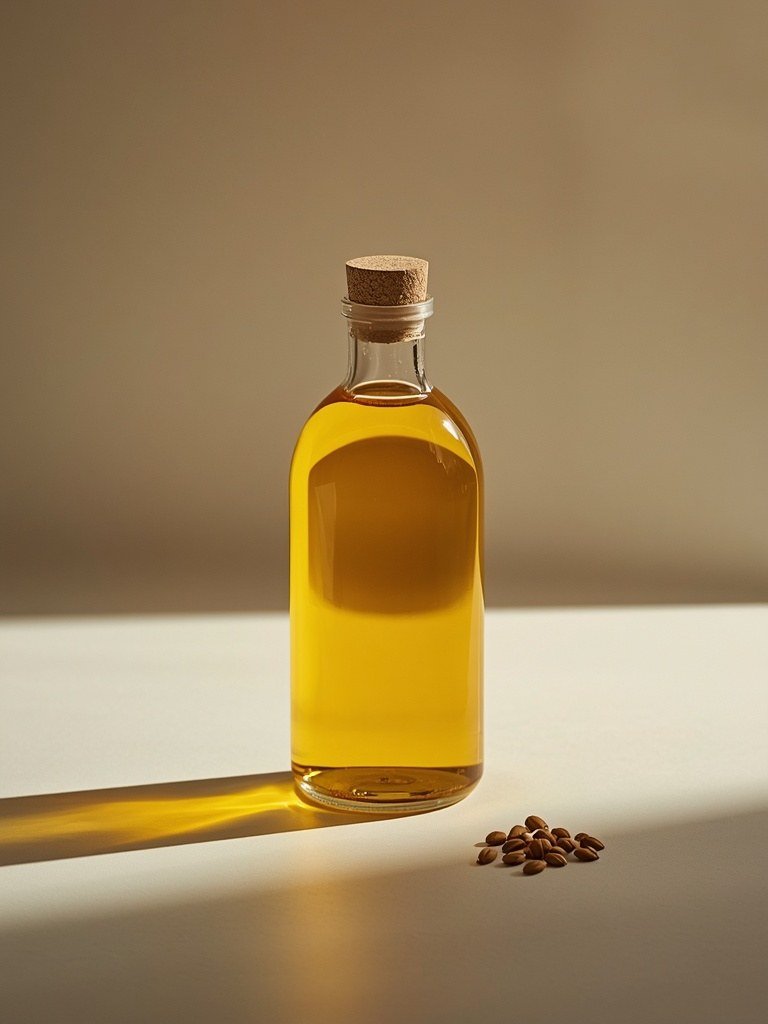
Flaxseed oil, derived from the seeds of common flax (Linum usitatissimum), represents one of the most concentrated plant-based sources of omega-3 fatty acids—particularly alpha-linolenic acid (ALA)—which plays a pivotal role in maintaining physiological equilibrium within the human body. Extensive research confirms that consistent consumption of this oil contributes to a reduction in blood triglyceride levels, assists in blood pressure regulation, and demonstrates protective effects against cardiovascular diseases by mitigating the risk of atherosclerosis and thrombotic events. Additionally, while present in smaller quantities compared to fish oil, the docosahexaenoic acid (DHA) found in flaxseed oil serves an indispensable function in neurogenesis, acting as a structural constituent of neuronal cell membranes, thereby rendering it especially critical in the diets of pregnant women and young children.Furthermore, the polyunsaturated fatty acids in flaxseed oil are essential for sustaining the epithelial barrier function of the skin, mucous membranes, and other tissues, as they serve as primary substrates for membrane lipid synthesis. Given the human body’s inability to endogenously synthesize omega-3 and omega-6 fatty acids, their systematic intake through high-quality plant oils remains a cornerstone of health prevention and metabolic optimization.

Hemp oil from *Cannabis sativa* seeds – biochemical characteristics, potential health benefits, and practical tips for use

Hemp oil from *Cannabis sativa* seeds – biochemical characteristics, potential health benefits, and practical tips for use

The annual plant known scientifically as Cannabis sativa variety sativa demonstrates remarkable adaptability to diverse environmental conditions. Its seeds are distinguished by a rich nutritional profile: comprising 15 to 20 percent high-quality plant-based protein and 28 to 35 percent fat—primarily polyunsaturated fatty acids from the omega-3 and omega-6 families, which are deemed essential in human nutrition. Additionally, the seeds’ chemical composition includes a range of bioactive compounds, such as edestin—a highly digestible storage protein—choline, which supports metabolic functions, lecithin as a cellular membrane component, chlorophyll with detoxifying properties, vitamin K critical for blood coagulation, and tocopherols exhibiting antioxidant activity.These unique characteristics position hempseed oil as a valuable asset in both dietary applications and health-promoting strategies [1, 2].

Flaxseed oil in weight loss. Using flaxseed oil before meals

Flaxseed oil in weight loss. Using flaxseed oil before meals

Cold-pressed flaxseed oil, derived from the seeds of flax (Linum usitatissimum), stands as the undisputed champion among botanical omega-3 sources. Over 50% of its fatty acid matrix comprises essential alpha-linolenic acid (ALA). The traditional practice of ingesting a spoonful of cold flaxseed oil on an empty stomach prior to breakfast is firmly substantiated by nutritional science: it stimulates gastrointestinal motility, promotes gallbladder emptying, triggers satiety hormones, and optimizes hepatic fat oxidation.

Jojoba – a unique plant wax from the Californian simmondsia: characteristics, uses, and price analysis

Jojoba – a unique plant wax from the Californian simmondsia: characteristics, uses, and price analysis

The golden lipid pressed from seeds of the desert shrub Simmondsia chinensis, conventionally marketed as 'jojoba oil', is chemically not a triglyceride fat, but a liquid plant wax. Composed of monounsaturated straight-chain wax esters, its molecular structure closely mimics human cutaneous sebum. This biomimetic profile renders jojoba one of the most versatile, skin-compatible, and stable botanical ingredients in modern clinical dermatology and cosmetic formulation.

Varied forms of plant-based diets: classification of vegetarianism types

Varied forms of plant-based diets: classification of vegetarianism types

Just a few decades ago, abstaining from animal-derived products was widely regarded as a contentious nutritional experiment fraught with the risk of dietary deficiencies—or even as a whimsical choice made by those seeking unconventional lifestyles. Today, however, meat-free diets—and particularly their most stringent iteration, veganism—have transitioned from the fringes of society to mainstream acceptance. Far from being marginalized, they have garnered endorsement from both nutrition professionals and the general public, emerging as one of the defining trends in contemporary culinary culture.This shift in perceptions surrounding plant-based dietary models is all the more striking given that, until recently, the prevailing belief was that animal products were indispensable for maintaining optimal health.

Various varieties of peas and their nutritional properties – a practical guide to preparing and using them in the kitchen

Various varieties of peas and their nutritional properties – a practical guide to preparing and using them in the kitchen

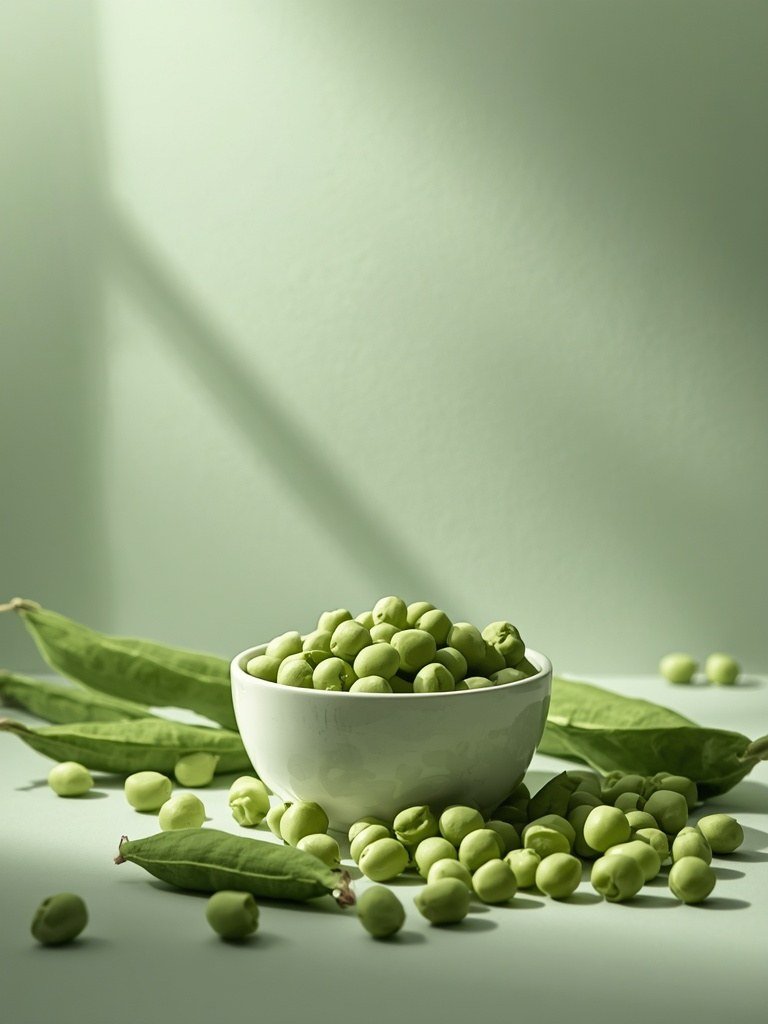
Field pea (Pisum sativum) stands as one of the oldest and nutritionally richest legumes in agricultural history. It serves as an outstanding source of dietary plant protein, complex low-glycemic carbohydrates, resistant starch, B-complex vitamins, and essential minerals including iron, phosphorus, magnesium, and potassium. Meticulous culinary preparation neutralizes antinutrients and optimizes bioavailability for superior gastrointestinal tolerance.

Vegetable and fruit consumption – analysis of benefits, limitations, and impact on the nutritional profile of products in the context of processing and transport

Vegetable and fruit consumption – analysis of benefits, limitations, and impact on the nutritional profile of products in the context of processing and transport

The extensive assortment of vegetables and fruits available on the market empowers consumers to select food items aligned with their personal culinary preferences, financial constraints, and cultural or religious dietary requirements. These products represent an indispensable source of essential micronutrients—including water-soluble and fat-soluble vitamins, bioactive compounds with health-promoting properties, and dietary fiber fractions—whose highest concentrations are typically observed in the outer layers immediately beneath the epidermis or within deeper cellular structures of the pulp.Nevertheless, the global distribution of fresh plant-based commodities frequently necessitates the application of synthetic preservatives or spoilage inhibitors, raising concerns among professionals in the fields of nutrition science, dietetics, and environmental protection. Against this backdrop, a fundamental question emerges: Does the mechanical removal of vegetable and fruit peels prior to consumption genuinely yield greater benefits, or does it instead result in an unwarranted loss of valuable nutritional components?

New horizons in phytochemistry: sulforaphane, anthocyanins, senolytic quercetin, and urolithin A in vegetables and fruits

New horizons in phytochemistry: sulforaphane, anthocyanins, senolytic quercetin, and urolithin A in vegetables and fruits

For decades, the nutritional value of plant foods was evaluated strictly through the narrow lens of essential vitamins (ascorbate, beta-carotene, folate) and basic minerals. Contemporary molecular biology and nutritional nutrigenomics have dismantled this reductionist view, uncovering thousands of non-caloric bioactives—polyphenols, glucosinolates, and stilbenoids—that modulate human genomic transcription. These xenohormetic molecules activate master cellular defense operons (Nrf2/ARE), stimulate mitochondrial autophagy (mitophagy via urolithin A), clear dysfunctional senescent cells (senolytics like quercetin and fisetin), and remodel the gut metabolome. This monograph reviews cutting-edge mechanisms redefining plant-based nutrition.

Potential Deficiencies in Plant-Based Diets: Vitamin B12, Iron, Zinc, Calcium, and Omega-3 Fatty Acids (EPA/DHA)

Potential Deficiencies in Plant-Based Diets: Vitamin B12, Iron, Zinc, Calcium, and Omega-3 Fatty Acids (EPA/DHA)

Well-planned vegetarian and vegan diets confer established cardiometabolic benefits, yet complete elimination of animal matrices necessitates vigilant micronutrient architecture. Vitamin B12 (cobalamin), non-heme iron, zinc, calcium, iodine, and long-chain omega-3 fatty acids (EPA and DHA) represent critical nutrients of concern. This clinical guide details physiological bioavailability barriers, phytate-degrading culinary processing techniques, and evidence-based supplementation protocols required for lifelong vitality on plant-based regimens.

Hidden sugar in the daily diet: traps in dairy, processed cereals, juices, and 'fit' products

Hidden sugar in the daily diet: traps in dairy, processed cereals, juices, and 'fit' products

The vast majority of excessive sucrose and fructose consumption in contemporary diets does not originate from table sugar, but from ultra-processed formulations marketed as 'fit', 'wholesome', or 'natural'. Recognizing more than 50 nomenclature pseudonyms for hidden sugars and rigorously interpreting nutritional labels shields against hepatic steatosis, insulin resistance, and visceral adiposity.

Is phytotherapy truly an effective therapy based on plant ingredients? Scientific evidence and clinical practice

Is phytotherapy truly an effective therapy based on plant ingredients? Scientific evidence and clinical practice

Phytotherapy, or evidence-based herbal medicine, is undergoing a profound renaissance in modern integrative healthcare. Utilizing cutting-edge analytical methodologies such as high-performance liquid chromatography (HPLC) and DNA barcoding, botanical preparations have evolved from folkloric remedies into rigorous, standardized pharmaceuticals with verified pharmacokinetic and pharmacodynamic profiles.

Liver fluke infection: recognizing symptoms and treatment methods in clinical practice

Liver fluke infection: recognizing symptoms and treatment methods in clinical practice

Fascioliasis is a major foodborne zoonotic trematodiasis caused by the common liver fluke (Fasciola hepatica), which parasitizes the biliary tracts of herbivores and humans. Transmission occurs through ingestion of metacercariae encysted on emergent freshwater aquatic plants (notably wild watercress) or via untreated contaminated surface water. Pathophysiologically, the disease manifests in two distinct stages: an acute hepatic parenchymal migratory phase and a chronic ductal biliary phase. This clinical review outlines life-cycle epidemiology, diagnostic laboratory criteria, and targeted anthelmintic pharmacotherapy.

Soy milk vs. rice milk: nutritional properties and composition of alternative plant-based drinks compared to traditional cow's milk

Soy milk vs. rice milk: nutritional properties and composition of alternative plant-based drinks compared to traditional cow's milk

The continuous growth of the plant-based dairy category presents consumers with diverse substitutes for traditional bovine milk. Among the foundational options are soy milk and rice milk. While both are intrinsically 100% plant-derived and free from lactose and cholesterol, their macronutrient distributions, glycemic indices, protein quality, and allergenicity diverge sharply. This comparative study examines their composition, clinical indications, and functional applications.

Plant-based alternatives to dairy milk: characteristics, diversity, and homemade methods for producing plant-based drinks

Plant-based alternatives to dairy milk: characteristics, diversity, and homemade methods for producing plant-based drinks

Contemporary dietary trends have elevated the prominence of plant-based products—particularly the extensive range of beverages colloquially referred to as "milk"—among consumers adhering to vegan diets, individuals managing lactose intolerance, food allergies, or those seeking healthier substitutes for conventional dairy. However, does the terminology employed—"beverage" versus "milk"—genuinely reflect distinctions in composition, nutritional profiles, or processing techniques? This resource explores the fundamental aspects of classification, properties, and practical guidance for independently preparing plant-derived milk alternatives within a home setting.

Share