Rotator cuff tear of the shoulder joint
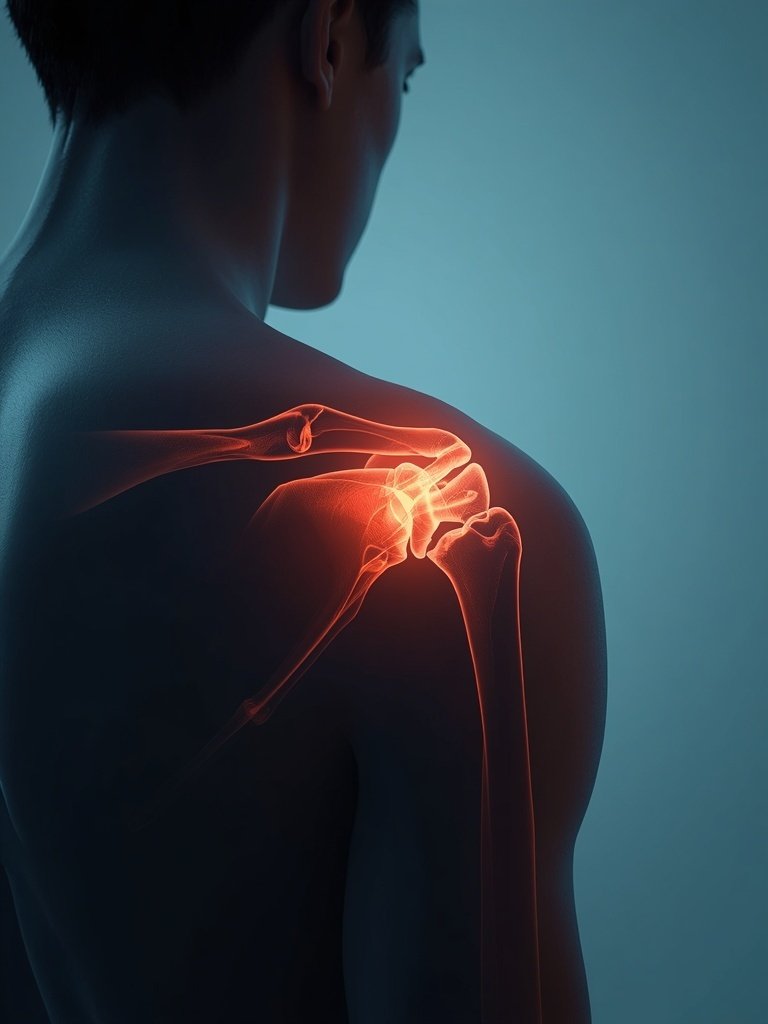
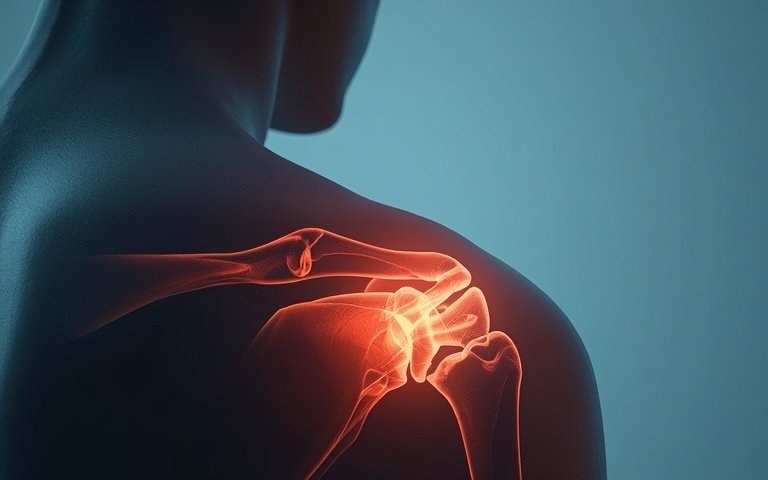
Table of Contents 3
Medical & Editorial Disclaimer (§3 Terms): This article is for informational and educational purposes only, does not constitute medical advice, diagnosis, or treatment, and is used at your own risk. Consult a qualified physician for medical conditions.
Anatomically, the rotator cuff is composed of the supraspinatus, infraspinatus, subscapularis, and teres minor muscles, which collectively surround the shoulder joint to ensure stability and facilitate complex movements. Positioned above these muscles, in close proximity to the humerus and scapula, is the subacromial bursa, which serves as a protective cushion against mechanical friction. Although sudden traumatic events can cause acute damage, the majority of dysfunctions arise gradually from degenerative changes and cumulative microtrauma linked to chronic overuse. Over time, this tissue weakening can provoke bursal inflammation, resulting in persistent or activity-induced pain, noticeable muscular weakness, and a restricted range of motion.
From a practical standpoint, managing shoulder discomfort begins with modifying daily activities to maintain ergonomic arm positions that minimize mechanical stress on the joint structures. Engaging in a structured, individually tailored physiotherapy program can support the gradual restoration of mobility and help strengthen the musculotendinous complex surrounding the shoulder girdle. Individuals experiencing ongoing pain or mechanical limitations should seek professional medical evaluation to establish an accurate diagnosis and explore appropriate strategies for mitigating inflammatory responses.
Is this truly a rotator cuff injury? Mechanisms and underlying causes of its dysfunction
What indicative signs may suggest rotator cuff muscle injury and how to identify them?
Therapeutic intervention and rehabilitation process for shoulder joint dysfunction
Want to apply these guidelines in your daily diet?
Our smart diet generator creates a tailored meal plan in 3 minutes based on the recommendations in this article.

Wojciech Wiśniewski
Diets Premium Expert
Diets Premium team expert. Specializes in nutrition plans, strength sports, and training plans.