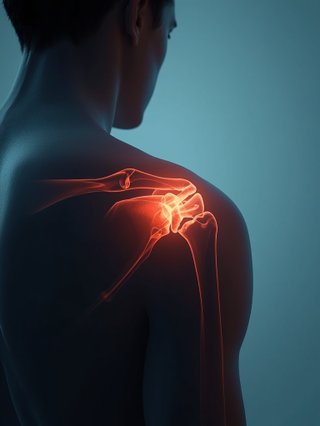
Fibrous Dysplasia


Table of Contents 3
Medical & Editorial Disclaimer (§3 Terms): This article is for informational and educational purposes only, does not constitute medical advice, diagnosis, or treatment, and is used at your own risk. Consult a qualified physician for medical conditions.
Throughout the course of the condition, internal bone cavities and normal structures become progressively replaced by fibrous elements. This pathological shift stems from a disruption in protein synthesis and an impaired bone synthesis mechanism, as the body continuously attempts to maintain functional continuity amidst the damage. Depending on how symptoms manifest, different clinical presentations are recognized, ranging from forms affecting a single skeletal site to more widespread patterns. Because the condition often progresses silently over extended periods, pathological changes can persist for years without detection.
Accurate detection and clinical management rely heavily on comprehensive imaging studies such as X-rays and computed tomography scans, frequently supplemented by targeted tissue biopsies to confirm the diagnosis. Therapeutic approaches are highly individualized, ranging from careful active monitoring for mild lesions and minor discomfort to targeted pain management strategies. Collaborating closely with medical professionals and maintaining an informed approach to daily mobility and lifestyle helps patients navigate the challenges associated with fibrous tissue alterations while supporting their overall well-being.
What constitutes bone fibrous dysplasia?
Clinical presentations of the condition
Detection and therapy
Want to apply these guidelines in your daily diet?
Our smart diet generator creates a tailored meal plan in 3 minutes based on the recommendations in this article.
Tags

Kacper Nowak
Diets Premium Expert
Diets Premium team expert. Specializes in nutrition plans, strength sports, and training plans.