Lactic acid and lactic acid bacteria: exercise physiology, lactate transport, and the role of probiotics


Table of Contents 3
Medical & Editorial Disclaimer (§3 Terms): This article is for informational and educational purposes only, does not constitute medical advice, diagnosis, or treatment, and is used at your own risk. Consult a qualified physician for medical conditions.
This article examines the physiological mechanisms governing systemic lactate kinetics, the Cori cycle, and the cell-to-cell lactate shuttle. It clarifies how delayed onset muscle soreness actually stems from microscopic structural tears within myofibrils rather than lactate accumulation, and explains how monocarboxylate transporters actively shuttle lactate to fuel cardiac myocytes, neurons, and oxidative muscle fibers. Furthermore, the text explores the microbiology of key probiotic genera such as Lactobacillus and Bifidobacterium, detailing how luminal acidification and the production of natural antimicrobial peptides known as bacteriocins help suppress harmful pathogens and support mucosal immunity.
For everyday nutrition and wellness, these scientific insights translate into clear guidance on incorporating traditional fermented foods into a balanced diet. Cultured dairy products like natural yogurt and kefir assist lactose digestion through microbial enzymes while delivering bioavailable calcium, whereas fermented vegetables such as sauerkraut, fermented pickles, and kimchi supply vitamin C, glucosinolates, and resilient probiotic colonies. Combining regular physical activity with a varied intake of fermented foods can help support overall metabolic health and a balanced intestinal environment.
Lactic acid (lactate) was historically mischaracterized by early exercise physiologists as a noxious metabolic waste product causing muscle soreness and fatigue. Contemporary biochemistry has thoroughly dismantled this myth: lactate functions as a dynamic cellular energy fuel, an obligatory mitochondrial substrate via intracellular lactate shuttles, and a potent metabolic signaling molecule. Simultaneously, lactic acid bacteria (LAB) drive gut microbiome integrity and food preservation. This monograph reviews lactate kinetics, the Cori cycle, and probiotic benefits.
Lactate Exercise Physiology: Debunking the Soreness Myth and the Lactate Shuttle
Contemporary scientific re-evaluation of systemic lactate dynamics:
- Debunking Delayed Onset Muscle Soreness (DOMS): Muscle soreness results from microscopic structural micro-tears along myofibrillar Z-discs, not lactate. Circulating lactate clears within 60–90 minutes post-exercise.
- The Cell-to-Cell Lactate Shuttle: Discovered by Prof. George Brooks; lactate is actively transported via monocarboxylate transporters (MCT1/4) to fuel aerobic cardiac myocytes, neurons, and type I muscle fibers.
- Hepatic Cori Cycle: Lactate is shunted via the bloodstream to the liver, where gluconeogenesis reconstitutes new glucose molecules for continuous energy cycling.
Microbiology of Lactic Acid Bacteria (LAB): Probiotic Mechanisms
Microbiological features and clinical benefits of lactic acid bacteria:
- Core Genera: Lactobacillus, Bifidobacterium, Lactococcus, Pediococcus, and Streptococcus thermophilus.
- Luminal Acidification: By fermenting carbohydrates into lactic acid, LAB maintain a protective acidic environment (pH 4.0–5.0) that suppresses pathogenic pathogens like Salmonella and Clostridioides.
- Bacteriocins and Mucosal Immunity: Produce natural antimicrobial peptides (bacteriocins) while prompting mucosal dendritic cells to secrete protective secretory IgA (sIgA).
Traditional Food Fermentation and Nutritional Health Benefits
Traditional fermented foods as functional nutritional staples:
- Cultured Dairy Products: Natural yogurts and kefir enhance lactose digestion via microbial beta-galactosidase and deliver highly bioavailable calcium.
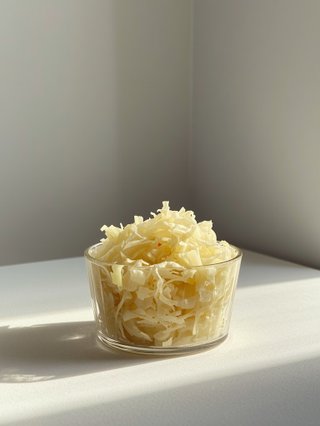
- Fermented Vegetables: Traditional sauerkraut, fermented pickles, and kimchi provide concentrated vitamin C, glucosinolates, and resilient probiotic colonies.
- Metabolic Longevity Outcomes: Clinical dietary trials link regular fermented food intake to reduced systemic inflammatory markers (hs-CRP) and superior glycemic stability.
Want to apply these guidelines in your daily diet?
Our smart diet generator creates a tailored meal plan in 3 minutes based on the recommendations in this article.
Tags

mgr Literatura: http://www.e-biotechnologia.pl/Artykuly/Biotechnologiczna-produkcja-kwasu-mlekowego-przez—grzyby-z-rodzaju-Rhizopus-i-jego-wykorzystanie/ [data dostępu: 15.04.2018], Jurkowski M., Błaszczyk M., Charakterystyka fizjologiczno-biochemiczna bakterii fermentacji mlekowej, Kosmos. Problemy nauk biologicznych 2012, 296, 493 Górska K. i Pietkiewicz J. J., Funkcje technologiczne i charakterystyka kwasów dodawanych do żywności, Prace naukowe Uniwersytetu Ekonomicznego we Wrocławiu 2009, 57, 141 Mojka K., Charakterystyka mlecznych napojów fermentowanych, Probl Hig Epidemiol 2013, 94, 722
Diets Premium Expert
Diets Premium team expert. Specializes in nutrition plans, strength sports, and training plans.