Guarana – action, potential side effects, properties, and safety in tablet form
Table of Contents 4
Medical & Editorial Disclaimer (§3 Terms): This article is for informational and educational purposes only, does not constitute medical advice, diagnosis, or treatment, and is used at your own risk. Consult a qualified physician for medical conditions.
From a physiological perspective, guarana seeds provide a dense concentration of bioactive purine alkaloids and methylxanthines, including caffeine, theobromine, and theophylline, alongside beneficial antioxidants. Compared to standard coffee beans, guarana contains a notably higher density of natural caffeine that undergoes a gradual release within the gastrointestinal tract, contributing to a more sustained influence on the central nervous system and metabolic processes. At the same time, the article examines how excessive intake of psychoactive methylxanthines can provoke adverse cardiovascular, neurological, and cognitive responses depending on individual sensitivity and dosage.
In everyday nutritional practice, guarana supplements are widely available as powders or convenient tablets, with tablet formulations offering straightforward and consistent dosing of the concentrated extract. To incorporate guarana responsibly into a wellness routine, individuals should monitor their personal tolerance to stimulants, account for total daily caffeine consumption from all dietary sources, and consult a qualified healthcare professional before starting supplementation.
Guarana – a natural Amazonian stimulant (Paullinia cupana)
Pharmacological mechanisms of guarana: Health benefits and bioactive properties of *Paullinia cupana*
Adverse reactions and potential health risks of guarana consumption: A comprehensive examination of its physiological effects
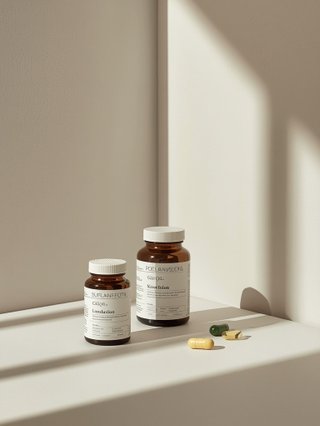
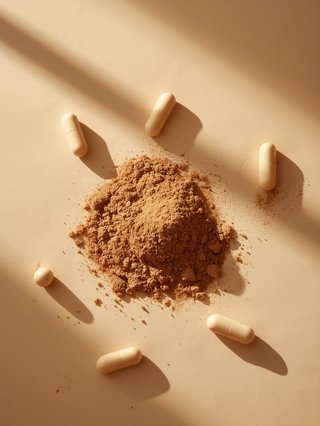
Guarana extract in tablet form – composition and practical applications
Want to apply these guidelines in your daily diet?
Our smart diet generator creates a tailored meal plan in 3 minutes based on the recommendations in this article.

mgr Literatura: Bojarowicz H., Dźwigulska P., 2012. Suplementy diety. Część II. Wybrane składniki suplementów diety oraz ich przeznaczenie . Hygeia Public Health, 47, 4, 433 – 441 Czapski J., 2011. Dodatki do żywności. Naturalne = niebezpieczne ? [w:] Jakość i bezpieczeństwo żywności – kształtowanie jakości żywieniowej w procesach technologicznych , wyd. SGGW, Warszawa Lima N.S. i in., 2017. Modulatory Effects of Guarana (Paullinia cupana) on Adipogenesis. Nutrients, 9, 6, 635 [https://www.ncbi.nlm.nih.gov/pmc/articles/PMC5490614/, dostęp on-line: 30.09.2017] Schimpl F.C., i in., 2013. Guarana: Revisiting a highly caffeinated plant from the Amazon. Journal of Ethnopharmacology, 150, 14 – 31 Siwek R., Witkowska-Banaszczak E., Szamański M., 2013. Kofeina w lekach i suplementach diety – znaczenie w lecznictwie. Farm Pol, 69, 9, 541 – 549 Wanat G., Woźniak-Holecka J., 2011. Ocena konsumpcji produktów zawierających kofeinę wśród młodzieży akademickiej i licealnej . Probl Hig Epidemiol, 92, 3, 695 – 699
Diets Premium Expert
Diets Premium team expert. Specializes in nutrition plans, strength sports, and training plans.