The effect of energy drinks on body function
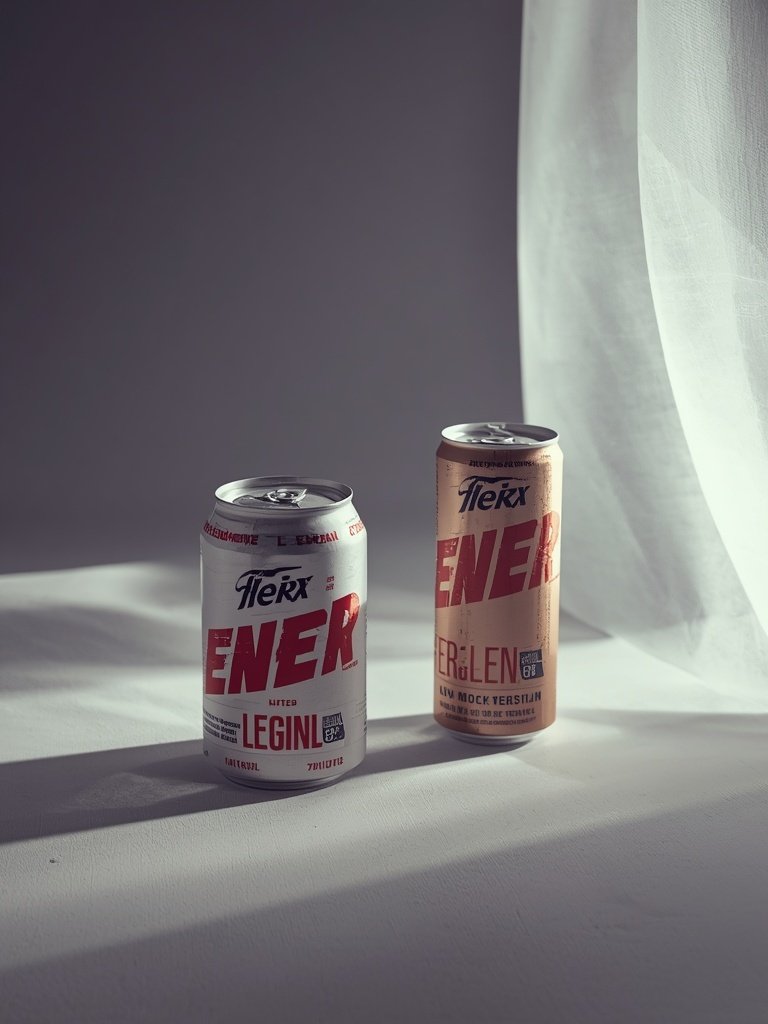
Table of Contents 7
Medical & Editorial Disclaimer (§3 Terms): This article is for informational and educational purposes only, does not constitute medical advice, diagnosis, or treatment, and is used at your own risk. Consult a qualified physician for medical conditions.
The immediate efficacy of energy beverages stems from the synergistic action of bioactive ingredients that modulate metabolic and neurochemical pathways. Although moderate caffeine consumption can temporarily sharpen vigilance and alleviate sensations of fatigue, excessive or chronic intake—especially when combined with high sucrose levels and synthetic additives—places considerable strain on the cardiovascular and central nervous systems. Furthermore, scientific evidence indicates that the high acidity and dense stimulant profile of these drinks can compromise gastrointestinal integrity and microbial balance, while prolonged overconsumption has been linked to potential stress on internal organs such as the liver, pancreas, and kidneys, alongside adverse effects on mental well-being.
While certain physically active individuals and athletes may strategically utilize energy drinks prior to demanding sessions to support attentional focus and anaerobic performance, establishing a universally safe intake threshold is complex. Tolerance varies considerably depending on age, body weight, baseline health status, and individual sensitivity to stimulants. For sustainable daily vitality and cognitive clarity, prioritizing balanced nutrition, optimal hydration, and restorative sleep remains far more beneficial than relying on high-stimulant beverages.
This article is professional premium content (PRO) provided in its entirety.
Compositional analysis and mechanistic effects of energy drinks: From caffeine to taurine and guarana
Health implications of energy drink consumption: A cardiovascular impact assessment
The impact of energy drinks on the neurological functions of the human body
The detrimental consequences of energy drink consumption on gastrointestinal function and health
Health repercussions associated with excessive energy drink consumption beyond core bodily systems
Determining the appropriate consumer base for energy drinks: Evidence-based guidelines and contraindications
What quantities of energy drinks can be consumed without health risks?
Want to apply these guidelines in your daily diet?
Our smart diet generator creates a tailored meal plan in 3 minutes based on the recommendations in this article.

mgr Barcelos R.P., Caffeine effects on systemic metabolism, oxidative-inflammatory pathways, and exercise performance, „Nutrition Research” 2020, 80, 1–17. Caine J.J., Geracioti T.D., Taurine, energy drinks, and neuroendocrine effects, „Cleveland Clinic Journal of Medicine” 2016, 83(12), 895–904. Costantino A. et al., The Dark Side of Energy Drinks: A Comprehensive Review of Their Impact on the Human Body, „Nutrients” 2023, 15(18), 3922. Curran C.P., Marczinski C.A., Taurine, caffeine, and energy drinks: Reviewing the risks to the adolescent brain, “Birth Defects Research” 2017, 109(20), 1640–1648. Dai A. et al., The Association between Caffeine Intake and the Colonic Mucosa-Associated Gut Microbiota in Humans-A Preliminary Investigation, „Nutrients” 2023, 15(7), 1747. Jagim A.R. et al., International society of sports nutrition position stand: energy drinks and energy shots, „Journal of the International Society of Sports Nutrition” 2023, 20(1), 2171314. Nadeem I.M. et al., Energy Drinks and Their Adverse Health Effects: A Systematic Review and Meta-analysis, „Sports Health” 2021, 13(3), 265–277. Scientific Opinion on the safety of caffeine, „EFSA Journal” 2015, 13(5), 4102. Torres E.A.F.S. et al., Effects of the consumption of guarana on human health: A narrative review, „Comprehensive Reviews in Food Science and Food Safety” 2022, 21(1), 272–295.
Diets Premium Expert
Diets Premium team expert. Specializes in nutrition plans, strength sports, and training plans.