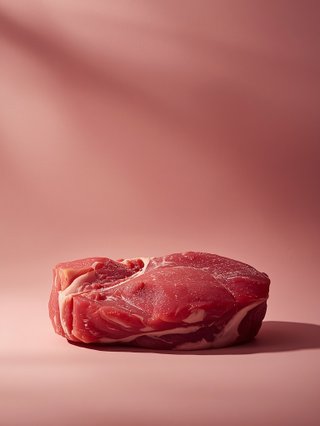
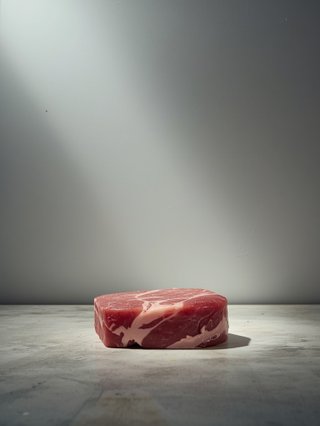
Classic and aged meat products... How to store meat products?
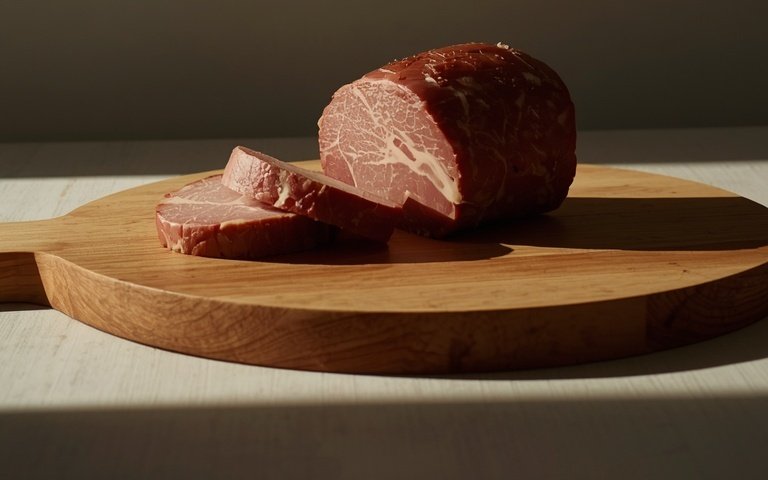
Table of Contents 3
Medical & Editorial Disclaimer (§3 Terms): This article is for informational and educational purposes only, does not constitute medical advice, diagnosis, or treatment, and is used at your own risk. Consult a qualified physician for medical conditions.
Artisanal meat products and aged cured specialties derive their distinctive flavor profiles and nutritional attributes from specialized traditional production methods. From a food science perspective, the shelf life and sensory stability of these items depend heavily on factors such as reduced water activity and specific curing techniques. While homogenized or offal-based formulations require prompt consumption, dried and long-aged meats demonstrate remarkable longevity when processed and maintained correctly, reflecting the mastery embedded in regional heritage.
To enjoy these traditional delicacies safely and at their best, consumers should strictly adhere to proper storage guidelines tailored to each product category. Keeping cured meats in optimal environmental conditions preserves their microbiological safety and delicate sensory attributes. Incorporating these exceptional artisan foods into a balanced diet requires mindful selection and attentive handling to honor both their culinary heritage and daily wellness goals.
Artisanal meat products crafted through heritage techniques and time-honored recipes
Aged Cured Meats: Heritage and Excellence in Every Slice
Optimal Storage Conditions for Cured Meats and Sausages: A Consumer’s Practical Guide
Want to apply these guidelines in your daily diet?
Our smart diet generator creates a tailored meal plan in 3 minutes based on the recommendations in this article.

Katarzyna Mazur
• 24.09.2026Diets Premium Expert
Diets Premium team expert. Specializes in nutrition plans, strength sports, and training plans.