
The importance of protein in fat loss and body sculpting
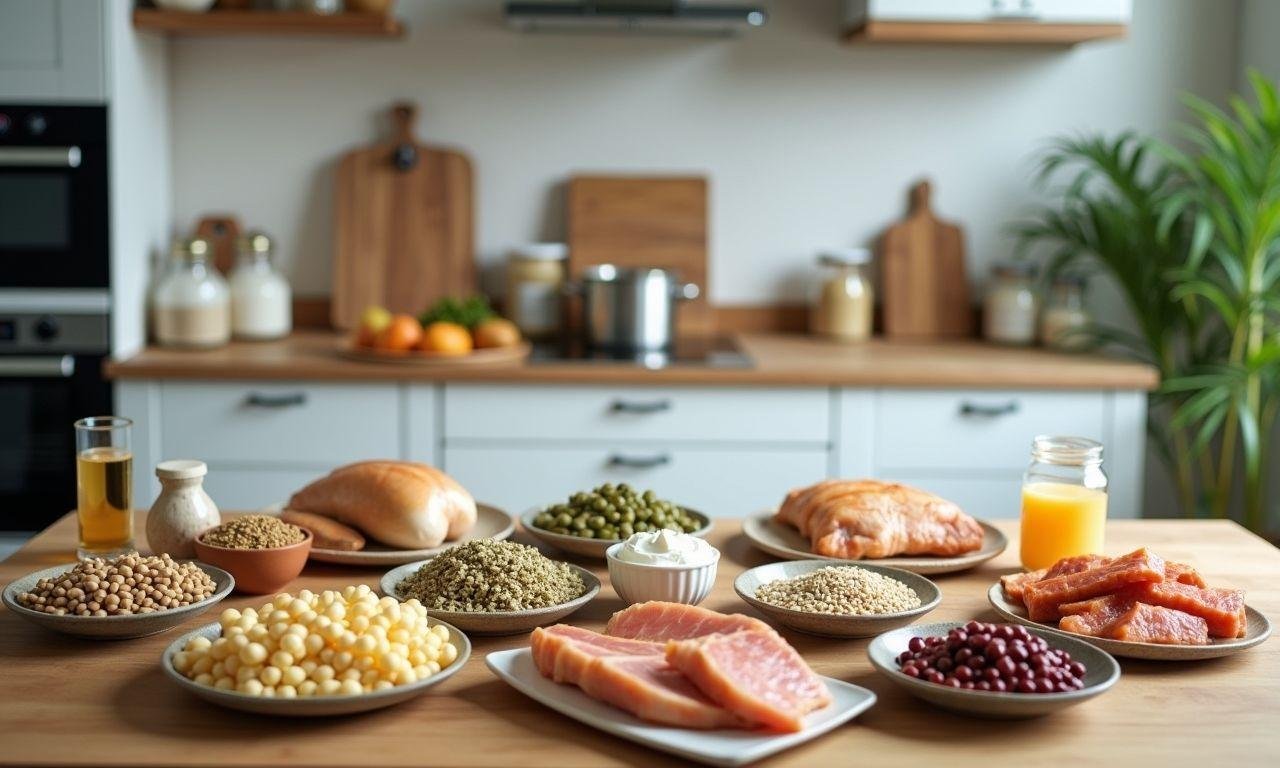
Table of Contents 7
Medical & Editorial Disclaimer (§3 Terms): This article is for informational and educational purposes only, does not constitute medical advice, diagnosis, or treatment, and is used at your own risk. Consult a qualified physician for medical conditions.
From a physiological perspective, protein intake influences the body by requiring more energy for digestion compared to other nutrients, which can help boost metabolic activity. Furthermore, adequate protein consumption promotes satiety, assisting in the regulation of appetite and reducing the urge to snack between meals. By providing the necessary amino acids, protein facilitates the repair and growth of muscle tissue, ensuring that the body has the resources it needs to recover effectively after physical exertion, utilizing a variety of animal and plant-based sources.
To achieve the best results, it is advisable to distribute protein intake evenly throughout the day, ensuring a consistent supply of amino acids for the body. On days involving physical activity, timing your protein intake around your workout can support muscle restoration, while maintaining a steady intake on rest days helps sustain metabolic health. Focus on incorporating a diverse range of high-quality protein sources into your meals and consider supplementation only as a practical aid to meet your needs within the context of a balanced and varied diet.
This article is professional premium content (PRO) provided in its entirety.
Protein fulfills a critical role in fat reduction and body sculpting, regardless of whether we engage in bodybuilding or simply aim to maintain a healthy physique. Appropriate protein intake aids muscle recovery, increases satiety, and accelerates metabolism. In this article, we present the best protein sources, their substitutes, daily requirements, as well as bioavailability, and explain the optimal time to consume protein in training and non-training days.
Why Is Protein Essential for the Fat Reduction Process and Shaping the Figure?
1. Supporting Fat Reduction
Protein requires more energy to digest than fats or carbohydrates, leading to an increase in metabolism and aiding the body in burning more fat.
2. Enhancing Satiety
Increased protein intake helps regulate appetite and reduces cravings for snacks between meals.
3. Building and Regenerating Muscles
Protein provides the necessary amino acids for muscle regeneration and growth, which is particularly important for physically active individuals or those looking to improve their figure.
The Finest Protein Sources
1. Animal Protein Sources:
- Leafy meats: chicken, turkey, lean beef, veal
- Fish: salmon, cod, tuna, mackerel
- Eggs and egg products
- Dairy products: Greek yogurt, cottage cheese, mozzarella
- Seafood: shrimp, salmon, mussels
2. Plant Protein Sources:
- Legumes: lentils, beans, chickpeas
- Tofu and tempeh
- Nuts and seeds: almonds, cashews, sunflower seeds
- Quinoa and buckwheat.
Protein substitutes and supplementation
If you are facing challenges in securing sufficient protein from your diet, consider the following:
- Protein sources (whey, plant-based, casein)
- Protein bars
- Collagen powder.
What Is the Recommended Daily Protein Intake?
Daily protein requirements depend on age, body weight, gender, and activity level:
- Sedentary individuals: 0.8–1 g of protein per kg of body weight
- Physically active individuals: 1.2–2 g of protein per kg of body weight
- People aiming for fat loss: 1.6–2.2 g of protein per kg of body weight
- Strength athletes: up to 2.5 g of protein per kg of body weight daily
Distributing protein intake evenly throughout the day allows for optimal absorption and muscle building.
How Much Protein Should Be Consumed at Each Meal?
Research suggests that the body can efficiently utilize around 20-40 g of protein per meal. Consuming more protein in a single sitting does not result in further increases in muscle protein synthesis, as surplus protein is employed in other metabolic processes. An optimal daily distribution of protein may appear as follows:
- Breakfast: 25-30 g
- Second breakfast: 15-25 g
- Lunch: 30-40 g
- Snack: 15-20 g
- Dinner: 25-30 g.
Protein Bioavailability Index
Not all protein sources are equally assimilated. Key factors that influence absorption comprise:
- Amino acid composition
- Food processing
- Co-occurrence of other nutrients in the meal
The highest biological value (BV) is observed in:
- Eggs – 100
- Whey protein – 104-159
- Milk – 91
- Soy – 74.
At what time is it best to ingest protein to support weight reduction and body sculpting?
On training days:
- Prior to workouts (1-2 hours in advance) – supplies energy and amino acids
- Post-workout (within 60 minutes) – aids muscle restoration
- Just before retiring for the night – casein ensures a gradual release of amino acids during rest
On rest days:
- Evenly distributed throughout the day – sustains metabolism and aids recovery
- During breakfast – prevents muscle deterioration and regulates hunger
Protein is a vital nutritional component that assists in weight reduction and body sculpting. The correct quantity and quality of protein consumption help maintain muscle mass, burn fat, and improve general well-being. It is recommended to consume protein regularly and select diverse sources to meet the body's unique requirements optimally.
Want to apply these guidelines in your daily diet?
Our smart diet generator creates a tailored meal plan in 3 minutes based on the recommendations in this article.

mgr David Janitzek
• 13.11.2026Diets Premium Expert
Diets Premium team expert. Specializes in nutrition plans, strength sports, and training plans.
















































