Rosehip seeds – a hidden source of health that surpasses the fruit itself!
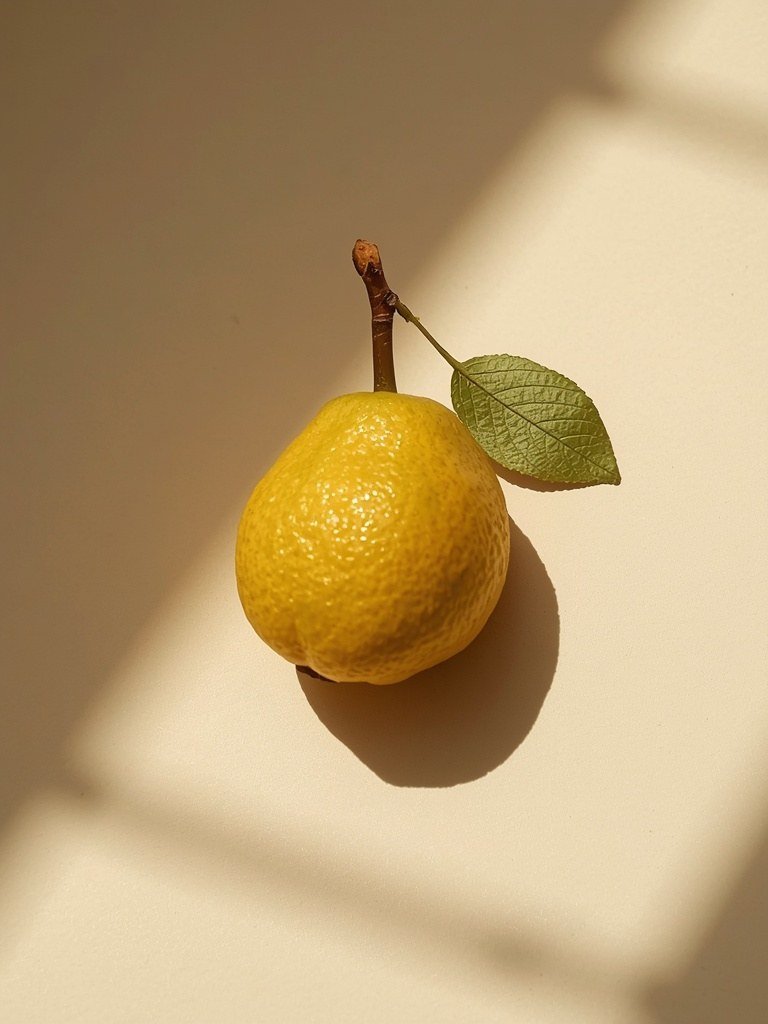
Table of Contents 9
Medical & Editorial Disclaimer (§3 Terms): This article is for informational and educational purposes only, does not constitute medical advice, diagnosis, or treatment, and is used at your own risk. Consult a qualified physician for medical conditions.
The physiological mechanisms driving the benefits of quince seeds stem primarily from abundant water-soluble mucilage polysaccharides, polyphenols, and essential fatty acids. When hydrated, these compounds form a resilient, soothing hydrocolloid layer that coats and protects irritated mucosal linings throughout the digestive tract, contributing to gastrointestinal comfort. Additionally, dermatological evaluations highlight their potential to support dermal fibroblast proliferation, making them valuable for tissue regeneration, soothing minor skin irritations, and maintaining skin barrier integrity.
Practical incorporation of quince seeds into a daily wellness routine involves preparing a gentle aqueous macerate using whole, unbroken seeds to ensure optimal mucilage extraction. Drinking the resulting smooth gel or applying it topically as a soothing compress offers a simple yet effective way to leverage these traditional botanical benefits. As always, embracing such natural remedies should complement a balanced lifestyle and be approached with careful attention to preparation guidelines.
This article is professional premium content (PRO) provided in its entirety.
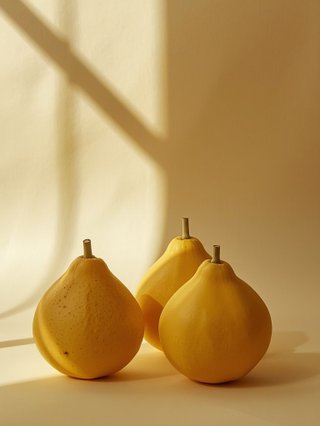
While the aromatic fruits of the common quince (Cydonia oblonga) are prized for culinary preserves and vitamin C, their seeds constitute a botanical resource of profound pharmacological potency. Rich in mucilaginous water-soluble polysaccharides, polyphenols, and essential fatty acids, quince seeds deliver proven gastroprotective, antitussive, and wound-healing benefits.
Mucilage Polysaccharides: Gastroprotective Coatings and Antitussive Relief
Quince seeds contain upwards of 20% water-soluble mucilage polymers (glucuronoxylans):
- Pharyngeal and vocal cord soothing: Cold aqueous infusions coat mucosal epithelia, dramatically suppressing non-productive, irritating cough reflexes.
- Gastroprotection: Forms a resilient hydrocolloid layer across the gastric lining, mitigating acid erosion in active gastritis and peptic lesions.
- Whole-seed safety rule: Seeds must be soaked whole without crushing or chewing to prevent enzymatic hydrolysis of trace cyanogenic amygdalin.
Dermatological Applications: Wound Healing, Burns, and Tissue Regeneration
Pharmacological research confirms that quince seed extracts robustly stimulate dermal fibroblast proliferation:
- Burn and wound healing: Topical hydrogels enhance re-epithelialization, modulate localized inflammation, and accelerate tissue recovery in minor thermal burns.
- Atopic dermatitis relief: Quince seed mucilage acts as a natural emollient, quenching pruritus, erythema, and transepidermal water loss.
Preparation Protocol for Quince Seed Aqueous Macerate
Extracting the therapeutic mucilage mandates gentle cold-water preparation:
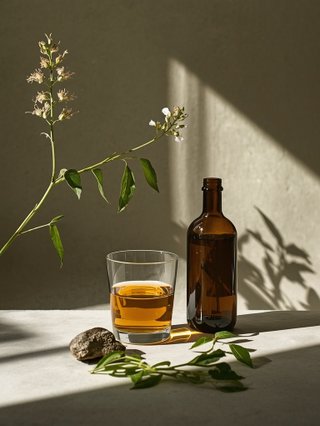
- Macerate preparation: Pour 150 ml of cool boiled water over 1 tablespoon of intact quince seeds (~10 g). Steep covered for 2–3 hours, swirling occasionally until a smooth gel forms.
- Administration: Strain through fine mesh. Consume 1–2 tablespoons as an oral demulcent for sore throat and gastritis, or apply externally as a soothing dermatological compress.
Is that what the pig's seeds do to your health?
It's not just a cold
How to use pigmeat seeds in your diet?
Pig seed stew is a recipe for a peppermint
Prescription for the spraying of pigmeat seeds
How do you make a macerate out of pig seed?
Want to apply these guidelines in your daily diet?
Our smart diet generator creates a tailored meal plan in 3 minutes based on the recommendations in this article.
Tags

Isabella Taylor
• 25.11.2026Diets Premium Expert
Diets Premium team expert. Specializes in nutrition plans, strength sports, and training plans.