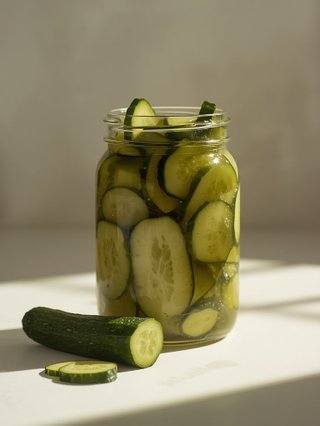
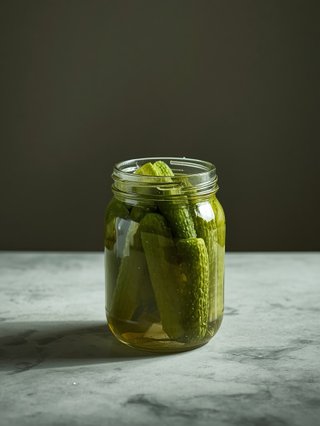
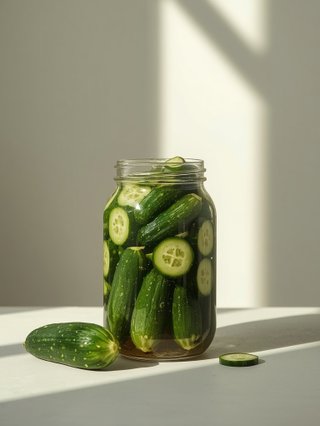
Pickled cucumbers – a traditional product of lactic acid fermentation
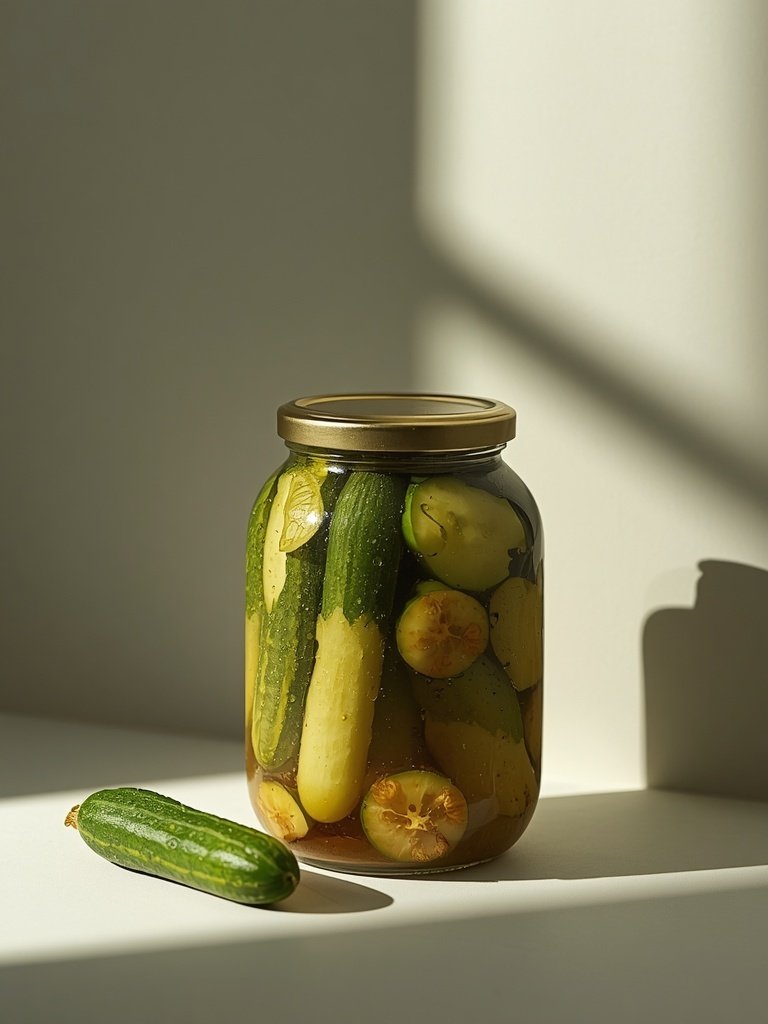
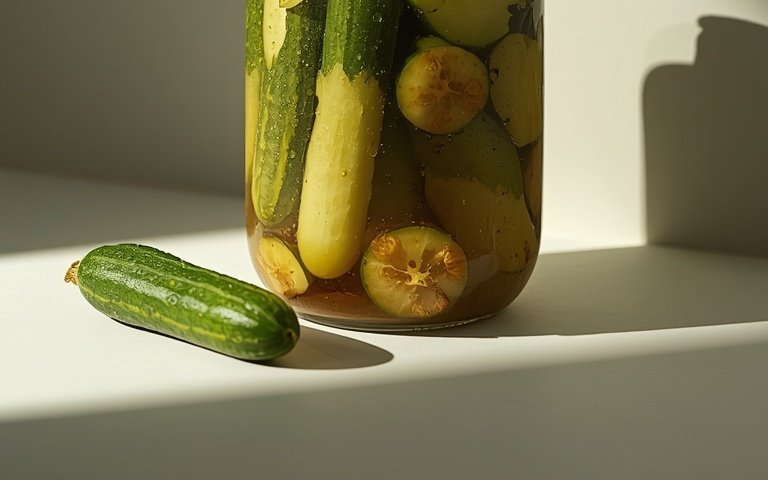
Table of Contents 3
Medical & Editorial Disclaimer (§3 Terms): This article is for informational and educational purposes only, does not constitute medical advice, diagnosis, or treatment, and is used at your own risk. Consult a qualified physician for medical conditions.
The physiological advantages stem from the sequential activity of specific bacterial strains that bio-enrich the vegetables with essential B-vitamins, vitamin K, and vitamin C. These compounds play critical roles in bone metabolism, blood coagulation, and immune defense. Furthermore, the fermentation process results in a product with a negligible impact on blood glucose levels, making it an excellent choice for maintaining stable energy. The natural brine also serves as a potent source of electrolytes like potassium and magnesium, aiding in rapid rehydration and the relief of muscle tension.
For maximum health impact, it is recommended to consume raw, unpasteurized pickles and their brine, as heat treatment eliminates the live probiotic cultures responsible for balancing the intestinal microbiome. Incorporating these fermented vegetables into daily meals—whether as a side dish, in salads, or as a base for savory soups—can significantly stimulate intestinal peristalsis. This simple dietary habit supports a resilient digestive system and contributes to an overall sense of vitality by fostering a diverse and healthy internal environment.
Lacto-fermented cucumbers represent one of the crowning achievements of traditional biological food preservation. They are produced through spontaneous lactic acid fermentation of fresh pickling cucumbers submerged in saline brine supplemented with aromatic botanicals. Lactic acid bacteria (principally Lactobacillus species) ferment simple sugars into lactic acid, yielding the hallmark tart profile, lowering pH, and preventing putrefactive bacterial spoilage.
Microbiology of lactic fermentation and vitamin synthesis in pickled cucumbers
Lactic acid fermentation is driven by sequential bacterial succession involving Leuconostoc mesenteroides, Lactobacillus plantarum, and Lactobacillus brevis. These microorganisms synthesize organic acids and bio-enrich the vegetables with B-vitamins (thiamine, riboflavin, niacin, pyridoxine). Lacto-pickles provide bioavailable vitamin K (critical for bone osteocalcin activation and coagulation cascades) and vitamin C, while viable probiotic cells reinforce the intestinal commensal barrier.
Caloric density, minimal glycemic response, and electrolyte composition
Lacto-fermented cucumbers boast minimal caloric density—yielding merely 11–12 kcal per 100 g. Their glycemic index is negligible (GI < 15), rendering them exceptional for diabetic and fat-loss meal plans. They supply potassium, magnesium, and dietary sodium; natural pickle brine has long been recognized as a rapid rehydration and electrolyte remedy that relieves muscle cramping following heavy physical exertion.
Clinical dietetics, gut dysbiosis management, and culinary applications
Dietary lactic acid lowers intraluminal colonic pH, suppressing opportunistic pathogens and Candida overgrowth while stimulating intestinal peristalsis. Culinarily, lacto-cucumbers anchor classic fermented soups, hearty vegetable medleys, tartare, and side accompaniments to protein dishes. To preserve live probiotic viability, raw unpasteurized pickles and unheated brine should be consumed directly without boiling.
Want to apply these guidelines in your daily diet?
Our smart diet generator creates a tailored meal plan in 3 minutes based on the recommendations in this article.
Tags

Olivia Davis
Diets Premium Expert
Diets Premium team expert. Specializes in nutrition plans, strength sports, and training plans.