Iceland moss (*Cetraria islandica*) – botanical profile, therapeutic properties, and use of syrup and tablets in phytotherapy
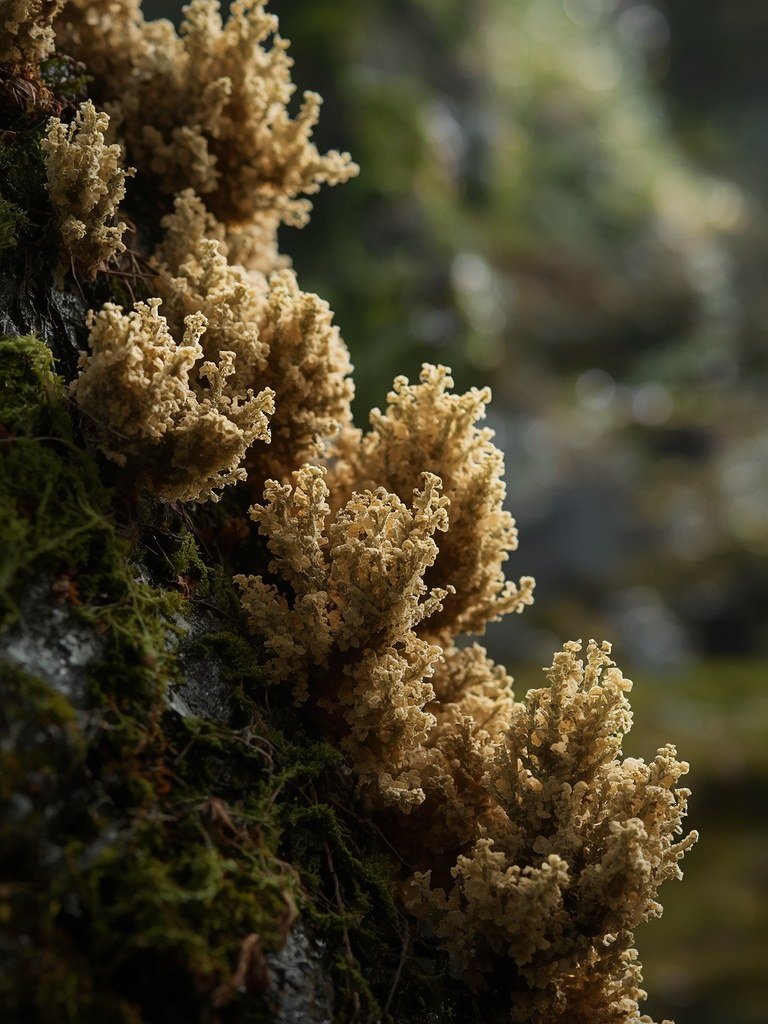
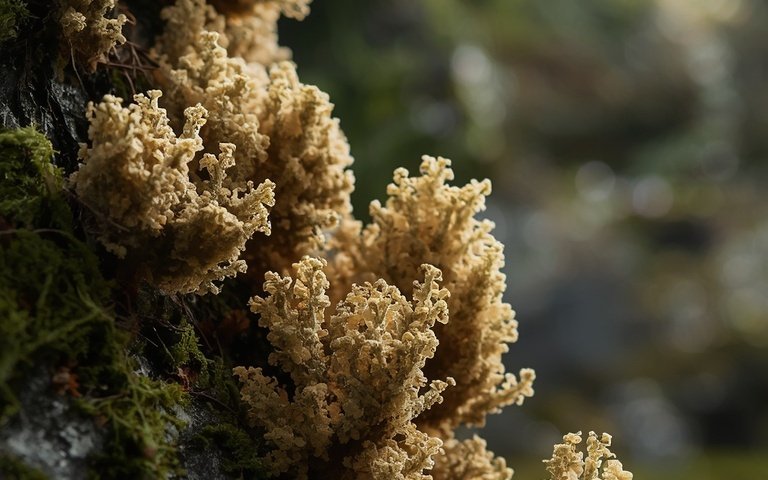
Table of Contents 4
Medical & Editorial Disclaimer (§3 Terms): This article is for informational and educational purposes only, does not constitute medical advice, diagnosis, or treatment, and is used at your own risk. Consult a qualified physician for medical conditions.
The soothing potential of the official botanical drug Lichen islandicus stems from its distinctive phytochemical matrix, which is richly composed of water-soluble mucilaginous polysaccharides—primarily lichenan and isolichenan—alongside characteristic lichen acids. When hydrated, these high-molecular-weight biopolymers swell to form a viscous, adhesive colloidal hydrogel across the mucosal surfaces of the oral cavity, pharynx, and larynx. By acting as a physical demulcent barrier, this protective layer shields exposed sensory receptors on the posterior pharyngeal wall from environmental irritants and dry air, helping to calm the dry cough reflex while supporting optimal tissue hydration.
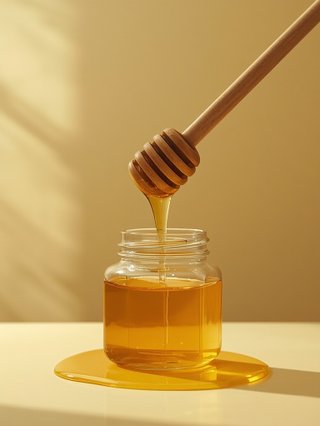
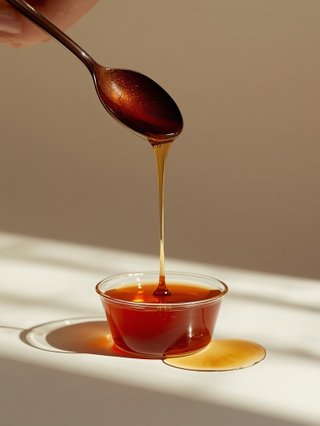
In daily wellness routines, standardized Iceland moss extracts are most conveniently utilized as liquid syrups or slow-dissolving lozenges and pastilles. Syrups provide immediate mechanical coating across the back of the throat, making them well suited for soothing acute, non-productive coughs and pharyngeal scratchiness. Conversely, lozenges allow a steady, prolonged release of mucilaginous compounds as they dissolve, offering targeted vocal care and continuous mucosal moisture for teachers, public speakers, singers, and individuals frequently exposed to heated or air-conditioned environments.
Iceland moss, botanically recognized as Cetraria islandica (L.) Ach. (family Parmeliaceae), represents one of the most distinguished botanical resources in European phytopharmacology. Biologically, it is neither a true bryophyte nor a higher plant, but an extraordinary symbiotic organism (lichen) formed through the mutualistic association of a fungal partner and a photosynthetic algal partner. Historically prized across Nordic traditional medicine for chronic pulmonary conditions and digestive ailments, contemporary evidence-based phytotherapy firmly establishes its therapeutic value. This comprehensive review examines the botanical and phytochemical profile of Iceland moss, focusing on its protective water-soluble polysaccharides and antibacterial lichen acids, alongside clinical indications for standardized syrups and lozenges in dry cough and mucosal inflammation.
Iceland Moss (*Cetraria islandica*) – Botanical and Morphological Profile
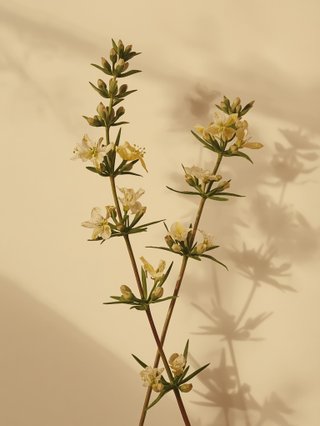
Iceland moss (Cetraria islandica) belongs taxonomically to the lichen family Parmeliaceae. As a thalloid organism devoid of true vascular structures, roots, or leaves, it develops a characteristic fruticose-foliose thallus (Lichen islandicus) reaching 4 to 12 cm in height. Under moist conditions, the thallus remains supple, leathery, and olive-green to chestnut brown, whereas in arid environments it turns brittle, cartilaginous, and silvery-grey. It represents a circumpolar pioneer species thriving in boreal and arctic tundra ecosystems, alpine heaths, and open pine woodlands across North America and Eurasia. Because lichens obtain atmospheric moisture and nutrients through non-selective surface absorption, Cetraria islandica is profoundly sensitive to air pollution (especially sulfur dioxide and heavy metals), serving as an established bioindicator of pristine ecological habitats.
Pharmacological Actions and Bioactive Phytochemical Matrix
The official pharmacopoeial drug (Lichen islandicus) exhibits a distinctive biochemical matrix dominated by high-molecular-weight water-soluble polysaccharides, constituting up to 50% to 70% of dry thallus biomass. The principal polysaccharides include lichenan (a linear beta-D-glucan soluble in hot water) and isolichenan (an alpha-D-glucan soluble in cold water). When hydrated, these mucilaginous biopolymers form an adhesive colloidal hydrogel over inflamed pharyngeal, laryngeal, and gastric mucosal surfaces, shielding tactile sensory receptors from dry friction and noxious stimuli while accelerating tissue re-epithelialization. The secondary metabolite fraction comprises bitter lichen acids (3–5%), notably usnic acid, protocetraric acid, fumaroprotocetraric acid, and protolichesterinic acid. These compounds exhibit proven bacteriostatic activity against Gram-positive pathogens (such as Streptococcus pneumoniae, Staphylococcus aureus, and Mycobacterium) and suppress Helicobacter pylori proliferation in vitro. Minerals including iodine, zinc, and selenium further reinforce mucosal defense.
Iceland Moss Syrup Formulations – Relief for Dry Cough and Pharyngeal Irritation
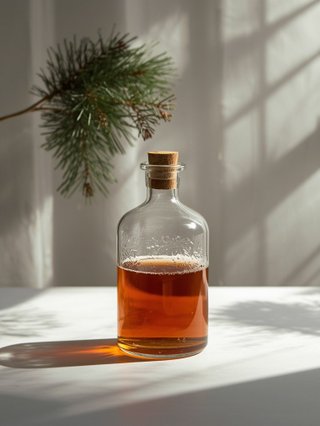
Standardized aqueous and hydroethanolic syrups formulated with concentrated Iceland moss extract rank among the premier evidence-based phytotherapeutics for non-productive, irritating dry cough (tussis sicca) and laryngopharyngitis. The therapeutic mechanism is primarily demulcent and mechanical: viscous mucilaginous polysaccharides deposit directly onto the posterior pharyngeal wall, forming an adherent protective layer that dampens the cough reflex triggered by airway dryness, vocal fatigue, and viral pathogens. Concurrently, the syrup hydrates inflamed tissues, relieving hoarseness, scratchiness, and throat tightness. A crucial clinical instruction for patients is to administer the syrup between meals and strictly avoid food or fluid intake for 20 to 30 minutes post-administration, ensuring prolonged mucosal retention of the protective hydrocolloid barrier.
Lozenges and Pastilles – Mucosal Barrier Protection and Vocal Care
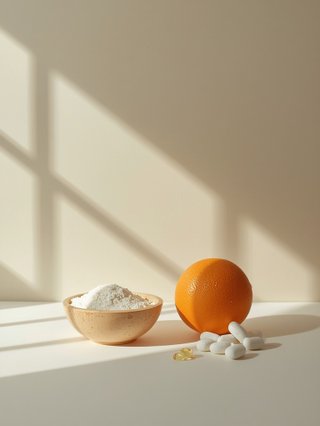
Lozenges, pastilles, and chewable tablets containing concentrated Iceland moss extract offer an exceptionally convenient and sustained therapeutic delivery mode. Slow oral dissolution allows continuous, uniform release of mucilaginous polysaccharides across the oral mucosa, posterior pharynx, and vocal folds. These formulations are clinically recommended for individuals with high professional vocal demands (teachers, public speakers, vocalists, call center operators) and populations exposed to low ambient humidity in air-conditioned or winter-heated environments. Commercial preparations frequently incorporate complementary actives such as marshmallow root (Althaea officinalis), sodium hyaluronate, zinc, and ascorbic acid to augment barrier hydration and tissue repair. Owing to an outstanding safety profile devoid of pharmacological drug interactions, Iceland moss pastilles are suitable for adults and children aged 4 and above, with sugar-free variants representing safe supportive choices during pregnancy when approved by a physician.
Want to apply these guidelines in your daily diet?
Our smart diet generator creates a tailored meal plan in 3 minutes based on the recommendations in this article.
Tags

Isabella Taylor
• 25.11.2026Diets Premium Expert
Diets Premium team expert. Specializes in nutrition plans, strength sports, and training plans.