Action and dosage of kudzu root. Contraindications and side effects
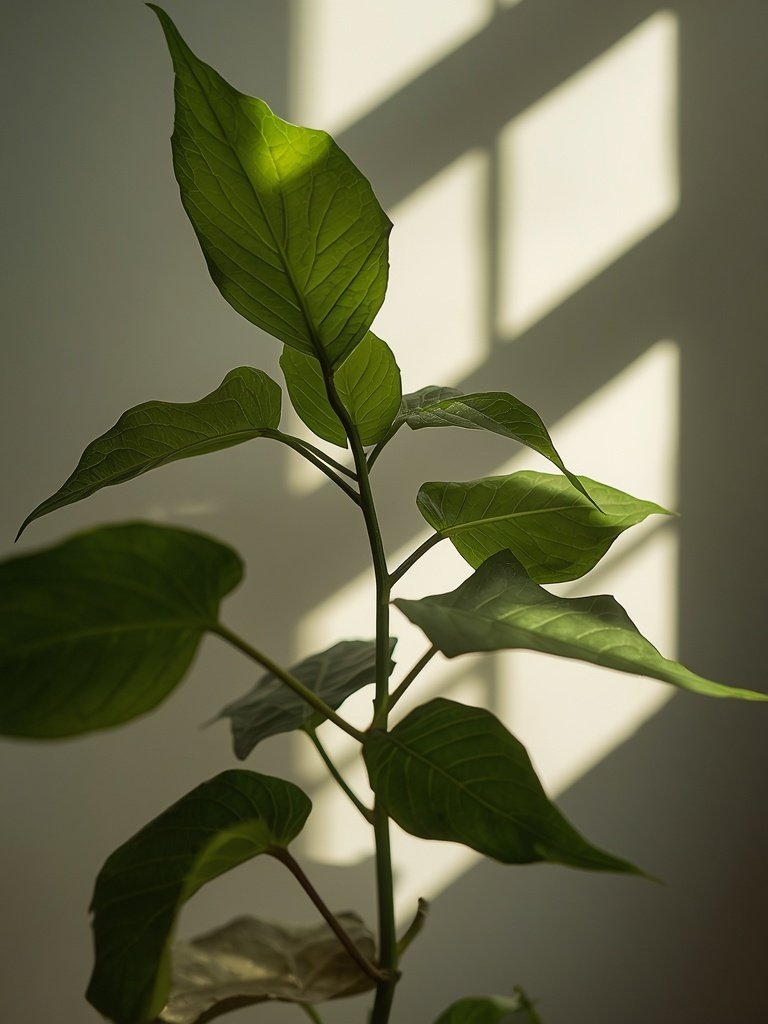
Table of Contents 5
Medical & Editorial Disclaimer (§3 Terms): This article is for informational and educational purposes only, does not constitute medical advice, diagnosis, or treatment, and is used at your own risk. Consult a qualified physician for medical conditions.
The physiological benefits of kudzu are largely attributed to its rich content of isoflavonoids, which exert notable antioxidant effects within the body. These compounds are known to assist in managing cholesterol levels, thereby promoting cardiovascular health and helping to mitigate risks associated with atherosclerosis. Furthermore, the plant is valued for its role in supporting liver function and providing relief from symptoms associated with menopause, making it a versatile tool in modern nutritional science.
Safety is paramount when incorporating kudzu into one's regimen, as it is strictly contraindicated for pregnant or breastfeeding women and those with hormone-sensitive conditions. Individuals taking anticoagulant medications must exercise extreme caution due to the risk of adverse interactions. It is highly recommended to consult with a healthcare professional before beginning supplementation to ensure it aligns with individual health needs. Whether used as a dietary supplement or as a starch-like culinary ingredient, consistency and moderation are the foundations of a safe and effective approach.
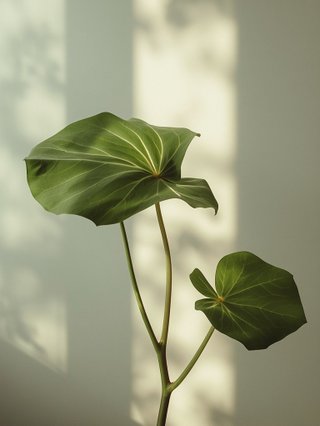
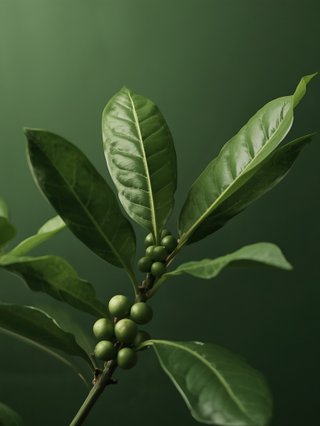
Pueraria montana var. lobata: A climbing leguminous plant with medicinal roots and leaves of Japanese origin
Kudzu: A Comprehensive Analysis of Its Health Properties and Therapeutic Applications in Modern Medicine
Kudzu: Recommended Dosage Forms and Supplementation Guidelines
Kudzu: Essential Precautions, Contraindicated Conditions, and Drug Interaction Warnings
Kudzu (Pueraria lobata): Adverse Reactions, Composition Considerations, and Evidence-Based Health Benefits
Want to apply these guidelines in your daily diet?
Our smart diet generator creates a tailored meal plan in 3 minutes based on the recommendations in this article.
Tags

Literatura: K. H. Wong, G. Q. Li, K. M. Li, V. Razmovski-Naumovski, K. Chan: „Kudzu root: Traditional uses and potential medicinal benefits in diabetes and cardiovascular diseases.”, Journal of Ethnopharmacology, Volume 134, Issue 3, 12 April 2011, Pages 584-607. T. Kamiya, M. Sameshima-Kamiya, R. Nagamine, M. Tsubata, M. Ikeguchi, K. Takagaki, T. Shimada, M. Aburada: „The Crude Extract from Puerariae Flower Exerts Antiobesity and Antifatty Liver Effects in High-Fat Diet-Induced Obese Mice.”, Evidence-Based Complementary and Alternative Medicine, Volume 2012 (2012), Article ID 272710, 6 pages. J. Niedworok: „Korzeń kudzu – nowe możliwości farmakoterapii choroby alkoholowej.”, Lek w Polsce, 1999r. J. Pietkiewicz: „Bioaktywne izoflawonoidy: daidzeina, daidzyna i pueraryna z ołownika łatkowatego (pueraria lobata, kudzu).”, Katedra i Zakład Biochemii Lekarskiej, Akademia Medyczna we Wrocławiu. G. Zheng, X. Zhang, Q. Meng, W. Gong, X. Wen, H. Xie: ” Protective effect of total isoflavones from Pueraria lobata on secondary osteoporosis induced by dexamethasone in rats.”, Zhong Yao Cai. 2002 Sep;25(9):643-6. S. Carlson, N. Peng, J. K. Prasain, J. M. Wyss: „The effects of botanical dietary supplements on cardiovascular, cognitive and metabolic function in males and females.”, Gend Med. 2008 ; 5(Suppl A): S76–S90. doi:10.1016/j.genm.2008.03.008. L. Hae-Woong, C. Min-Kyung, B. Eun-Ah, K. Dong-Hyun: „β-Glucuronidase inhibitor tectorigenin isolated from the flower of Pueraria thunbergiana protects carbon tetrachloride-induced liver injury.”, Liver International, 30 July 2003. B. Yana, D. Wang, D. M. Xing, R. Wang, F. Lei, L. J. Du: „The antidepressant effect of ethanol extract of radix puerariae in mice exposed to cerebral ischemia reperfusion.”, Pharmacology Biochemistry and Behavior, Volume 78, Issue 2, June 2004, Pages 319-325.
Diets Premium Expert
Diets Premium team expert. Specializes in nutrition plans, strength sports, and training plans.