Copper: biological role, intake norms, and natural sources in the human diet


Table of Contents 5
Medical & Editorial Disclaimer (§3 Terms): This article is for informational and educational purposes only, does not constitute medical advice, diagnosis, or treatment, and is used at your own risk. Consult a qualified physician for medical conditions.
At the physiological level, copper acts as a critical cofactor for enzymes involved in oxygen metabolism and the neutralization of free radicals. It is instrumental in activating iron stores, which is essential for the production of red blood cells. Furthermore, it contributes to the formation of cross-links in collagen, which is necessary for tissue elasticity and strength. While deficiencies can lead to connective tissue changes or anemia, an excess of this mineral, though rare, may cause damage to vital organs such as the liver and brain.
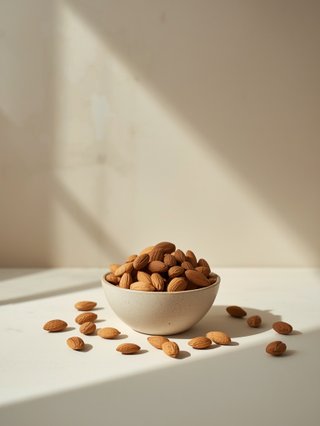
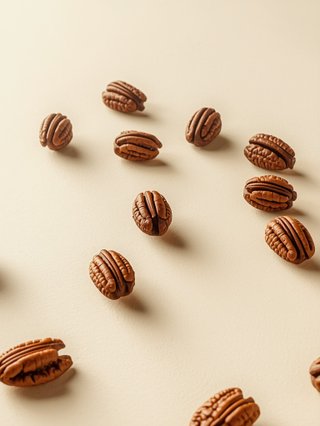
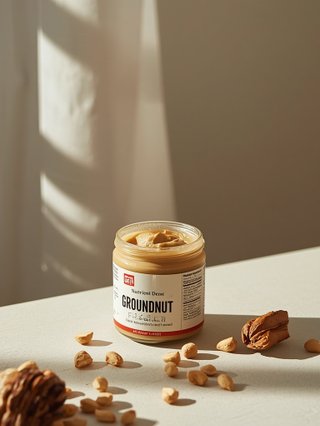
To maintain optimal levels, it is beneficial to incorporate a variety of copper-rich foods into your daily diet. Excellent natural sources include organ meats, wheat kernels, oatmeal, nuts, cocoa, sunflower seeds, and green leafy vegetables, as well as certain types of seafood. A diverse and nutrient-dense diet is the most effective approach to meeting your body's requirements naturally. As with all nutritional matters, it is recommended to consult with a healthcare professional to address individual health needs and ensure a safe, balanced approach to wellness.
Copper is acting
Copper is the demand
Copper fountain
There's an excess of copper
There's a shortage of copper
Want to apply these guidelines in your daily diet?
Our smart diet generator creates a tailored meal plan in 3 minutes based on the recommendations in this article.

mgr Literatura: DIETETYKA. Żywienie zdrowego i chorego człowieka. Ciborowska H., Rudnicka A. PZWL 2014 Normy żywienia dla populacji polskiej – Nowelizacja 2012; Jarosz M.
Diets Premium Expert
Diets Premium team expert. Specializes in nutrition plans, strength sports, and training plans.