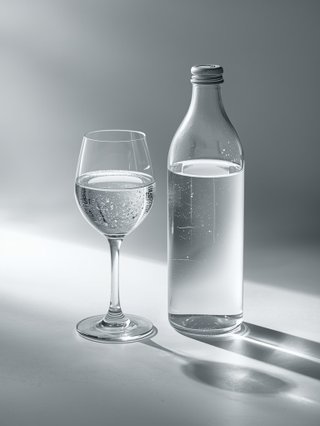
Is hard water healthy for us at all - the answer to that question.
Table of Contents 3
Medical & Editorial Disclaimer (§3 Terms): This article is for informational and educational purposes only, does not constitute medical advice, diagnosis, or treatment, and is used at your own risk. Consult a qualified physician for medical conditions.
The physiological efficacy of water is deeply tied to its mineral composition and electrolyte content. Pure water devoid of mineral constituents fails to hydrate the body effectively and may even contribute to fluid loss. Electrolytes such as magnesium, calcium, and sodium facilitate proper absorption and retention within tissues. Water hardness itself arises from dissolved calcium and magnesium ions existing in various chemical combinations, categorized into carbonate and non-carbonate forms that shape the overall character of the beverage.
Incorporating mineral-rich water into daily routines helps support essential physiological functions and contributes to maintaining a balanced electrolyte status. Experts emphasize that highly mineralized options provide valuable trace elements beneficial for bodily performance. Consumers are encouraged to look beyond basic purified options and select waters that naturally supply vital minerals to support optimal daily hydration and vitality.
What defines hard water and what are its distinct classifications?
Does water genuinely provide health benefits? An examination of mineral composition and its physiological impact
What characteristics should the water we drink daily possess to support our health?
Want to apply these guidelines in your daily diet?
Our smart diet generator creates a tailored meal plan in 3 minutes based on the recommendations in this article.

Mia Hoffmann
• 24.09.2026Diets Premium Expert
Diets Premium team expert. Specializes in nutrition plans, strength sports, and training plans.