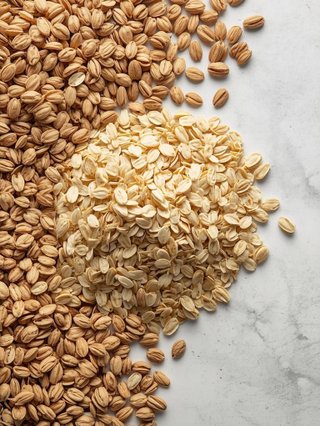
Bulgur wheat - discovering its characteristics and values


Table of Contents 3
Medical & Editorial Disclaimer (§3 Terms): This article is for informational and educational purposes only, does not constitute medical advice, diagnosis, or treatment, and is used at your own risk. Consult a qualified physician for medical conditions.
From a nutritional perspective, bulgur offers a well-balanced profile characterized by notable protein and dietary fiber content paired with minimal fat. Because durum-derived bulgur exhibits a low glycemic index, it supports a gradual glycemic response and can be thoughtfully incorporated into the dietary regimens of individuals managing blood sugar levels, including those with diabetes. Furthermore, its rich fiber composition contributes positively to metabolic efficiency and supports the smooth functioning of the digestive tract.
In daily culinary practice, bulgur is available in fine-grained, medium-grained, and coarse-grained varieties, with the grain size dictating the optimal preparation technique. Coarse-grained bulgur requires brief simmering in lightly salted boiling water, whereas fine-grained bulgur simply needs to be steeped in boiling water or warm milk until the liquid is fully absorbed by the grains. This straightforward preparation allows home cooks to easily introduce bulgur into a balanced diet as a versatile base for salads, side dishes, and nourishing main courses.
What exactly is bulgur?
The qualities of bulgur cereal
Preparation of bulgur dishes
Want to apply these guidelines in your daily diet?
Our smart diet generator creates a tailored meal plan in 3 minutes based on the recommendations in this article.

Lena Bauer
• 19.03.2026Diets Premium Expert
Diets Premium team expert. Specializes in nutrition plans, strength sports, and training plans.