Is it truly a spinach stone? What to avoid, how to prepare meals?

1 photo
862
Smart Voice
AI
0:00
0:00
Listen to the article content live
Table of Contents 5
Renal calculi are a very serious affliction that can reoccur. Unfortunately, a segment of society possesses genetic predispositions to specific forms of this malady. However, we do not have to stand by helplessly, as a properly planned diet can be an effective method of combat.
01 / 05
Varieties of kidney stones
There are several varieties of kidney stones: calcium, cystine, struvite, uric acid, and oxalate. However, most commonly, there is a stone in which mixed stones are formed - calcium-oxalate, and the rarest - cystine. To understand how to prevent kidney stones or assist in their treatment, let's take a look at how the formation of deposits occurs.
02 / 05
How do stones develop in the urinary system?
In the book 'Basics of human pathology' we can read about the existence of several theories that explain how stones form in the urinary system. The first of these states that excessive saturation of urine with certain chemical compounds can lead to crystallization and the formation of stones. The risk of crystallization increases as the urine becomes more concentrated. A significant loss of water from the body (e.g. through sweating, diarrhea or inadequate hydration) can lead to its concentration. However, the human body is equipped with natural mechanisms that counteract crystallization, such as inhibitors. These include, for example, magnesium ions, citrates and other compounds that inhibit stone formation. A deficiency of these compounds can also lead to an increased risk of kidney stones. Another theory suggests that protein components can become potential crystallization cores around which deposits form. Such a protein component may be, for example, a damaged mucous membrane of the urinary tract, which may be due to an infection of the urinary system.
03 / 05
Risk factors for the formation of oxalate stones
Oxalate stones are diseases in which oxalate deposits are formed, which are rich in oxalates. These can be produced in the body from amino acids or absorbed excessively from the digestive tract. They most commonly occur in cases of inflammatory bowel conditions, poor absorption syndrome, excess vitamin C intake, vitamin B1 deficiency. The major risk factor is too low liquid intake. Surprisingly, low calcium intake can also increase the likelihood of calcium richness. The lower the amount of calcium (which binds oxalates) in the digestive tract, the more pronounced is the absorption of oxalates and their subsequent excretion in the urine. An oxalate-rich diet can be a risk factor for kidney stones in the case of simultaneous calcium deficiency in the diet. Bacteria of the Oxalobacter formigenes type in the digestive tract are responsible for the breakdown of oxalates. Their insufficient amount in the intestines, caused for example by antibiotic therapy, can increase the risk of the formation of oxalate stones. Moreover, high doses of vitamin C taken from dietary supplements increase the concentration of oxalates in the urine. Foods rich in vitamin C, unlike pharmaceutical products, usually contain citrates, which are crystal inhibitors. It has been observed that the intake of vitamin C over several days in various doses in healthy individuals (from several hundred milligrams to 10 g) increased the oxalate level in the urine. Auer B. L., Auer D., Rodgers A. L. showed in a study that taking 4 g of ascorbic acid over 5 days increased the oxalate level in the daily urine collection container from 17.5 mg to 19.4 mg. As the physiological oxalate level in the urine is relatively low, even small fluctuations in this range can be significant for individuals diagnosed with oxalate stones. How can one contribute to reducing the risk of forming oxalate stones through dietary changes?
04 / 05
Healthful Diet for the Prevention of Oxalate Stones
Unfortunately, kidney stones can recur. Individuals who have genetically determined higher absorption of oxalates in the gut, and those diagnosed with kidney stones, should pay attention to a healthful diet. In the study Kocvara R. P. et al. it was found that in the group of people who adhered to a diet tailored to their condition, 13% of participants experienced relapses over the next 3 years compared to 42% of participants in the control group (who did not adhere to the recommended diet).
05 / 05
Here are some practical recommendations for nutrition in the treatment of oxalate stone disease
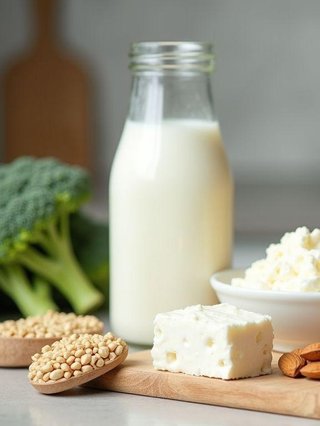
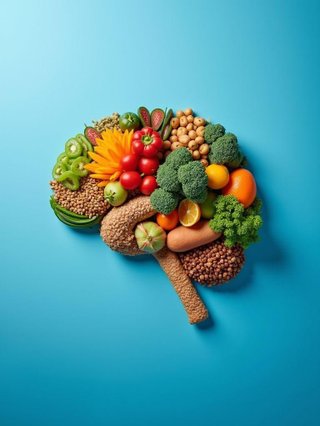
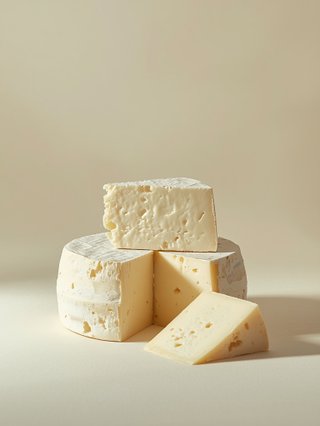
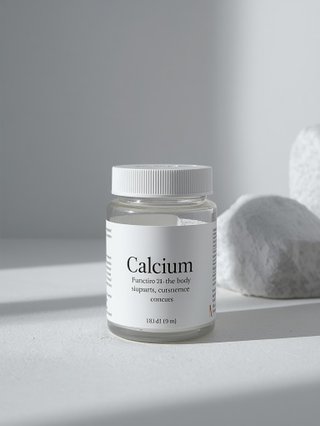
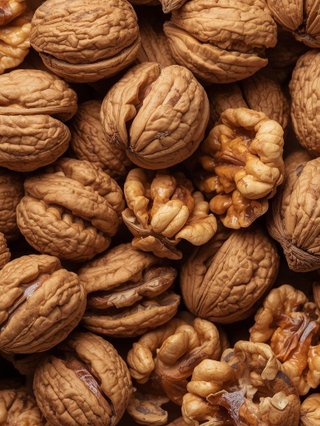
1) Avoid high doses of vitamin C taken as dietary supplements. 2) Eat foods rich in calcium and magnesium. However, the daily requirement for dietary ascorbic acid in an adult is about 90 mg. This amount (usually even higher) delivers a well-balanced diet. But if you choose this form of ascorbic acid intake, it is best not to exceed 250 mg. 2) Drink products rich in magnesium and calcium. 3) Avoid sugary drinks. Glucose and fructose can increase oxalate levels in urine. According to a study by A. Rodgers, drinking 2 liters of cola significantly increased oxalate levels in the urine. 4) Avoid 10 products with the highest oxalate content: spinach, beets, nuts, chocolate, legumes, tea, parsley, berries, rhubarb, sorrel. Other products containing oxalates, but in smaller quantities, should be consumed with calcium-rich products. The recommended daily calcium intake is at least 1000 mg. However, legumes and nuts are valuable components of the diet, so they should be introduced in moderate amounts (e.g. 2-3 times a week) in the prevention phase (when there are no stones). Among nuts, pistachios, macadamia nuts, and walnuts contain the least amount of oxalates. Among legumes, green peas, red beans, and lentils are the safest choice. Table 1. Calcium content in selected products Dairy products should be included in a well-balanced diet 3 times a day. The most important rule in the prevention of kidney stones is the correct calcium intake. It is also important not to forget about adequate hydration. 1.5 liters per day is the minimum requirement. "Beer is good for the kidneys" - this is often heard. However, beer increases urine output and can theoretically have positive effects, but consuming 1 beer will not significantly improve the health condition, and including this drink as a permanent element of the diet can lead to alcoholism or fatty liver faster than effectively preventing kidney stones.
Meal Plan
Want to apply these guidelines in your daily diet?
Our smart diet generator creates a tailored meal plan in 3 minutes based on the recommendations in this article.

Scientifically reviewed by a clinical dietitian
• 23.03.2026
Duława J., Czynniki rozwoju kamicy nerkowej, „Forum Nefrologiczne” 2009, 2(3), 184–188. Massey L.K., Dietary influences on urinary oxylate and risk of kidney stones, „Frontiers in Bioscience” 2003, 8, 584–594. Kocvara R.P. et al., A prospective study of nonmedical prophylaxis after a first kidney stone, „British Journal of Urology” 1999, 184(4), 393–339. Auer B.L., Auer D., Rodgers A.L., The effect of ascorbic acid ingestion on the biochemical and physicochemical risk factors associated with calcium oxalate kidney stone formation, „Clinical Chemistry and Laboratory Medicine” 1998, 36(3), 143–147. Rodgers A., Effect of cola consumption on urinary biochemical and physicochemical risk factors associated with calcium oxalate urolithiasis, „Urological Research” 1999, 27(1), 77–81. Han H. et al., Nutrition management of kidney stones (nephrolithiasis), „Clinical Nutrition Research” 2015, 4, 137–152.
Diets Premium Expert
Diets Premium team expert. Specializes in nutrition plans, strength sports, and training plans.
USDA FoodData Central
EFSA
PubMed Clinical Guidelines