
The importance of harmless plant ingredients in human nutrition – why should we eat them?
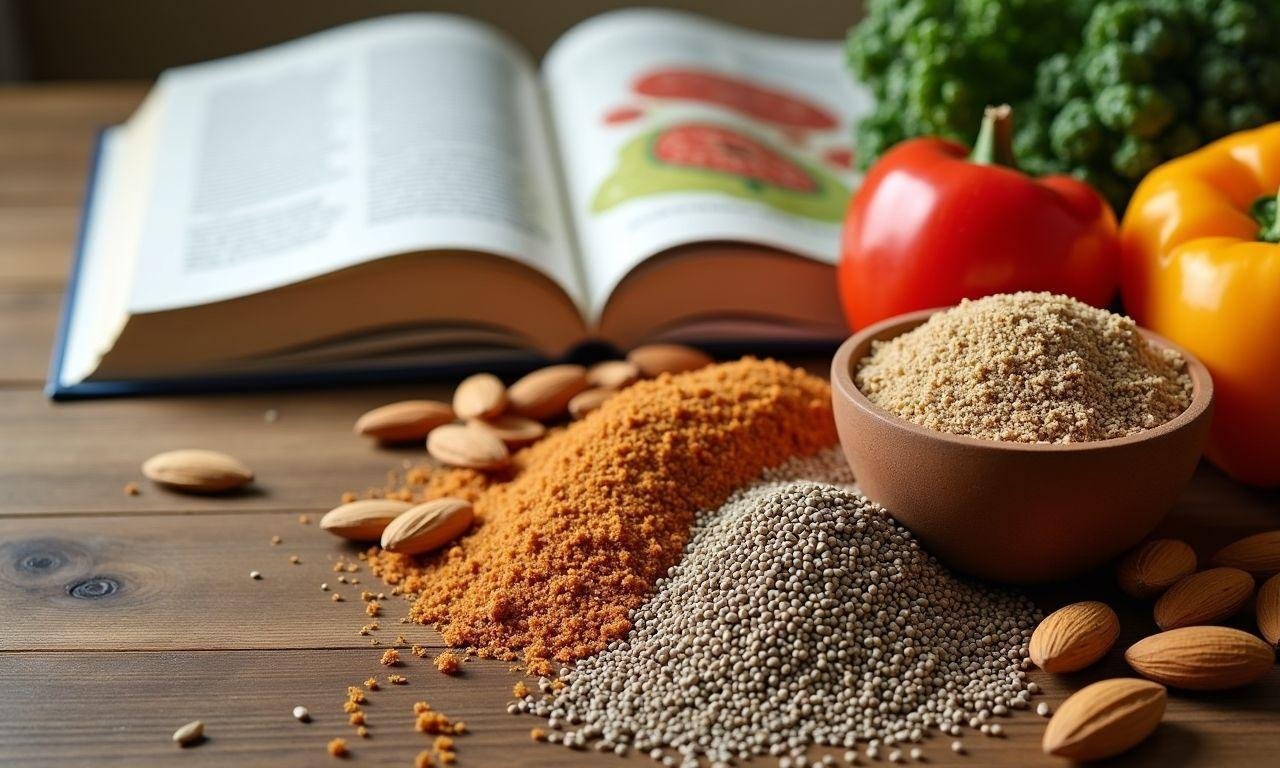

Table of Contents 5
Medical & Editorial Disclaimer (§3 Terms): This article is for informational and educational purposes only, does not constitute medical advice, diagnosis, or treatment, and is used at your own risk. Consult a qualified physician for medical conditions.
The article explores the sophisticated mechanisms through which different types of fiber interact with the body. Insoluble components provide the necessary bulk to stimulate intestinal movement and cleanse the digestive tract, while soluble fibers transform into a viscous gel that moderates the absorption of glucose and binds to bile acids. This dual action helps in stabilizing blood sugar levels and managing cholesterol, while also providing a substrate for beneficial gut bacteria, which strengthens the immune system and intestinal integrity.
Practical application of these insights involves choosing whole plant foods to foster a lasting sense of fullness and prevent overeating. Incorporating these components into daily meals supports regular bowel movements and serves as a proactive measure against common issues like constipation and weight gain. By embracing a diet rich in these natural fibers, one can support cardiovascular health and metabolic stability, leading to improved vitality and long-term wellness.
This article is professional premium content (PRO) provided in its entirety.
Dietary fiber, also known as roughage, is the indigestible plant component that plays a crucial role in maintaining health. Although it does not provide energy or nutrients, its presence in the diet is essential for the proper functioning of the digestive system and overall well-being. Regular fiber intake supports digestive processes, improves intestinal peristalsis, and prevents constipation.
Categories of indigestible dietary components
Indigestible dietary components are divided into two principal categories:
- Insoluble components: These include substances such as cellulose and lignin. They do not dissolve in water but absorb it, leading to an increase in stool volume and accelerating the movement of food through the intestines. They serve as a kind of „brush,“ cleaning the intestines of food remnants and toxins.
- Soluble components: These include pectins, gums, and plant mucilages. They dissolve in water, forming a gel-like substance that delays gastric emptying and contributes to a feeling of fullness. They also aid in maintaining a stable blood glucose and cholesterol level.
Duties Executed by Dietary Fiber in the Body
Dietary fiber carries out a number of critical tasks:
- Regulation of bowel function: It increases stool volume and speeds up its passage through the intestines, preventing constipation.
- Blood glucose control: It slows down glucose absorption, helping maintain stable blood sugar levels, which is especially important for people with diabetes.
- Cholesterol reduction: Soluble fiber binds to bile acids in the intestines, leading to lower blood cholesterol levels.
- Support for weight reduction: Due to its ability to absorb water and swell, fiber increases the feeling of fullness, which can help control appetite and reduce body weight.
- Detoxification: It helps eliminate toxins and metabolic waste products from the body.
Conditions Counteracted by a Fiber-Rich Diet
Regular consumption of fiber can aid in preventing numerous unwanted symptoms such as:
- Constipation: Fiber increases stool bulk and expedites its passage through the intestines, helping to prevent constipation.
- Heart disease: Fiber contributes to lowering cholesterol levels, thus assisting in the prevention of atherosclerosis and cardiovascular diseases.
- Type 2 diabetes: Fiber facilitates blood glucose level stability, thereby aiding in the prevention of diabetes.
- Obesity: Fiber enhances feelings of fullness, thus assisting in maintaining body weight control.
To ensure your body receives an adequate supply of fiber, it is recommended to consume whole grain products, seeds, nuts, as well as fresh vegetables and fruits. Particularly rich sources of fiber include chia seeds, wheat bran, flaxseeds, almonds, and chickpeas.
Which Ailments Can Be Evaded by High Fiber Intake in Diet?
A diet high in fiber aids in preventing various diseases, including:
- Constipation: Fiber regulates digestive function and facilitates bowel movement.
- Heart disease: It decreases LDL cholesterol levels, promoting cardiovascular health.
- Type 2 diabetes: It slows down sugar absorption, maintaining stable blood glucose levels.
- Obesity: It increases satiety, aiding in weight management.
- Colon cancer: It cleanses the body of toxins, promoting a healthy gut microbiome.
Filling Substances and Weight Reduction – Do They Assist in Weight Loss?
Indeed, foods rich in filling substances decelerate digestion and the absorption of sugars, resulting in diminished sensations of hunger.
This simplifies the regulation of meal calorie intake and the avoidance of binge eating.
Additionally, foods abundant in filling substances are generally low in calories, promoting weight loss.
Want to apply these guidelines in your daily diet?
Our smart diet generator creates a tailored meal plan in 3 minutes based on the recommendations in this article.

mgr David Janitzek
• 19.11.2026Diets Premium Expert
Diets Premium team expert. Specializes in nutrition plans, strength sports, and training plans.
















































