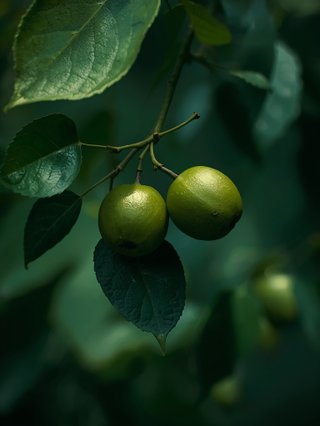
Yangmei – Chinese raspberry shrub (red waxberry). Properties, cultivation, and nutritional values


Table of Contents 4
Medical & Editorial Disclaimer (§3 Terms): This article is for informational and educational purposes only, does not constitute medical advice, diagnosis, or treatment, and is used at your own risk. Consult a qualified physician for medical conditions.
The article delves into the rich phytochemical profile of the fruit, highlighting its exceptional concentration of antioxidant compounds and bioactive flavonoids. These naturally occurring elements help neutralize reactive molecules in the body, supporting overall cellular health and physiological balance. Traditional practices have long utilized the fruit to stimulate digestion and soothe gastrointestinal discomfort, while contemporary insights further validate its role in promoting general vitality through a balanced diet.
Practical guidance throughout the text equips readers with essential knowledge regarding the delicate nature of fresh bayberries and the strict cold-chain requirements needed to preserve them. Because the fresh fruit spoils rapidly at room temperature, learning proper gentle rinsing techniques in mildly salted water ensures optimal hygiene and enjoyment. Whether consumed fresh, juiced, or incorporated into culinary creations, understanding these best practices helps maximize the wholesome benefits of this unique fruit.
Yangmei (Myrica rubra), also commonly known as the Chinese bayberry, yumberry, or red bayberry, is a prized subtropical fruit with thousands of years of historical cultivation in East Asia. Distinguished by its vibrant crimson hue, granular exterior, and remarkably juicy, sweet-tart pulp, Yangmei represents a unique botanical treasure. This comprehensive article delves into the phytochemical profile of Yangmei, exploring its potent antioxidant properties, traditional and modern culinary applications, and the physiological benefits of its bioactive compounds.
Botany and Geographic Origins of Yangmei (Myrica rubra)
Yangmei belongs to the Myricaceae family and is an evergreen subtropical tree native to south-eastern China, particularly flourishing in the provinces of Zhejiang, Fujian, and Guangdong. Reaching heights between 10 and 20 meters, it thrives in well-drained acidic soils on temperate hillsides. The fruit matures during early summer, presenting as a spherical drupe 1.5 to 2.5 centimeters in diameter. Its surface is characterized by dense papillose outgrowths, encapsulating a single hard pit within its succulent, aromatic flesh.
Phytochemical Profile and Antioxidant Properties
The deep crimson pigmentation of Yangmei is directly attributable to its extraordinary concentration of anthocyanins, dominated by cyanidin-3-glucoside (C3G). This potent bioactive flavonoid scavenges reactive oxygen species (ROS), blunts lipid peroxidation, and protects vascular endothelial cells. Additionally, the fruit provides substantial amounts of ascorbic acid (vitamin C), flavonols (notably myricetin and quercetin), and ellagitannins, establishing a powerful anti-inflammatory and cardioprotective nutritional matrix.
Culinary Uses, Traditional Medicine, and Processing
In Traditional Chinese Medicine, Yangmei has been utilized for millennia to invigorate digestion, stimulate sluggish appetite, and alleviate gastrointestinal distress. While intensely refreshing when eaten fresh, the fruit's fragility has popularized various processing methods: extraction into polyphenol-rich functional juices, canning in light syrup, freeze-drying, and fermentation into aromatic fruit wines. Its complex sweet-acidic balance also makes it a prized ingredient in modern gastronomy and dessert confectionery.
Hygiene Protocols, Storage Realities, and Consumer Guidance
Lacking an impervious outer peel, fresh Yangmei is acutely susceptible to bruising and microbial deterioration, typically maintaining peak quality for merely 24 to 48 hours at room temperature. Cold-chain storage at 0–2°C is indispensable. Before consuming fresh fruit, it is standard practice to submerge the berries in lightly salted cold water for 15 minutes; this gentle brine naturally displaces tiny harmless insects residing within the crevices, followed by a thorough rinse under potable water.
Want to apply these guidelines in your daily diet?
Our smart diet generator creates a tailored meal plan in 3 minutes based on the recommendations in this article.
Tags

Wojciech Wiśniewski
• 25.11.2026Diets Premium Expert
Diets Premium team expert. Specializes in nutrition plans, strength sports, and training plans.